Bryson DeChambeau sits atop a leaderboard he probably doesn't know exists. The Handicap Tracker, a site that calculates on-camera handicaps from YouTube golf videos, has DeChambeau at +9.9, followed by Jason Day at +8.7 and a cast of names most Golf Digest readers couldn't pick out of a lineup. That's the point.
Why Did Erik Anders Lang Jump in the Power Rankings?
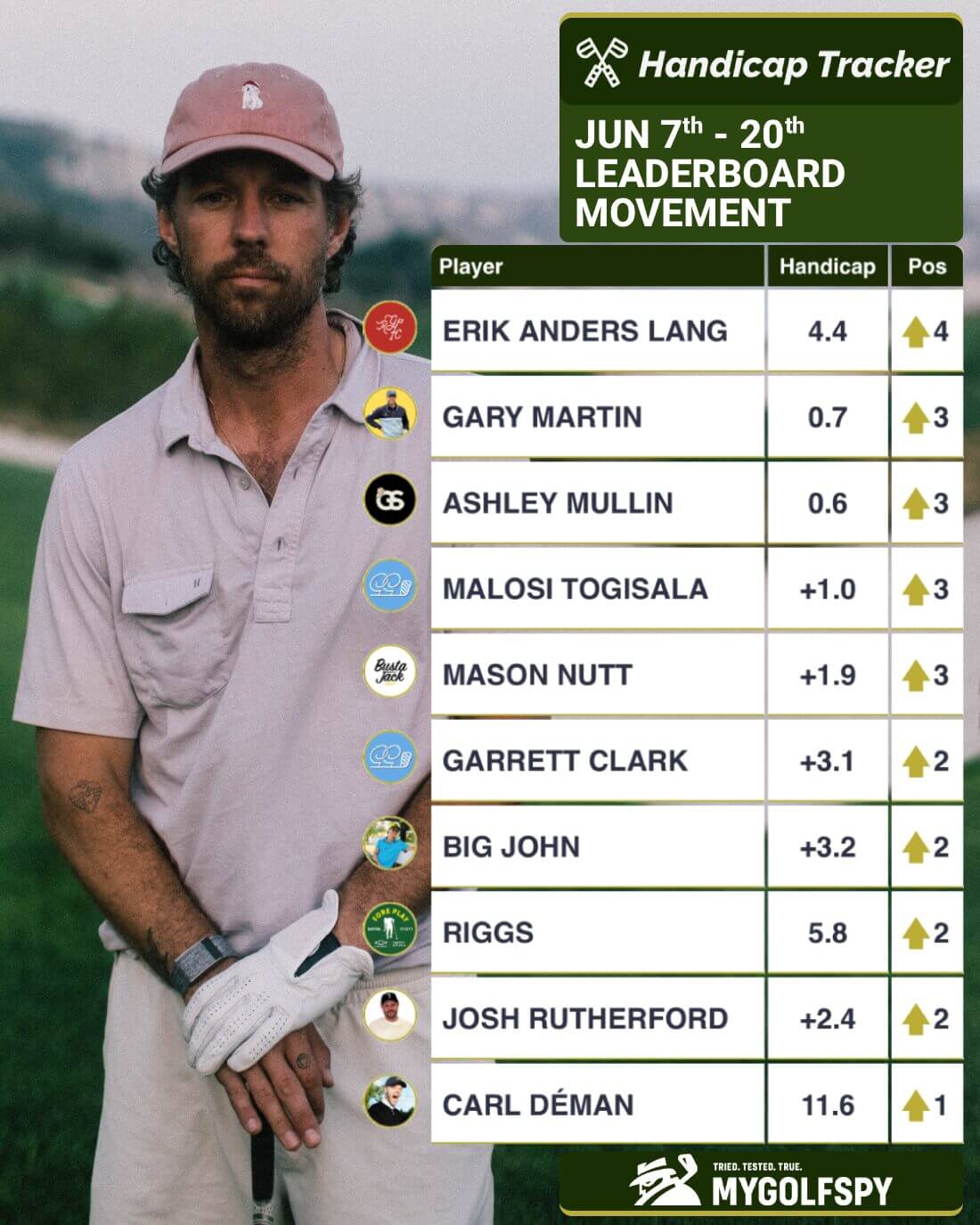
The latest Power Rankings update, surfaced through MyGolfSpy, captures something the broader golf media has been slow to acknowledge: creator golf now has its own competitive ecosystem, its own statistical infrastructure, and its own emerging stars. Erik Anders Lang, representing Random Golf Club, posted an adjusted 1.8 differential at Shinnecock under U.S. Open setup conditions, which produced the single biggest handicap cut of the period. He moved up four spots. Nobody on the PGA Tour broadcast mentioned it.
Which brings us to Random Golf Club's current situation. The brand sits at #79 in the DORMIED Index this month, down 18.2% from April. That's a sharp move for a brand whose entire premise is built on Lang's personality and the travel-and-play format he helped invent before half the current YouTube field had a camera. The drop suggests RGC is being lapped by newer entrants in a category it pioneered, which is a familiar story in golf-adjacent media. Skratch did it first. No Laying Up did it bigger. Bob Does Sports did it louder. Random Golf Club did it earlier than all of them, and the math of being early is that you spend the next decade defending the territory.
Which Creator Golf Brands Compete With Random Golf Club?
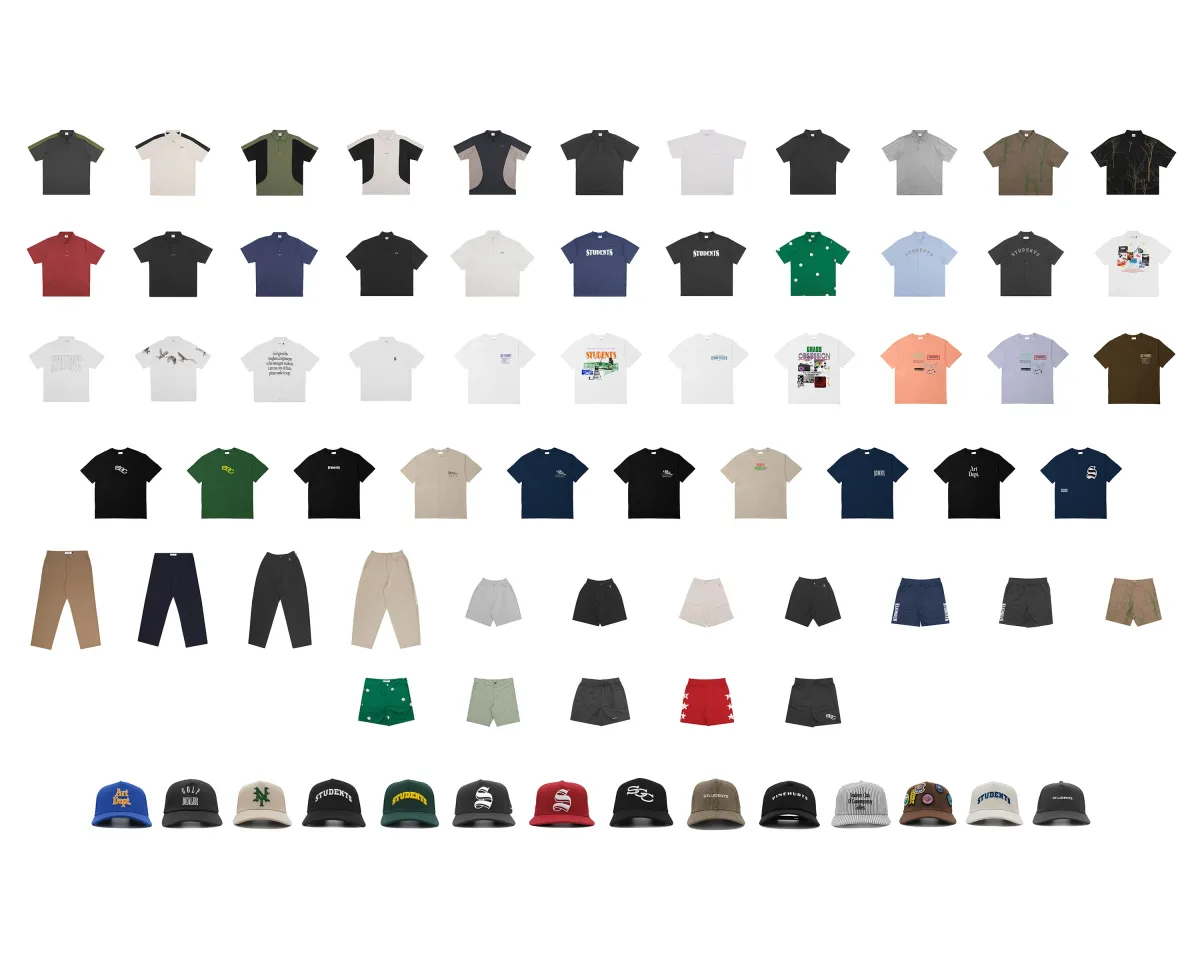
Lang's Shinnecock performance is the kind of content that should move the needle. Playing a 5.8 handicap against a U.S. Open setup at one of the hardest courses in America and walking off with a 77 is genuinely impressive, the sort of thing that travels well in clips and earns goodwill in the comments. It's also a reminder of what Random Golf Club's apparel and accessories business actually sells: not technical performance gear, but the aesthetic of a guy who plays real golf at real places and dresses like he respects the room. That positioning has competition now. Eastside Golf, Malbon, Manors, Metalwood, and a dozen smaller players have all built brands on some version of the same idea, with sharper merchandising and tighter drop calendars.
The Handicap Tracker itself is the more interesting industry signal here. A third-party site is now ranking creators by a quantifiable metric, and that metric is being aggregated by mainstream golf media. That's the infrastructure of a legitimate sport forming in real time. Sponsors will follow the leaderboard. Apparel deals will follow the sponsors. The creators near the top of that list, names like Brad Dalke, Nick Voke, Garrett Clark, Mason Nutt, will start commanding the kind of brand partnerships that used to flow exclusively through IMG. Some of them already are.
Can Random Golf Club's Brand Business Catch Up?
Random Golf Club's path forward is the question every first-generation golf media brand is currently answering, with varying degrees of success. Lang remains one of the most likeable on-camera personalities in the category, and his Shinnecock round proves he can still create the moment. The brand business underneath him needs the same kind of update the content has gotten. Watch whether RGC leans further into apparel collaborations or quietly becomes a media property with a merch table. The trajectory of the next two quarters will tell you which one they've chosen.