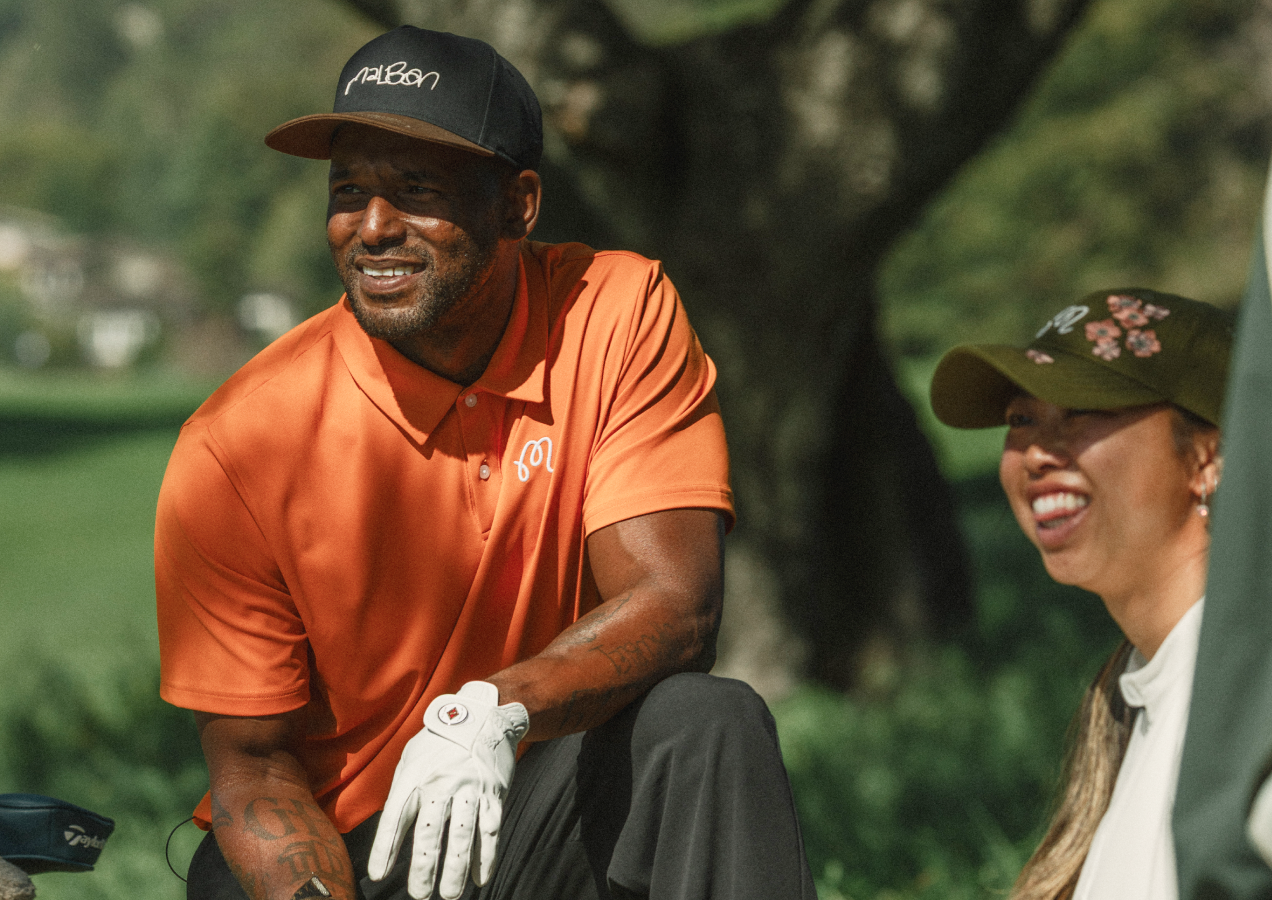
Malbon is popular because it solved a problem that golf apparel had been ignoring for thirty years. The problem was simple. The customer who wanted to play golf no longer dressed like the customer golf apparel was designed for. By 2017, the average golfer was younger, more style-conscious, and exposed to streetwear, hip-hop, and skate culture in a way that the traditional golf brands had never accounted for. Stephen and Erica Malbon launched their brand in Los Angeles that year with the explicit goal of making clothing that golfers under 40 actually wanted to wear. Eight years later, they have arguably the most culturally influential golf brand of the decade.
The popularity comes from a handful of overlapping decisions, all of which compound.
Why Do Malbon Golf Collabs Reach Non-Golf Audiences?
The Collab Strategy
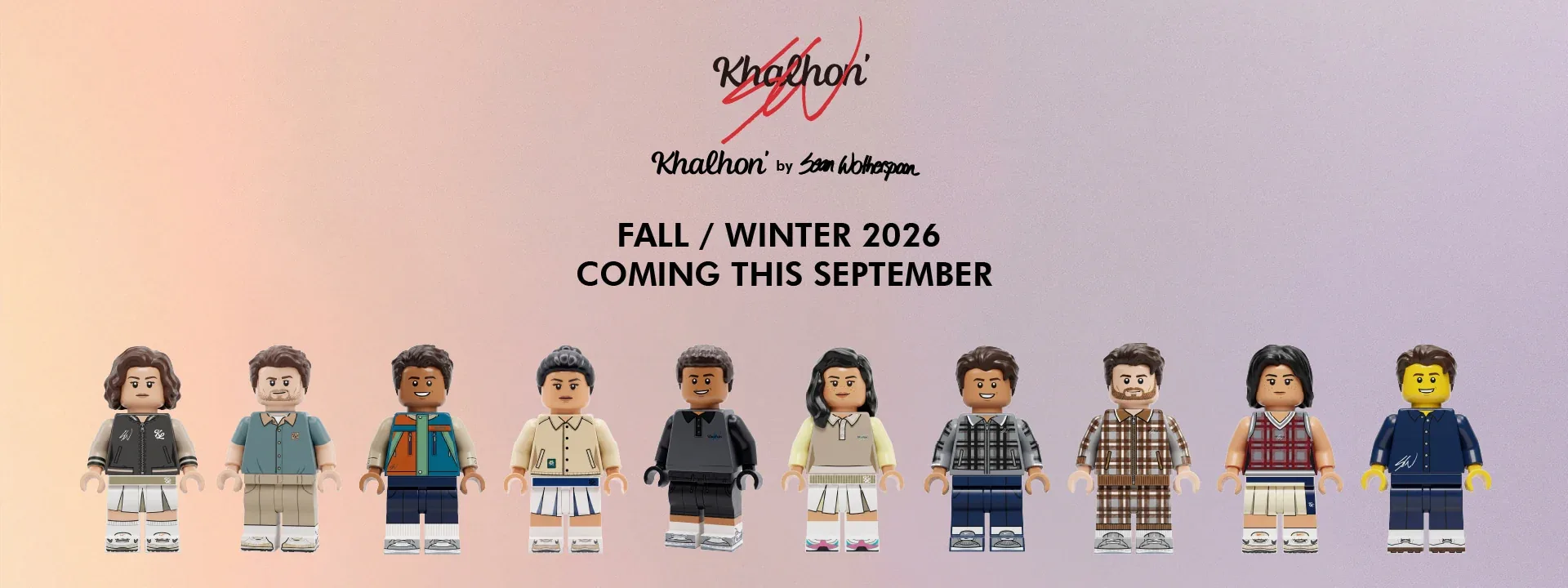
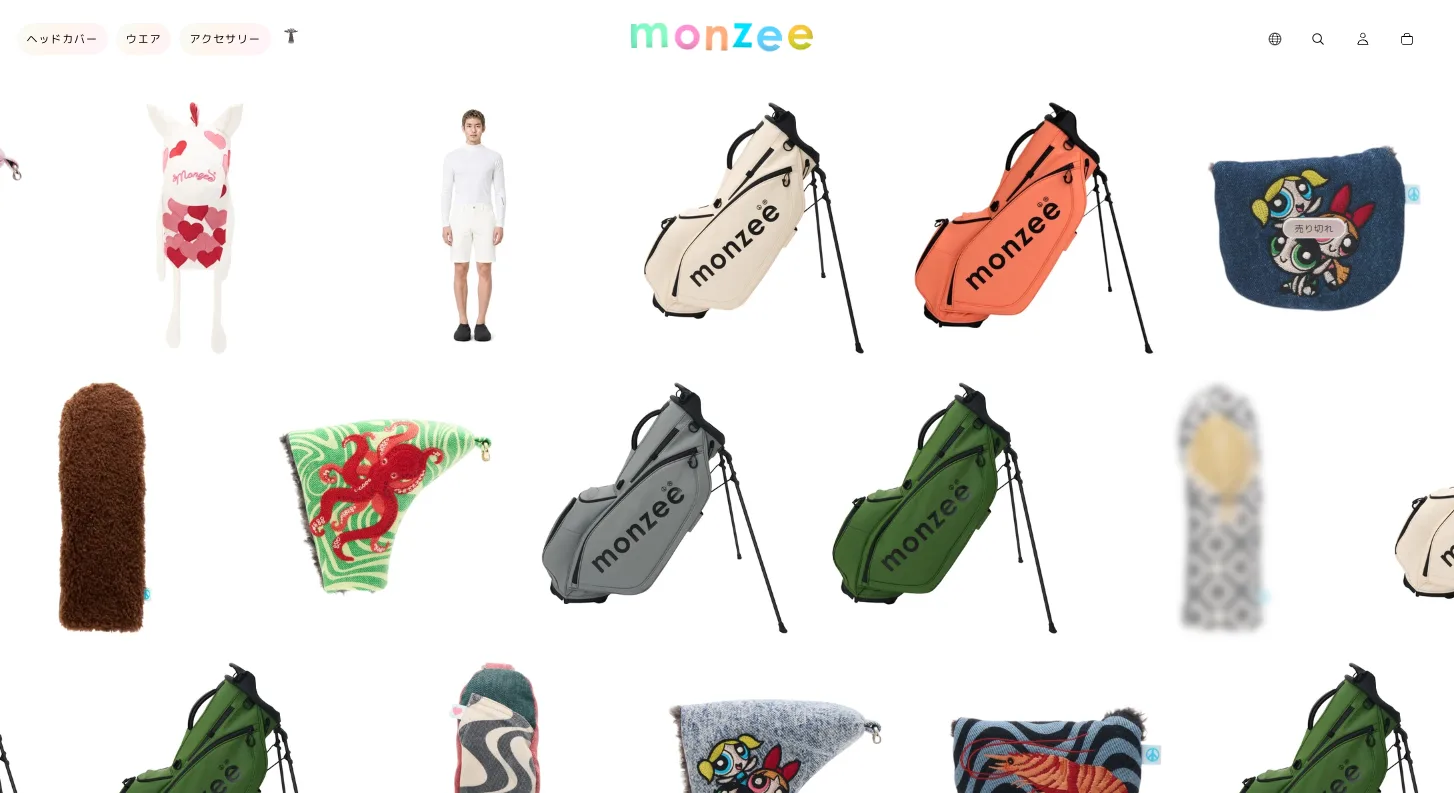
Malbon collaborates with brands that have no obvious golf overlap. The list reads like a fashion editor's contact book. Coca-Cola. Budweiser. Nike. Polo Ralph Lauren. New Balance. Undefeated. Jimmy Choo. Bushmills Irish Whiskey. The Grateful Dead. Larry David's Curb Your Enthusiasm. Each collab puts the brand in front of an audience that did not previously think about golf apparel. A New Balance collab gets covered on Hypebeast. A Curb collab gets posted by HBO accounts. A Grateful Dead capsule gets reposted by music culture accounts that would never share a golf brand otherwise. Each of those reposts is free reach into a non-golf audience that golf brands have been trying to reach for decades and have largely failed to convert.
How Did Jason Day Put Malbon Golf on Masters Week?
The Augusta Moment
In 2024, Malbon signed Jason Day as its first PGA Tour ambassador. Two months later, Day showed up at the Masters wearing a baggy fit and a sweater vest that read "Malbon Golf Championship" in oversized block lettering across the chest. Augusta National asked him to remove the vest before his second round. The internet did the rest. "Sweatergate" became the dominant story of that Masters week. Whether you loved it or hated it, you were talking about Malbon. For a brand that had spent seven years building cultural credibility in streetwear circles, getting suddenly thrust into the center of golf's most traditional event was the inflection point.
In 2026, Day returned to Augusta wearing the Birds of Georgia capsule, a bird-print collection designed specifically for the tournament. Augusta National again asked him to tone down the look. The story repeated. Malbon's reach kept compounding.
The Brand Voice
Malbon's product copy, social posts, and store experiences feel different from other golf brands. The voice is loose, slightly tongue-in-cheek, and intentionally irreverent without being cynical. The aesthetic borrows from skate brands of the 1990s and 2000s. The logo is informal. The typefaces feel like band merch, not country club signage. Walking into a Malbon store on Fairfax in Los Angeles or in Manila or in Seoul, the experience is closer to walking into Supreme than walking into a golf shop at a private club.
What Is the Malbon Buckets Club?
The Buckets Club
In 2023, Malbon launched the Buckets Club, a digital community that has functioned as a customer retention loop and a content engine. Buckets Club members get access to exclusive drops, events, and content. The club mirrors how streetwear brands like Supreme and luxury houses like Hermes use scarcity and access as marketing tools. The community side of Malbon is part of why customers stay attached to the brand rather than treating it as a one-time fashion purchase.
The DORMIED Take
The popularity is real and the catalysts are clear, but the durability question is open. Streetwear brands have a tendency to peak culturally and then either expand into mainstream banality or contract into niche relevance. Malbon's bet is that golf is too large a category to peak the way streetwear brands typically do. The argument is reasonable. Golf has 25 million participants in the United States alone and the average customer is older than the typical streetwear buyer, which means the audience renews more slowly and stays attached for longer.
The other thing keeping Malbon culturally durable is that the brand has not abandoned its identity as it has scaled. Founder-led businesses can hold creative coherence at scale better than corporate-acquired brands, and Malbon is still founder-led. The voice has not been laundered through a brand consulting firm. The products still look like Stephen and Erica designed them, because they did. That is most of what makes Malbon Malbon, and most of why the popularity has not yet softened the way it does for other apparel brands at this point in the curve.