A $171 discount on a current-generation driver in the middle of June is not a promotion. It is a pricing decision, and it usually means someone looked at sell-through and did not like the number.
What Does This Round of Golf Equipment Discounting Signal?
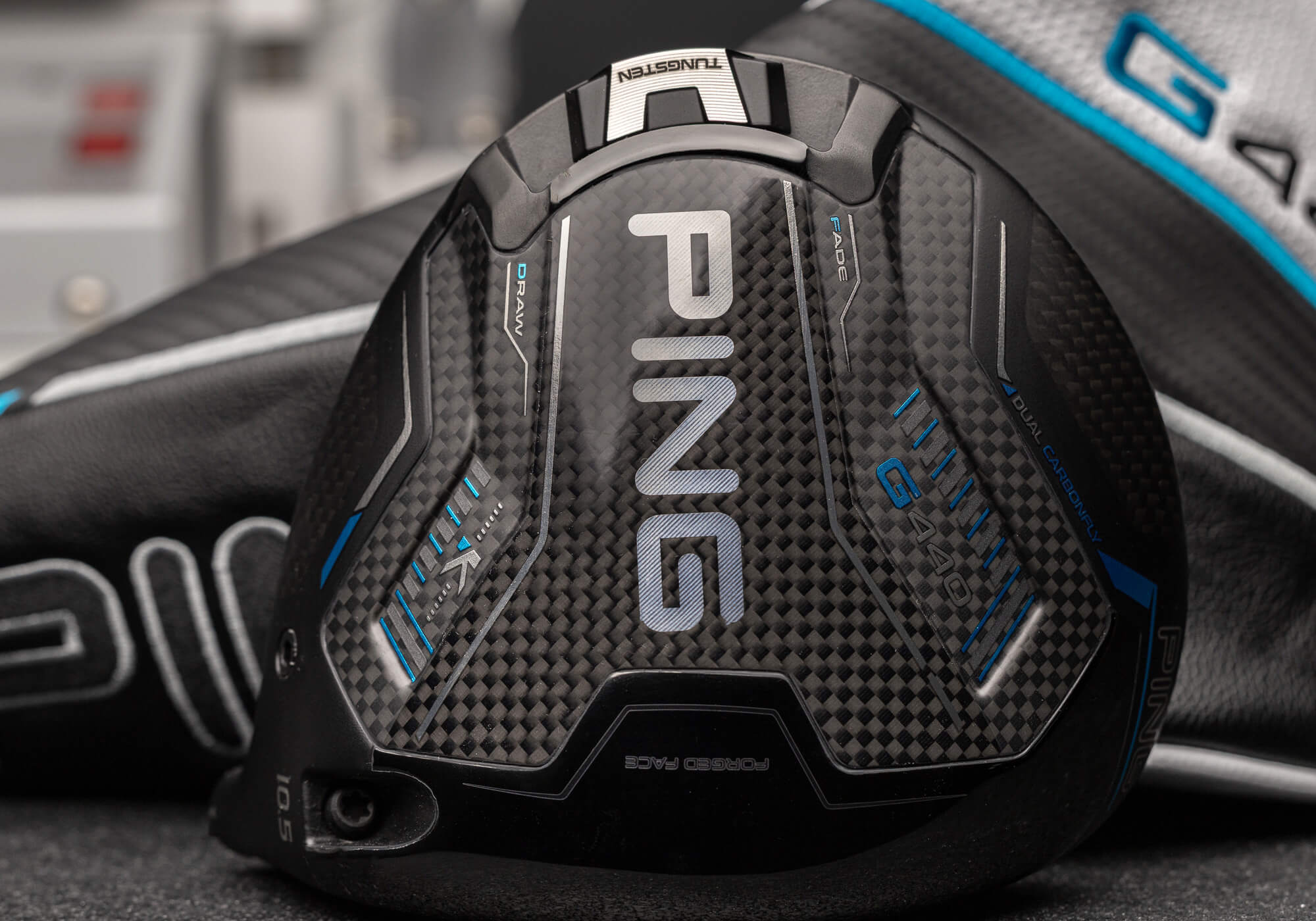
That is the shape of this week's deal sheet across the category. PING has taken up to $171 off G440 drivers, $70 off the fairways, $50 off hybrids, as much as $150 off G440 iron sets, and dropped select Scottsdale putters to $229. COBRA is bundling a 52, 56 and 60 into a wedge set at $280, which is roughly what one premium wedge and a sleeve of balls costs at full retail. Odyssey has $100 off the Ai-DUAL Square 2 Square #7. Edel is running 15 percent off everything, including a driving iron that tested near the top of its class this year. TaylorMade, Callaway and Titleist all have live promotional pages running alongside them. None of this is prior-generation clearance. This is in-cycle product, discounted in the middle of the selling season.
TaylorMade knows exactly what that road looks like because it paved it. Between 2012 and 2015 the company pushed RocketBallz, RBZ Stage 2, SLDR, JetSpeed, R15 and AeroBurner into the market at a cadence that outran consumer demand and retailer shelf space. Drivers that launched at $399 were sitting at $199 within months. Retailers who bought at full margin watched their inventory get repriced underneath them by the brand that sold it to them. Adidas took write-downs, TaylorMade's operating results went upside down, and in 2017 the business was sold to KPS Capital Partners for a reported $425 million. The product was not the problem. The pricing discipline was.
Why Does a PING G440 Discount Matter This Much?
What makes the current moment different is who is doing the discounting. PING is the brand that built forty years of equity on not doing this. Tight distribution, fitting-first sales, minimal promotional noise, and a reputation among green-grass accounts as the OEM least likely to torch their margin. When PING moves $171 off a current driver, the read is not that PING got aggressive. The read is that the category has more inventory than it has buyers, that rounds volume has normalized off the 2021 peak, and that everyone else's promotional posture forced the issue. Price leadership only works when someone is following.
There is a second structural point buried in this that matters more to retailers than the dollar figures. The distribution channel for these discounts is affiliate media. A deals roundup on an equipment testing site is now functioning as clearance infrastructure for the largest OEMs in golf, complete with coupon codes and click-through tracking. That is efficient for the brand and lethal for the independent shop, which cannot match the price, cannot publish the code, and gets to explain to a customer why the same G440 head costs more in the rack than it does on a laptop. The 2015 lesson was about cadence. The 2026 version is about channel.
Can TaylorMade Hold Its Pricing Strategy This Summer?
TaylorMade sits second globally in our brand index this month, down 18.3 percent from May, which is what post-launch attention decay looks like when the launch window closes and the discount window opens. The company has spent nine years and two ownership changes rebuilding the price integrity it burned through under Adidas, moving to a two-year cadence and defending MAP with more conviction than it ever did in the SLDR era. The test is not whether TaylorMade can hold that line in a quiet market. It is whether it holds it while PING, of all brands, is cutting current-generation metalwoods by triple digits in June. Watch the back half of summer. If the Qi line starts showing up in these roundups at $150 off before Labor Day, the discipline was situational, not structural, and the industry will have spent a decade learning nothing.