
Adam covers apparel, accessories, and golf culture for DORMIED. He has been tracking brand drops and collaborations since 2018.
Random Golf Club is a golf community, media company, and apparel brand founded by Erik Anders Lang, built on a YouTube-first audience and the idea that golf should feel open rather than exclusive. RGC is not an equipment maker or a collector-gear label. Its value sits in culture and belonging, the same lane that brands like Malbon occupy, which is exactly why it keeps surfacing in conversations about where golf's next generation of fans actually live.
In one sentence: Random Golf Club (RGC) is a golf community and media brand founded by filmmaker and YouTube personality Erik Anders Lang that grew through YouTube videos, local meetups, and culture-focused golf apparel.
That framing matters because RGC is easy to miscategorize. Search "Random Golf Club" and you will find merch, headcovers, and patch-covered uniforms, and it would be reasonable to assume this is a gear brand with a secondary market. It is not. The covers and apparel are expressions of the community, not the product. The product is the community itself, and understanding that is the whole point.

Where Did Random Golf Club Come From?
The origin story runs through Erik Anders Lang, a filmmaker and YouTube personality best known as the longtime host of Skratch's Adventures in Golf. A former photographer, documentary filmmaker, and music video director, he came to golf late and hard. He has described feeling unwelcome in golf's traditional culture, a sport he saw as built for a narrow demographic, and deciding to build the thing he wished existed. RGC grew out of that frustration rather than out of a business plan.
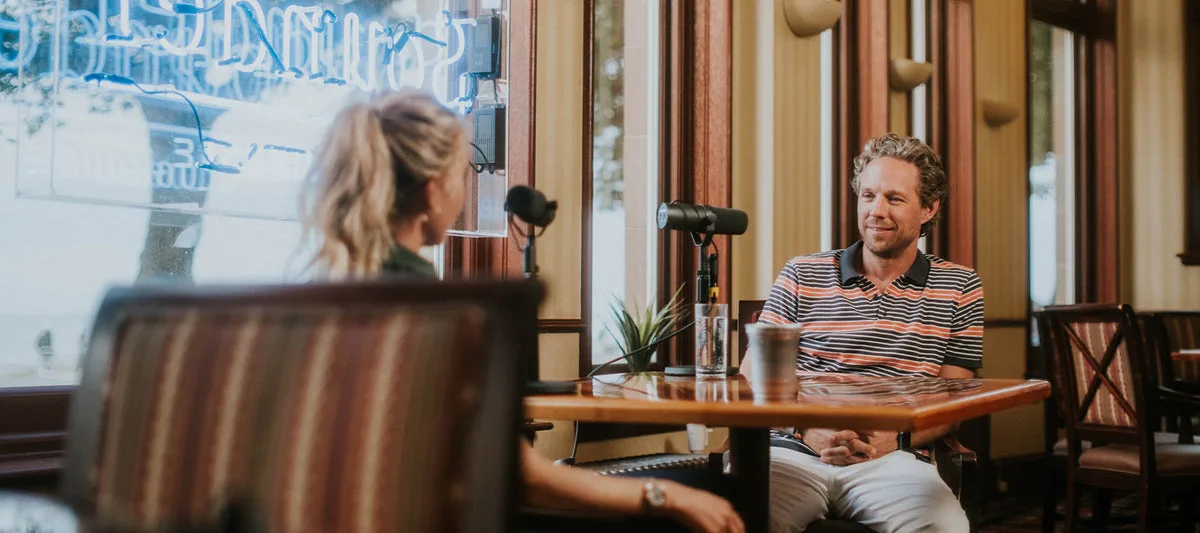
It started on YouTube. Adventures in Golf treated golf as a way to see the world and meet people rather than a scorecard exercise, and the Random Golf Club channel built its own following alongside that work, mixing meetups, course adventures, celebrity matches, and the kind of unscripted hangs that traditional golf media never bothered to film. The channel sits in the mid-hundred-thousands of subscribers, which undersells its cultural weight. RGC's influence has always run deeper than its subscriber count.
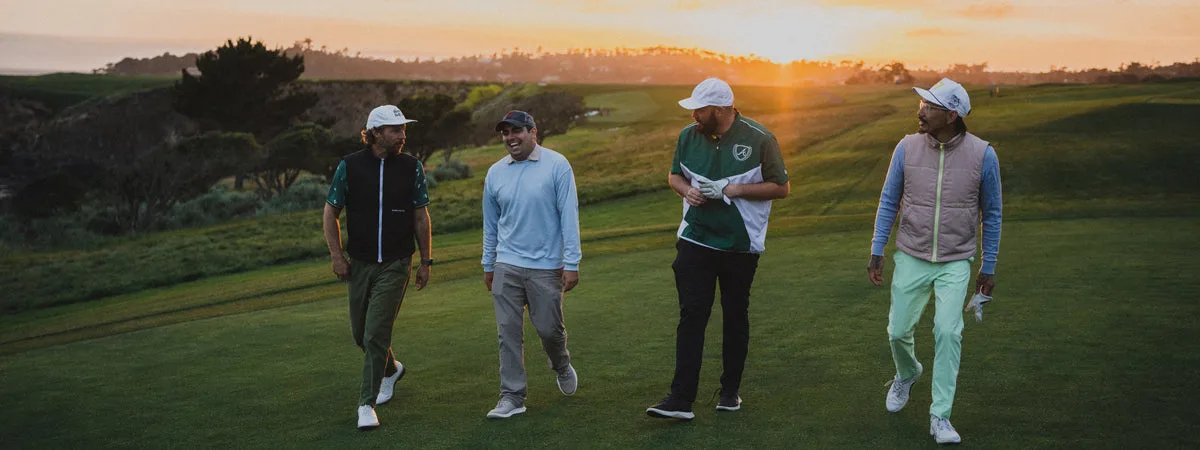
From there it went physical. Volunteers started hosting RGC meetups in their own cities, and the club grew into a network of local chapters around the world. The structure is the reverse of most golf brands. Most start with a product and look for a community. RGC started with a community and the products followed.
What Is Random Golf Club, Actually?
RGC operates across three layers that reinforce each other. The first is media: the YouTube channel, Lang's podcast, and the films that established the voice. The second is community: the meetups, the chapters, the app, and formats like the Mad Scramble, where everyone plays the same green at the same time and a round becomes a moving party. The third is apparel: hats, covers, and the patch-heavy pieces that let members signal they belong.
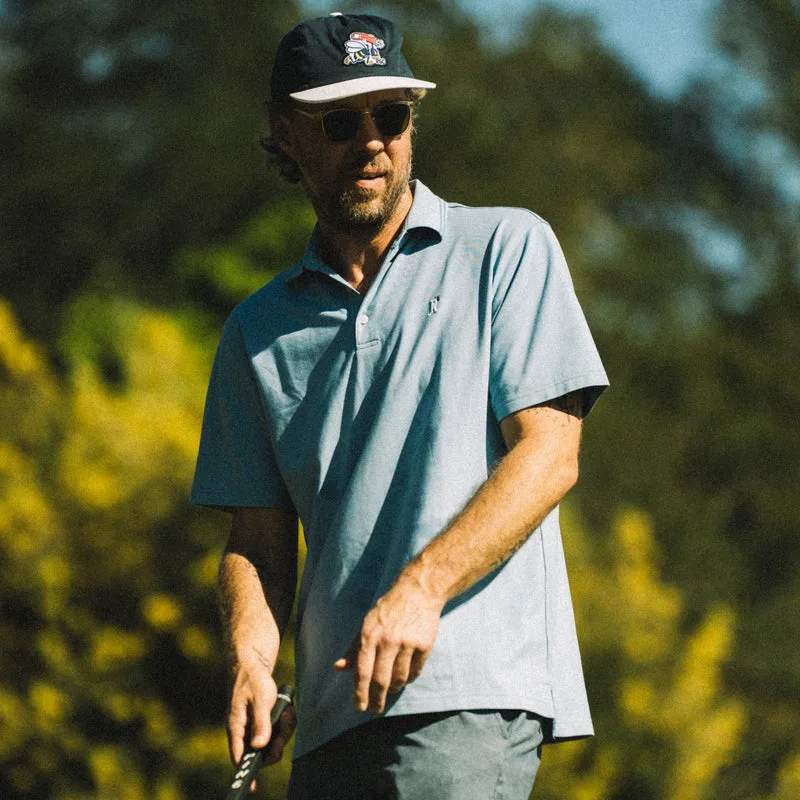
The audience skews younger than golf's historical core, and that is by design. RGC speaks to people who came to the game through Instagram and YouTube rather than through a country club membership, who care about where they play and who they play with more than about handicap differentials. The philosophy is consistent across every layer. Golf is an adventure, the first tee is a place to meet strangers, and nobody needs to earn their way in.
How Is Random Golf Club Different From Malbon?
RGC and Malbon get mentioned together because both are culture-first golf brands aimed at a younger, style-aware audience. They are not the same thing, and the difference is instructive.
| Random Golf Club | Malbon Golf | |
|---|---|---|
| Core identity | Community and media brand | Apparel and lifestyle brand |
| Origin | YouTube, meetups, Erik Anders Lang | Founder-led apparel label, streetwear crossover |
| Primary product | The community itself | Clothing and collaborations |
| How you join | Show up, follow, attend a meetup | Buy the product |
| Cultural signal | Belonging and access | Taste and style |
Malbon sells you into the culture through what you wear. RGC invites you into the culture and the apparel is a byproduct. Both are winning younger golfers, but one is a wardrobe and the other is a friend group. If you want the data on how each is trending, the DORMIED Index tracks brand momentum across the category month over month, and the Malbon brand page covers its trajectory in detail.
Why Does Random Golf Club Resonate With Younger Golfers?
RGC's audience skews younger because the brand removed the parts of golf that kept younger players out. There is no country club energy, no dress-code gatekeeping, no sense that you have to prove your handicap before you belong. A Random Golf Club meetup is a social event first and a round of golf second, and that order is the whole appeal to people who grew up watching the game on YouTube rather than inheriting it from a club membership.
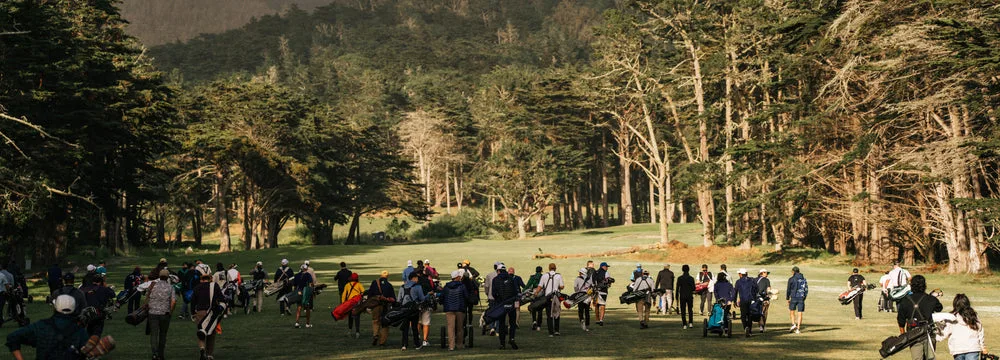
The pull is partly social and partly aesthetic. RGC treats golf as travel, as friendship, and as something worth filming, which maps cleanly onto how a younger audience already consumes the game. The apparel sits at the overlap of golf and streetwear, the same crossover that made Malbon work, so wearing RGC signals taste as much as participation. Community over competition is the through line, and it is why the brand keeps gaining attention with a demographic that traditional golf spent years failing to reach.
That growth is increasingly structured rather than accidental. Random Golf Club chapters now operate in cities around the world, RGC membership has moved toward formal paid tiers with added perks, and the Random Golf Club app gives the online community a way to organize offline. The infrastructure caught up to the audience.
Why Does Random Golf Club Matter?
RGC matters because it proved that a golf brand can be built on attention and belonging before it sells a single hat. That is a different blueprint from the equipment-led brands that have defined golf for decades, and it is the blueprint the next wave of culture brands is copying. The growth came from people wanting to be part of something, and the commerce arrived later as a way to wear that membership.
For anyone watching where golf's audience is heading, RGC is a useful signal. The traditional game spent decades worrying about being unwelcoming. RGC built a global community by treating that problem as the entire business.
What Do People Ask About Random Golf Club?
Who founded Random Golf Club?
Erik Anders Lang, a former photographer, documentary filmmaker, and music video director who is also known as the longtime host of Skratch's Adventures in Golf series.
Is Random Golf Club a gear or equipment brand?
No. RGC is a community and media brand that sells apparel and accessories. Despite the merch and headcovers, it is not an equipment maker, and its covers trade as ordinary used gear rather than as collectibles.
Is Random Golf Club free to join?
The community is free to participate in through meetups, the channel, and the app. RGC has also developed paid membership tiers with added perks, but showing up does not require paying.
What is the Mad Scramble?
An RGC event format where the whole group plays the same green at the same time and the round functions more like a moving party than a conventional competition.
How is Random Golf Club different from Malbon?
RGC is a community and media brand where apparel is secondary to belonging. Malbon is an apparel and lifestyle brand where the product is the way in. Both target a younger, culture-driven golf audience.
Is Random Golf Club legit?
Yes. RGC is an established golf community and media brand with a global meetup network, a long-running YouTube presence, an app, and a real apparel line. It has been operating and growing for years under founder Erik Anders Lang.
Can anyone join Random Golf Club?
Yes. That is the entire premise. Anyone can follow the channel, download the app, or show up to a meetup, and RGC is built specifically to be welcoming to newer and casual golfers rather than gatekept.
Where did Random Golf Club start?
On YouTube, alongside Erik Anders Lang's video work, before expanding into in-person meetups and a network of local chapters worldwide.
Related reading: What Makes a Golf Headcover Worth Reselling?