Fifteen products in a holiday roundup, and the two golf balls on the list tell you everything about where the premium ball category sits heading into the back half of 2026. Titleist's Pro V1 AIM Performance in Stars and Stripes on one end. TaylorMade's SpeedSoft on the other. The gap between them, both in price and positioning, has never been wider.
What Is the Titleist Pro V1 AIM Alignment Stamp?
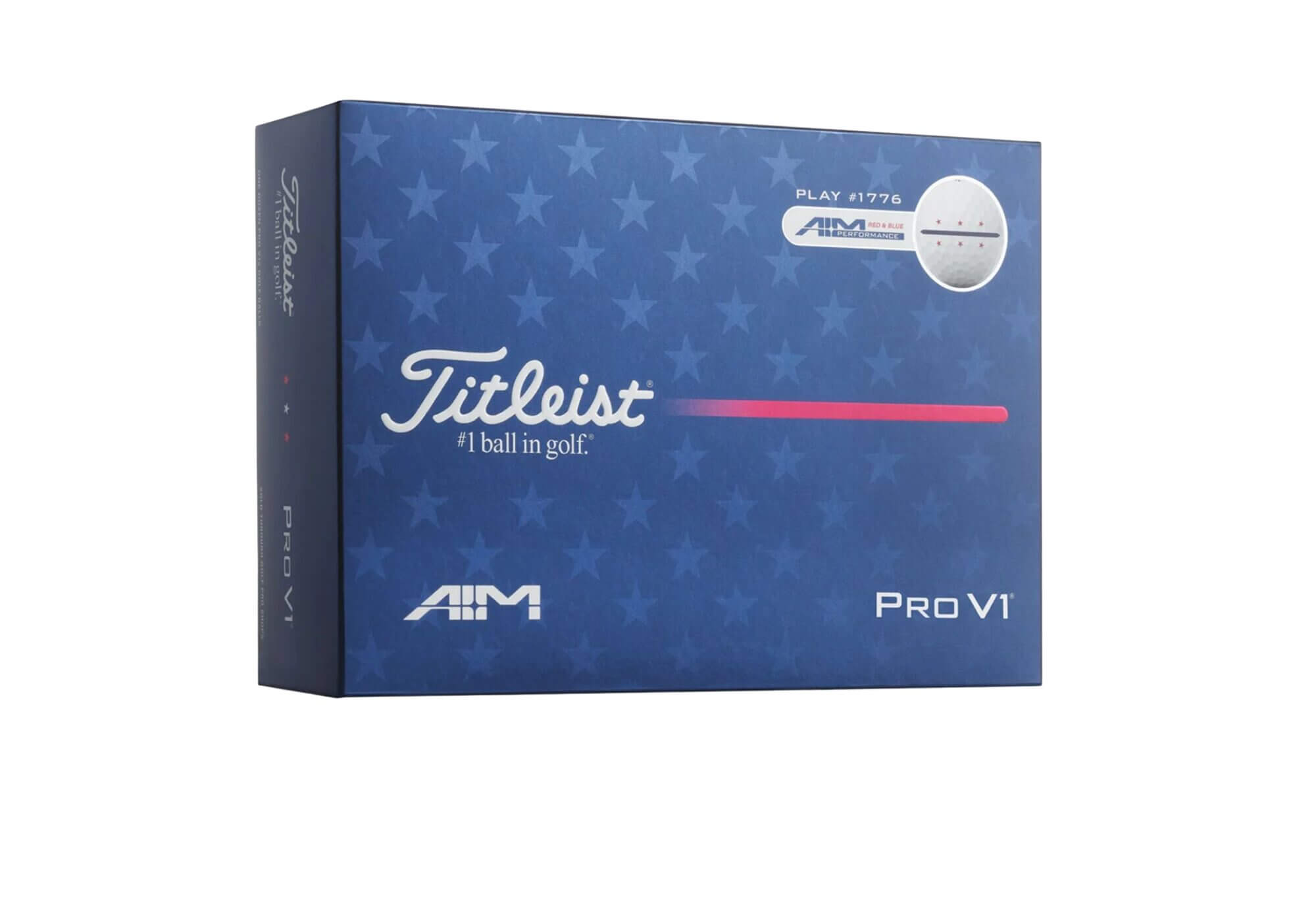
The headline product in the mix is the Pro V1 AIM Performance Red, White & Blue edition with a custom 1776 play number. The AIM alignment stamp itself is the interesting engineering story. Titleist claims the marking runs 65 percent longer than the standard sidestamp, which puts it in the same visual-aid territory as the Callaway Triple Track and TaylorMade ClearPath lines. Titleist held out on committing to alignment aids for years while competitors experimented. The AIM launch earlier this cycle was the concession, and dressing it in patriotic livery for July 4th is a reminder that the company now treats alignment marketing as a permanent part of the Pro V1 franchise, not a temporary experiment.
The TaylorMade SpeedSoft inclusion, positioned in the roundup as the softer, cheaper alternative with the caveat about greenside performance, is the more revealing entry. TaylorMade has ceded the premium tour ball conversation to Titleist for most of the last decade despite meaningful investment in the TP5 and TP5x. The SpeedSoft is a value play aimed at the recreational buyer who wants a themed ball for the holiday and does not particularly care about spin numbers on a 40-yard pitch. That is a legitimate market. It is not the market Titleist competes in.
Is the Callaway Quantum Driver Just a Paint Job?
The Callaway Quantum limited-edition driver anchors the high end of the roundup at the price point where patriotic aesthetics start to feel like a stretch. Callaway is leaning into the 250th anniversary framing across its 2026 seasonal releases, and the Quantum, Tri-Force Face, Ai-mapped face, 360-degree carbon chassis, is the real Elyte-era platform wearing a heritage costume. The engineering is not the gimmick. The paint job is. Buyers who understand that distinction are the ones Callaway is actually selling to.
What the rest of the list confirms is that the July 4th golf gear category has professionalized. YETI, Melin, Vineyard Vines, Jones, TravisMathew, these are not golf-first brands showing up in a golf roundup because they slapped a flag on something. They are lifestyle brands that now expect placement in golf editorial around every seasonal moment. Ten years ago, a July 4th gear list would have been three golf balls, a hat, and a bag. The current version reads like a Nordstrom curation with a Pro V1 dropped in.
Why Does Titleist Still Own the Premium Golf Ball Market?
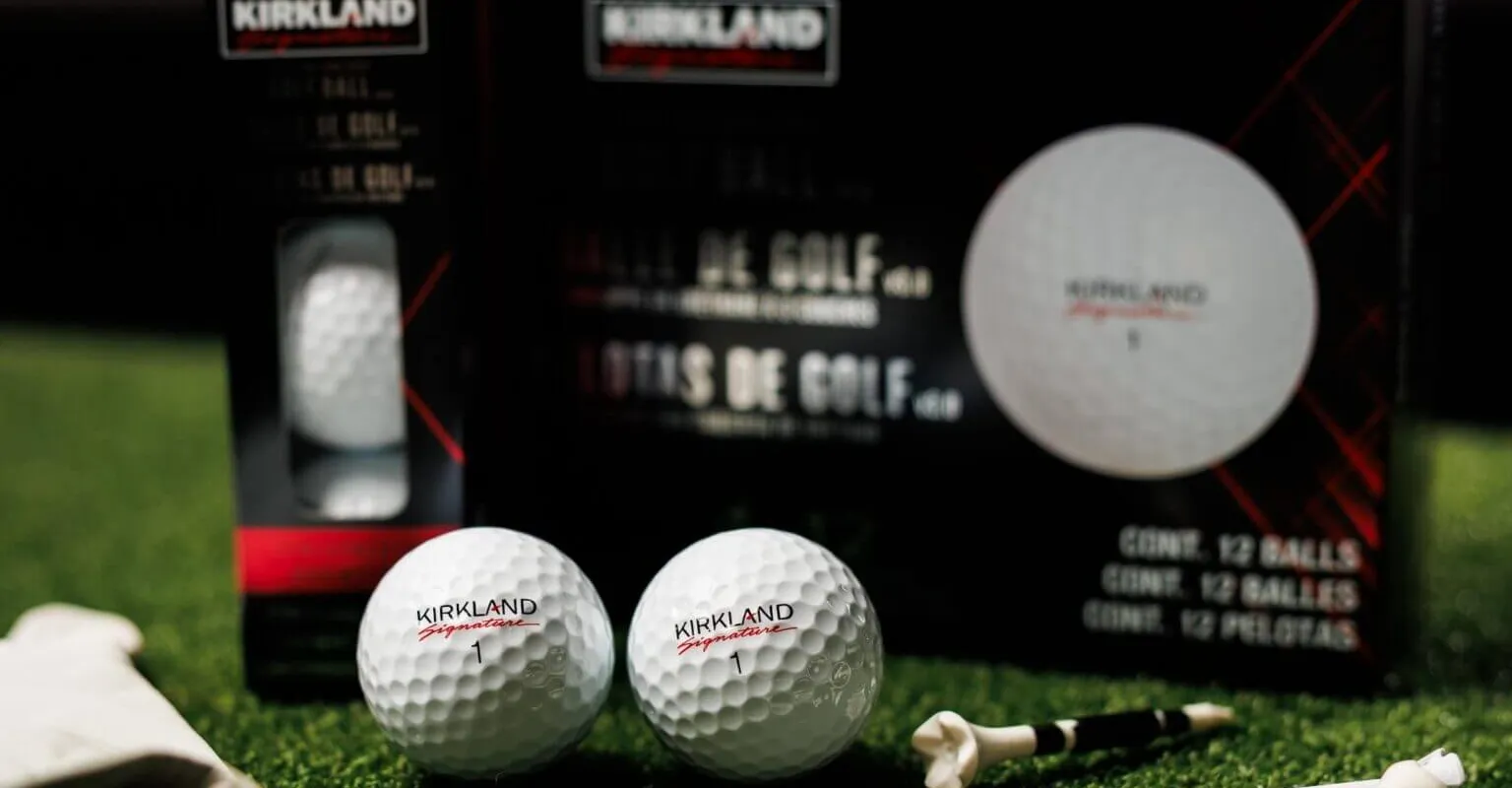
Titleist sits at the top of the global rankings this month, unchanged, because the Pro V1 franchise continues to do the work no marketing campaign can replicate. The AIM extension, the seasonal editions, the custom play numbers, all of it operates from a position of category ownership that no competitor has meaningfully threatened since the Pro V1 launched in 2000. The interesting question is not whether Titleist holds the top of the ball market through 2026. It is whether the SpeedSoft-tier value play from TaylorMade eventually expands into something that pressures the Pro V1 franchise from below, the way Kirkland briefly did in 2017 before quality control killed the story. That fight has not started yet. When it does, the Stars and Stripes edition of the Pro V1 will look less like a holiday novelty and more like a moat-widening exercise.