The most valuable hire in green grass apparel is almost never a salesperson. It is a buyer, preferably one who spent a decade deciding which vendors got wall space and which got the back corner near the hats.
Who Is Katie Wiedmar, Johnnie-O's Green Grass Lead?
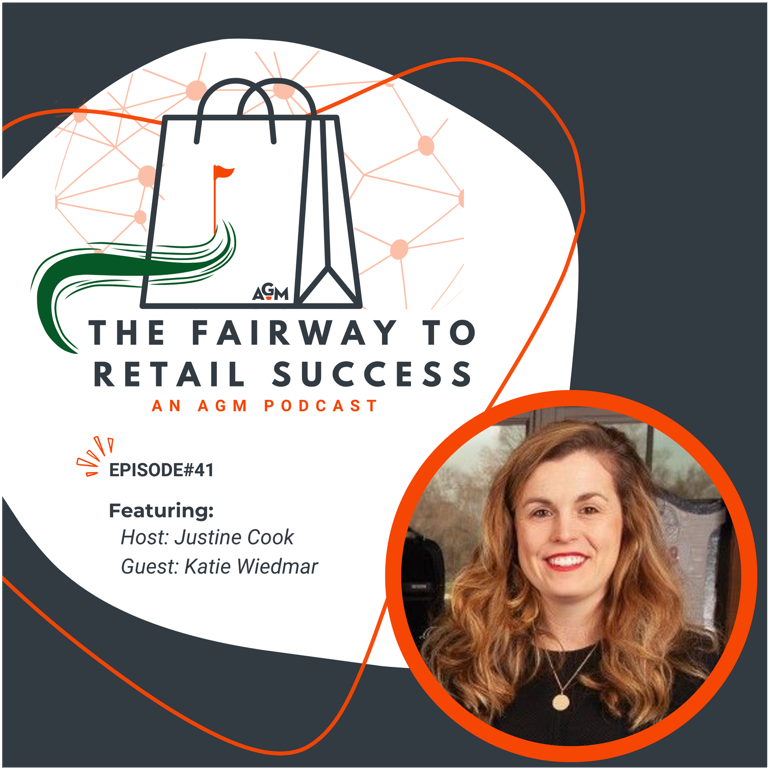
Katie Wiedmar is that hire. Johnnie-O's National Sales Manager for Green Grass Sales, and the 2023 PGA Merchandiser of the Year in the Private category, appears on the latest episode of The Fairway to Retail Success, the Association of Golf Merchandisers podcast, to talk through her move from the retail side to the vendor side. Before Johnnie-O, she spent more than ten years at Winged Foot, including the run-up to the 2020 U.S. Open, which is the merchandising equivalent of building an entire seasonal business inside a fourteen-month window and having exactly one chance to get the sizing curve right.
Green grass is the last channel in golf apparel that behaves the way brands wish every channel behaved. No marketplace leakage, no third-party sellers undercutting MAP, no algorithmic race to the bottom on a Tuesday in February. Full margin, member accounts, and a buyer who will happily reorder the same navy quarter-zip for four straight years if it moves. The catch is that access is rationed. A private club shop carries maybe eight to twelve apparel vendors, the rack space is finite, and the open-to-buy is set months before anyone sees a line sheet. You do not break in with a good product. You break in with a relationship and a delivery date the buyer believes.
Why Are Golf Apparel Brands Hiring Green Grass Buyers?
Which is why the buyer-to-vendor pipeline has quietly become the recruiting strategy across the category. Peter Millar, Holderness and Bourne, Greyson and Fairway and Greene are all fishing in the same pond, and the pond is small: AGM counts roughly 900 buyers against 200 vendors. Hiring someone who has sat on the buying side means hiring someone who understands why a shop cancels a pre-book in March, what a championship year does to a shop's cash position, and how much a poorly timed shipment costs in trust. That knowledge does not exist in a general apparel sales resume. It exists in about a thousand people worldwide, and the brands know exactly who they are.
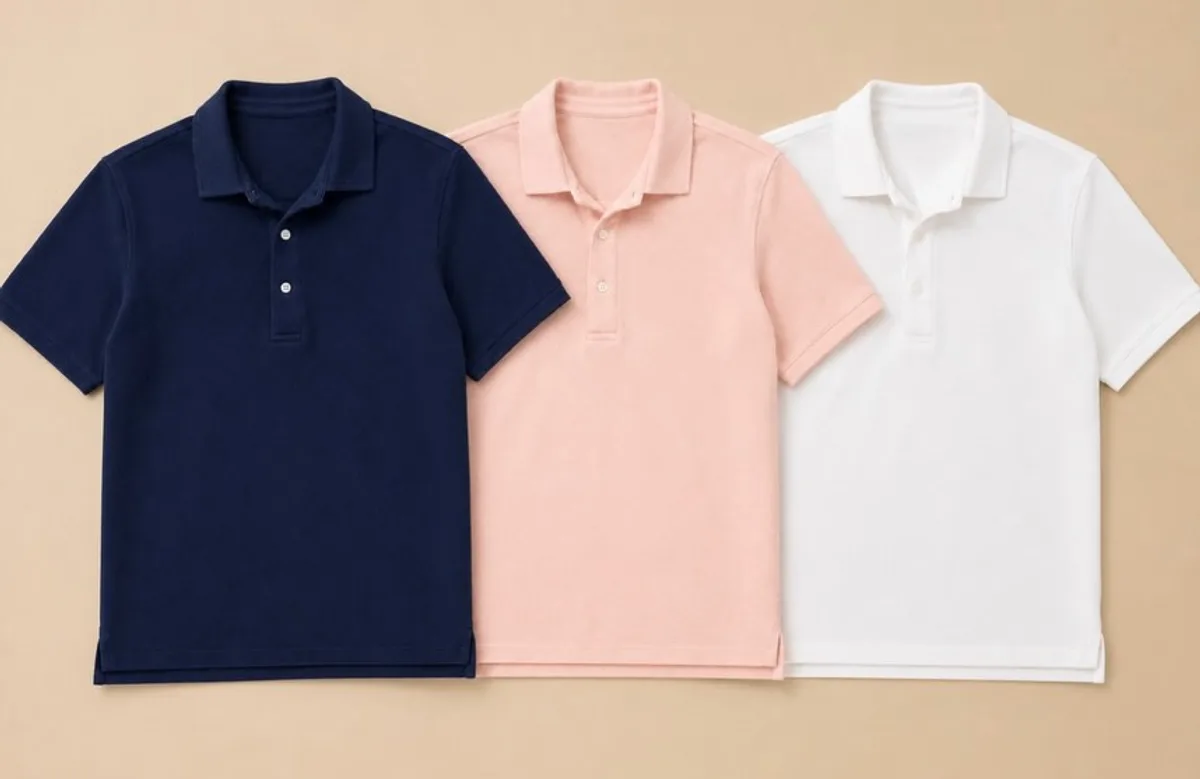
For Johnnie-O specifically, this is the correct pressure point. The brand came out of Laguna Beach in 2005 selling a prep-meets-surf hybrid that reads as Southern California by way of a Connecticut lacrosse camp, and it grew on specialty retail before golf became its center of gravity. The product is competent: solid stretch woven shorts, the four-way performance polos, a fit that flatters a wider range of bodies than the athletic-cut brands admit. But the product is not the differentiator. Nobody at a member-guest is identifying a Johnnie-O polo by its collar construction from twenty feet. The differentiator is being on the rack when a member walks in and needs something before the shotgun start. That is a distribution war, and distribution wars are won by people, not by fabric.
How Does the Golf Merchandisers Podcast Help Johnnie-O?
A podcast appearance is not a business result, and a flat month in our global rankings, where Johnnie-O currently sits 92nd, confirms that channel work rarely shows up as a spike. It shows up two seasons later as a shop that carries five styles instead of two. The AGM podcast itself is worth noting as a mechanism: a vendor putting its green grass lead in front of an audience composed almost entirely of the buyers she needs, framed as education rather than a sales call. That is a sharper piece of channel marketing than another Instagram capsule.
Watch what Johnnie-O does with its pre-book calendar and its club custom program over the next two seasons. The brands that win green grass in this cycle will be the ones that treat it as a service business rather than a wholesale account, and the tell is who they hire. Johnnie-O just hired the buyer.