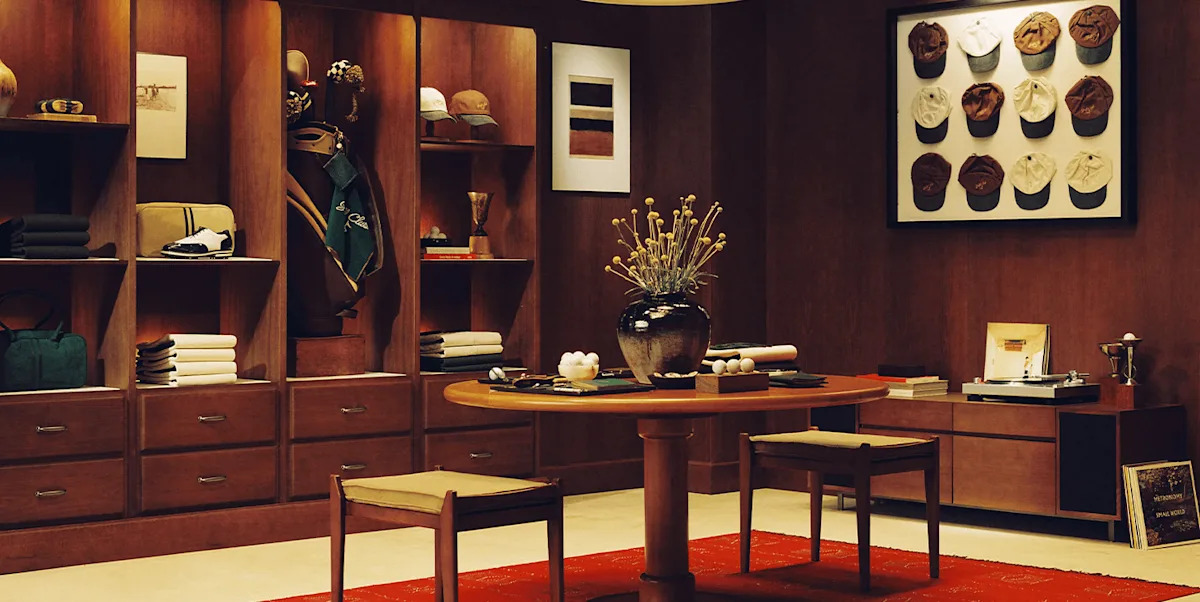
A Spanish fast-fashion conglomerate just made one of the more interesting moves in golf's ongoing lifestyle drift. Zara Home, the interiors division of Inditex, has launched a full golf collection spanning apparel, bags, and a curious assortment of home goods. Ceramic ashtrays. Cocktail glasses with golf ball stems. Linen napkins. The kind of stuff that signals "I golf" without requiring anyone to actually watch you play.
What Does Vice Golf Bring to the Collection?
Vice Golf is supplying the gloves and balls. That detail matters more than it might seem.
The Munich-based direct-to-consumer brand built its reputation on a simple premise: pro-calibre golf balls at roughly half the price of the Big Three. No tour endorsement circus, no retail markup, no pretense. Just good product sold efficiently. It worked. Vice carved out a loyal following among players who wanted performance without the Titleist tax, and the brand has climbed steadily in visibility. A 49 percent month-over-month jump in our tracking puts them at ninth globally among clubs and balls brands, which is notable for a company that still operates without a single tour contract.
Why Do Vice Golf and Zara Home Fit Together?
Zara Home operates from the same playbook in its own category: design-forward product at accessible retail, manufactured at scale, marketed with European restraint. The partnership makes sense on paper. Both brands reject the idea that premium aesthetics require premium pricing. Both understand that golf's addressable market extends well beyond people who play five times a week.
But this collection is not really about golf equipment. It is about golf as an aesthetic. The color palette leans toward deep greens and warm browns, the kind of tones that look right on a bar cart or a coffee table. The price points stay deliberately approachable: a cardigan at $129, a leather notebook cover at $70, headcovers at $46. Nothing screams wealth. Everything whispers taste.
What Does Vice Golf Risk in This Partnership?
For Vice, the move signals an appetite to exist in spaces where golf is a cultural reference rather than a game being played. That is a calculated bet. The brand has always been about accessibility, but accessibility to what? If the answer shifts from "good balls at fair prices" to "lifestyle credibility through retail partnerships," the risk is dilution. The upside is reach.
Zara Home's decision to enter golf at all is the more interesting tell. Inditex does not move into categories on a whim. The company sees something in golf's cultural moment, some combination of demographic shift and lifestyle positioning that makes it worth building a collection around. Vice gets to ride that wave without having to build the infrastructure itself. Whether that trade pays off depends entirely on whether the brand can stay sharp while showing up next to ceramic ashtrays.