
Every athleisure brand that entered golf did it the same way: take a fabric platform that already exists, add a collar, put it on a mannequin near the first tee imagery. Golf became a merchandising category rather than a design brief.
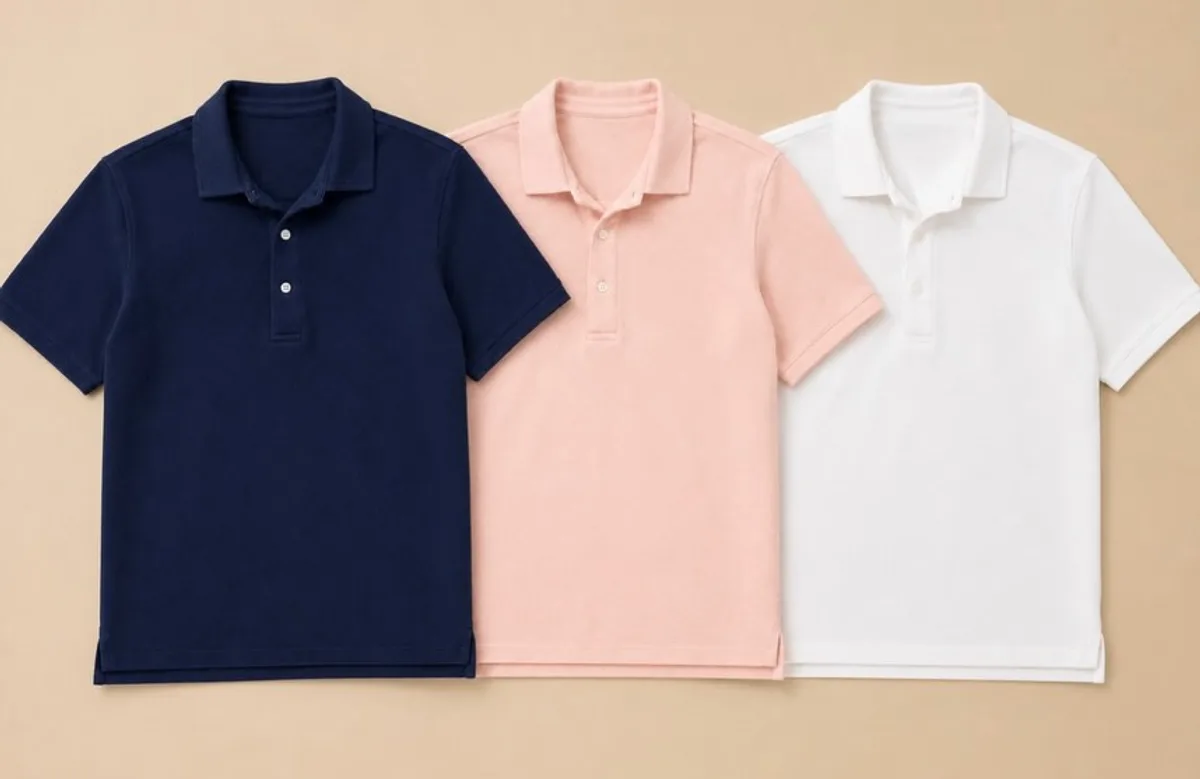
Technically Golf, a young label founded by former fashion-industry designer Andreas Duplantis, is built on the argument that this is a structural weakness rather than a marketing quibble. Duplantis's stated rule is blunt: if you cannot comfortably swing a club in it, the brand does not make it. He calls that design filter number one, and it sits ahead of fabric, color and fit in the process. The current range is small, anchored by the Shoulder Season polo and the Nio Half Zip, and the pitch is not that the giants make bad clothes. It is that making clothes a golfer can play in and designing for a golfer are two different jobs.
Why Is Technically Golf Betting Against Lululemon Golf?
The part worth paying attention to is not the performance claim. Stretch, moisture management and four-way movement are table stakes in 2026, and Lululemon in particular does not lose that fight. It has spent two decades building the fabric platforms that made the ABC pant a commuter uniform. The vulnerability is upstream of the fabric. When a brand that large builds a golf assortment, it inherits a corporate seasonal palette, wholesale forecasting, minimum order quantities measured in tens of thousands of units, and a fit block approved by a committee that also has to satisfy a customer buying leggings. Golf gets the version of the product that survives that process.
A brand operating at Technically Golf's scale inherits none of it. It can run a strange green nobody in a Vancouver color meeting would sign off on, cut a collar taller because tucked-in golfers photograph better that way, and order 400 units instead of 40,000. The advantage is not technical. It is taste plus inventory risk tolerance, which is the same lane Malbon, Eastside Golf and Quiet Golf exploited before anyone in Oregon or Vancouver noticed.
What Does Golf-Native Design Actually Change?
Duplantis's most interesting line has nothing to do with fabric. He describes the collared polo, tucked shirt, trousers and lightweight layer as one of the last stands against the decline of dressing up in American life, then says he intends to respect those codes while interpreting them through his own colors and point of view. That is a real position, and it is the one thing the athleisure entrants consistently get wrong. Their golf product reads like gym clothing that has agreed to wear a collar, the way a tech executive wears a blazer over a hoodie and believes the room cannot tell.
That gap is commercially meaningful because the serious golfer, the one who knows his wedge bounce and his shaft profile, applies the same scrutiny to what he is wearing. He notices fabric weight, whether the placket buttons are plastic or horn, whether the side seams pucker after four washes. Nobody markets to that instinct better than a founder who shares it.
Can a Small Golf-Native Brand Out-Color the Giants?
The counterargument is distribution, and it is a strong one. Technically Golf sells from its own site. Lululemon sells from roughly 750 stores and one of the best-performing DTC platforms in apparel. Awareness, not design intent, decides most of this category.
Still, the momentum is not all one direction. Lululemon Golf sits 48th of 215 brands on the DORMIED Index this month, down 18.2 percent month over month, which is what a category extension looks like when the novelty of the launch has worn off and no tour Sunday has replaced it. The tell for what comes next is whether Lululemon staffs a golf-only design and merchandising team with its own fabric development budget, or keeps treating golf as an assortment decision made inside the main line. If it is the latter, the golf-native labels will keep taking the customer who cares most, one 400-unit drop at a time.