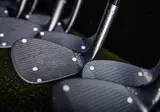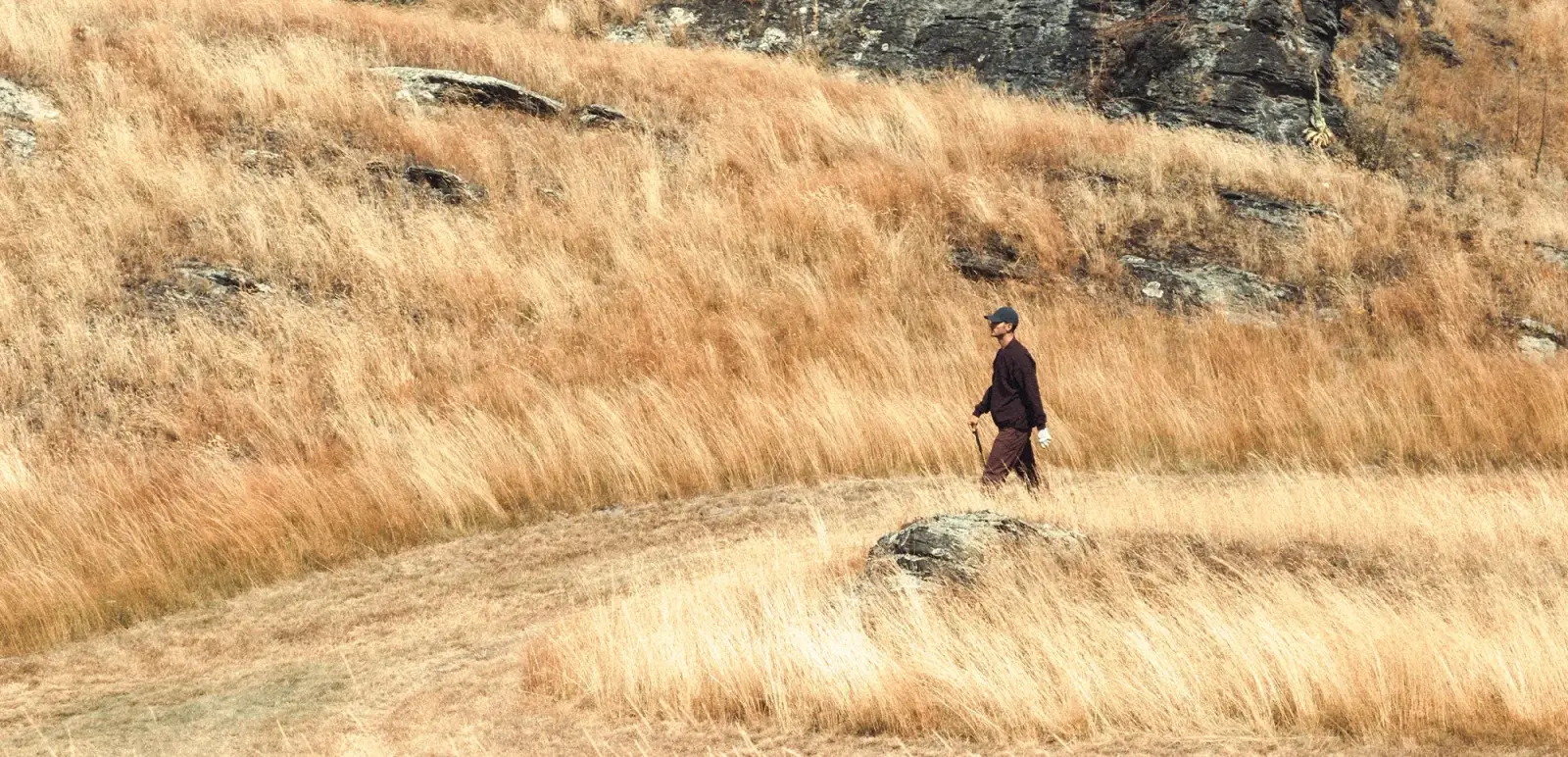

PING has signed BYU sophomore Kihei Akina to an NIL agreement, putting the reigning NCAA Freshman of the Year into 14 PING clubs, a PING bag and a PING hat for every event he plays outside of college golf. Terms and length were not disclosed, which is standard, and in this case probably merciful to anyone who assumes these deals are expensive.
The carve-out is the interesting part. Akina's collegiate events are excluded, because BYU's own apparel and bag arrangements govern those weeks. So PING is paying for a player it cannot brand roughly 60 percent of the time he competes. That is not an oversight. It is an acknowledgment that the hat was never the asset.
Why Does PING Sign Amateurs Instead of Buying Tour Pros?
PING has spent four decades declining to win equipment battles with cash. Karsten Manufacturing has historically been the OEM least willing to outbid Titleist or TaylorMade for a top-ten player at contract renewal, and it has compensated by getting there first and getting the fitting right. Tony Finau, another Utah product, has been in a PING bag long enough that nobody frames him as a signing anymore. That is the model: find the player before the auction, build the relationship around a fitting cart rather than a check, and let switching costs do the rest of the work.
Irons are the stickiest category in golf. A player who has been fit on the same iron head since his junior days has eight years of ball-flight memory tied to a specific sole grind, lie angle and shaft profile, and the number of tour pros who voluntarily rebuild that at age 24 is small. Akina says he has played PING since juniors. PING just converted a habit into a contract, and it did so before he has a tour card, an agent negotiating a full endorsement package, or a single season of earnings to use as leverage.
What Does the Kihei Akina NIL Deal Actually Buy PING?
The résumé supports the bet. Three individual Utah state titles at Lone Peak, 50 scholarship offers, two wins as a freshman, eighth at the 2026 NCAA Championships, a spot on the 2026 U.S. Walker Cup team, four PGA Tour starts already, and the youngest Utah Open winner in more than 90 years. He is in this week's Bank of Utah Championship on a sponsor invite. Players with that profile do not stay unsigned, and the price of signing one rises sharply the moment he turns professional.
NIL, in force since July 2021, has quietly rewritten equipment recruiting. Before it, an OEM's relationship with a college star was a tour-van handshake and a hope. Now it is a contract with a term, an exclusivity clause and a renewal date that lands before the player has pricing power. For a company that has never enjoyed bidding wars, that structural change favors PING more than it favors anyone writing eight-figure tour deals.
How Do NIL Equipment Deals Change College Golf Recruiting?
The risk is obvious and worth stating. Most NCAA Freshman of the Year winners do not become tour fixtures, and a brand that signs a dozen of these is buying a portfolio, not a player. The failure rate is high enough that the only sane way to run this program is cheap, broad and early. PING appears to be doing exactly that.
None of this moves a brand that already sits inside the global top 25 and posted no month-over-month movement in August. PING does not generate news-cycle velocity, and has never tried to. What it generates is continuity: a pipeline of players who have never meaningfully played anything else. Watch whether Akina's bag survives his first professional contract negotiation. If it does, the NIL deal will have paid for itself several times over, and the rest of the category will start signing sophomores too.