Travis R. covers equipment, shafts, and the DORMIED Index data for DORMIED. He is the data co-founder and has been tracking the golf brand market since 2018.
Miura is worth the price for a specific golfer: one who values the feel and consistency of a forged iron above distance or forgiveness technology, and who is willing to pay about $310 to $450 a club for it. Miura irons are forged one at a time by the Miura family in Himeji, Japan, where Katsuhiro Miura started in 1957, and the company releases new models only every few years. What you are paying for is craftsmanship and consistency, not a speed claim. For a golfer who wants the longest, most forgiving iron for the money, Miura is not the obvious purchase.
In one sentence: Miura is a family-run Japanese maker of hand-forged irons and wedges, priced at about $310 to $450 a club, and it is worth the money for players who prize forged feel and consistency over distance technology.
Is Miura Golf Worth the Price?
It depends on what you want an iron to do.
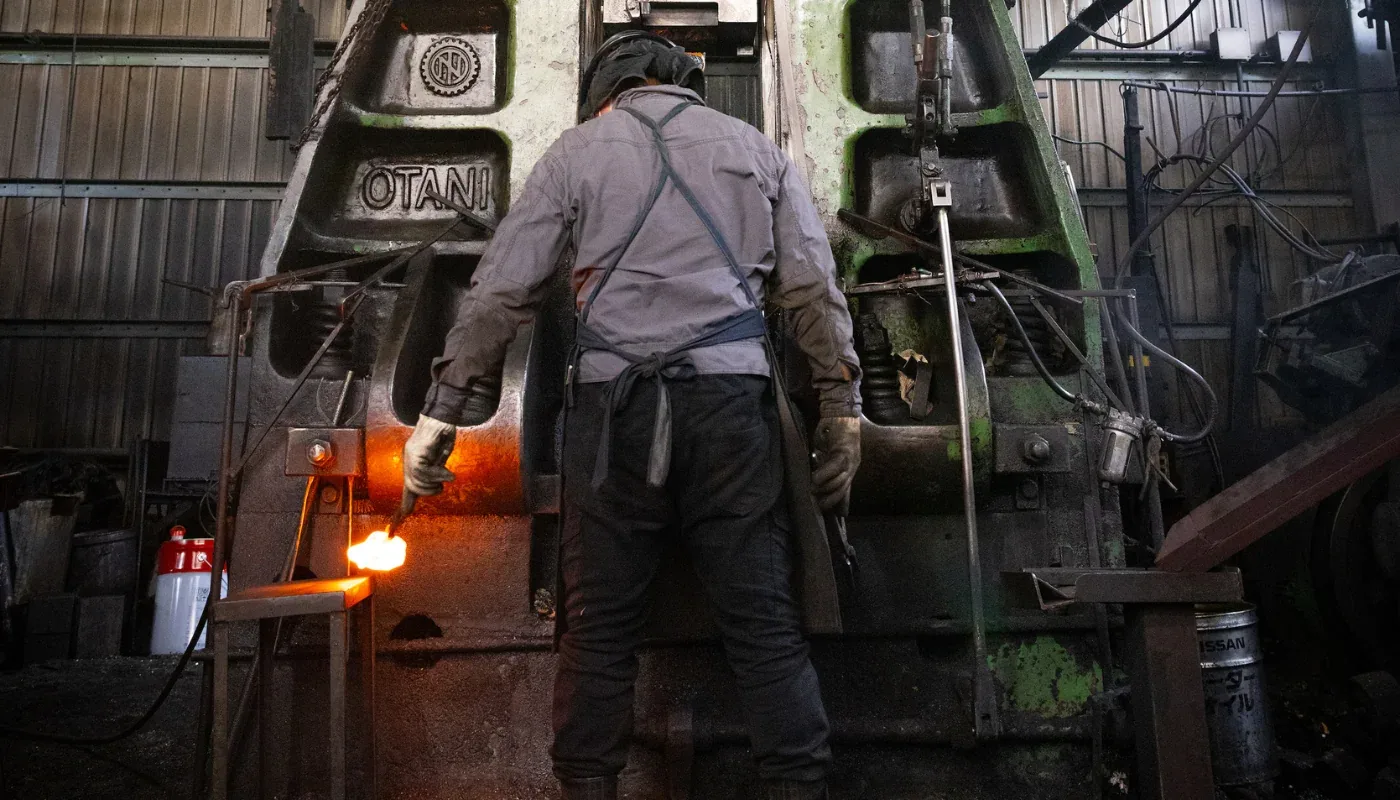
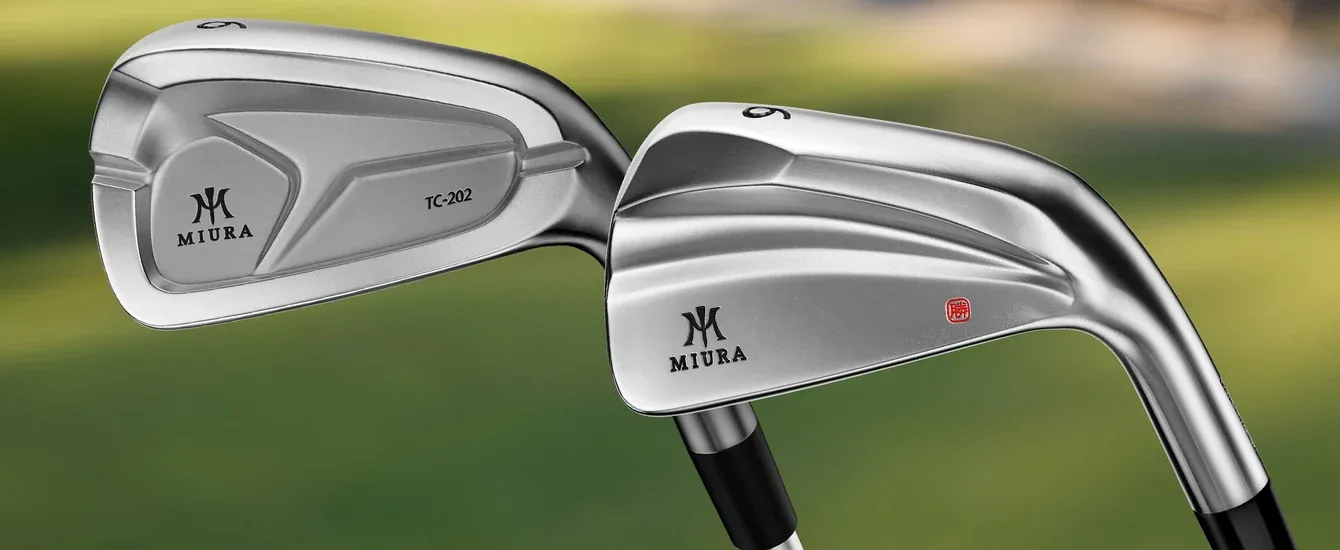
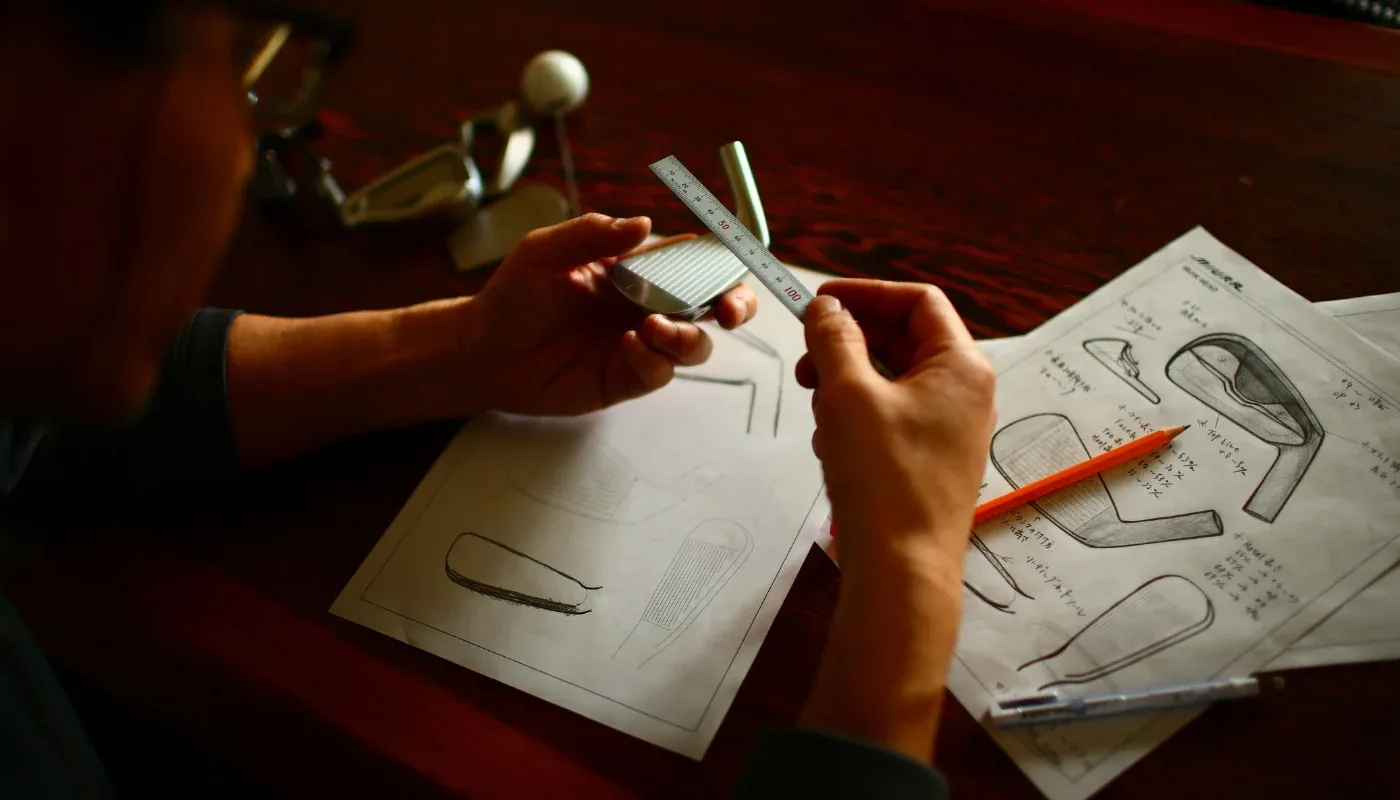
Miura's case rests on how its clubs are made. Each head is forged and finished at the family's own factory in Himeji, and Miura says every club passes through the hands of the founder or one of his two sons before it leaves. The brand describes its goal as refinement rather than size, and its release schedule reflects that: Golf Digest noted that the TC-201 irons were five years in the making and their successor, the TC-202, took another six. MyGolfSpy has reported that Miura only introduces a new model when it is demonstrably different and better.
That makes Miura a good buy for a better player who wants a forged blade or players cavity-back built to tight tolerances, and who will keep the set for years. It makes less sense for a golfer chasing distance, who may be better served by the hollow-body and multi-material irons the major brands build for that purpose. Forgiveness is not what Miura is built on.
Who Is Behind Miura Golf?
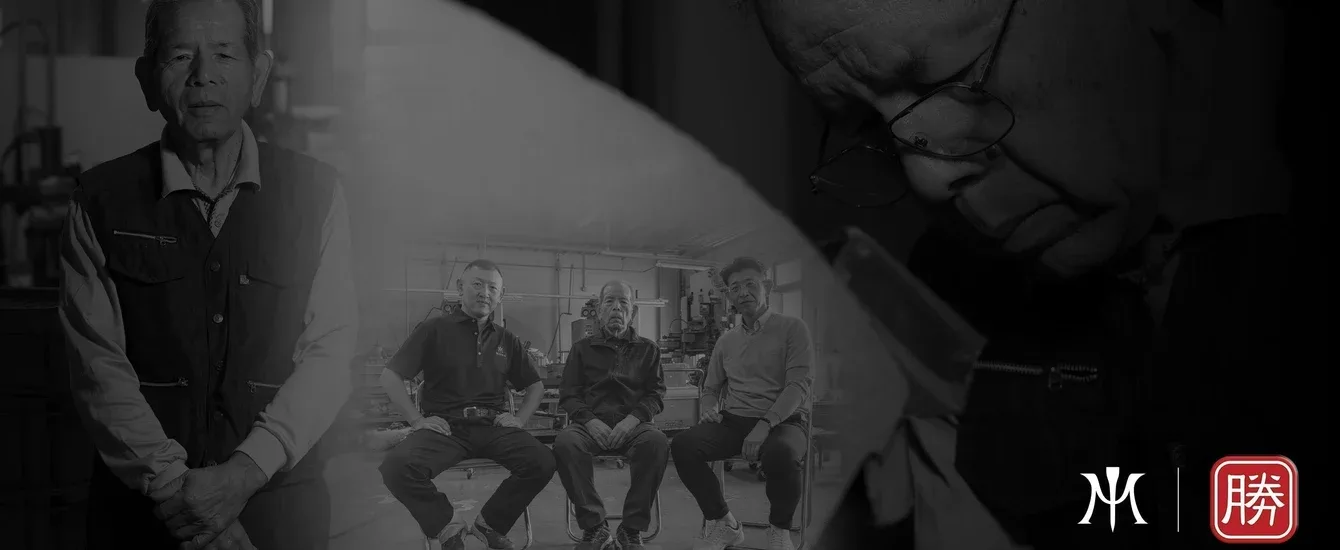
Katsuhiro Miura began forging golf clubs in Himeji, Japan, in 1957. MyGolfSpy notes the area had long been known for samurai sword making. He trained his two sons, Yoshitaka and Shinei, in the craft, and Miura has described Shinei as leading the Himeji factory that carries the family name.
Part of the family's reputation came from forging for others. MyGolfSpy has reported that Miura forged clubs for other manufacturers' premium lines, and GolfWRX has reported that those included forged irons for Nike and TaylorMade. Golf Digest noted in 2011 that many Miura-forged irons had reached PGA Tour bags under more familiar brand names. K.J. Choi won the 2011 Players Championship with Miura CB-501 irons.
The brand calls its products "the world's finest forged golf clubs." That is Miura's own description rather than an independent verdict, but it captures the positioning: Miura has said it never set out to be the largest club maker in the world.
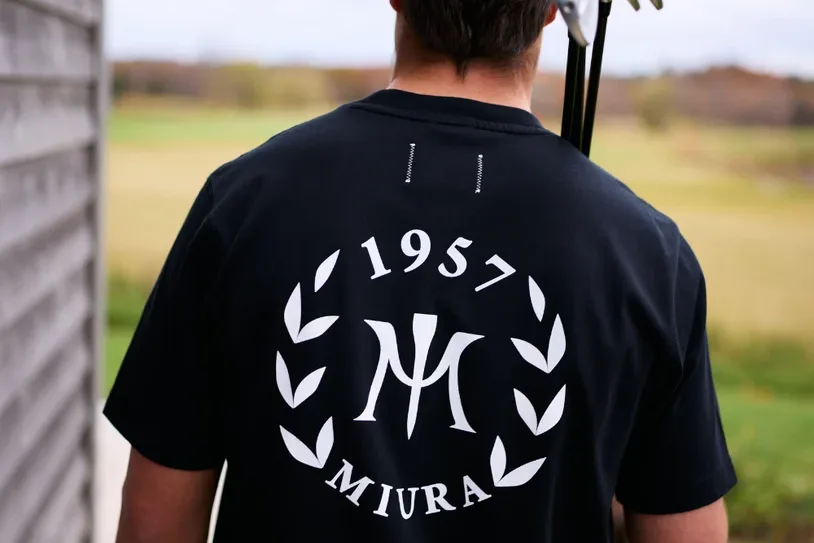
The brand has stepped outside golf only once. In May 2024 Miura and Vancouver athleticwear label Reigning Champ released a joint collection, which Miura described as its first collaboration with a brand outside the golf space: apparel and hats carrying a shared logo with Miura's 1957 founding year, alongside a one-of-a-kind set of hand-forged MB-101 irons stamped with both marks.
Who Owns Miura Golf?
Two different things, and the distinction is often missed.
The Miura family still owns and runs the forge in Himeji. In January 2017, the Milstein family, led by New York banker Howard Milstein, acquired the global rights to distribute Miura Golf, and installed Hoyt McGarity, founder of the club-fitting company True Spec Golf, as president. McGarity put the arrangement simply to LINKS Magazine: "We just own the distribution rights."
Milstein later placed his golf holdings into a holding company, 8AM Golf, whose portfolio now includes Miura alongside GOLF Magazine and True Spec. In February 2026, 8AM Golf also took a significant stake in the golf shoe brand Payntr. Miura Giken, the name once used for Japan-specific models, was to become a line of limited and small-batch runs under the Miura brand, according to the company's plans at the time.
What Do Miura Irons Cost?
Prices on Miura's own store as of October 2026, per club:
| Model | Price per club |
|---|---|
| MB-101 | $310 |
| Left-handed TB-901 and CB-801 | $310 |
| Forged Wedge Series, Y Grind | $320 |
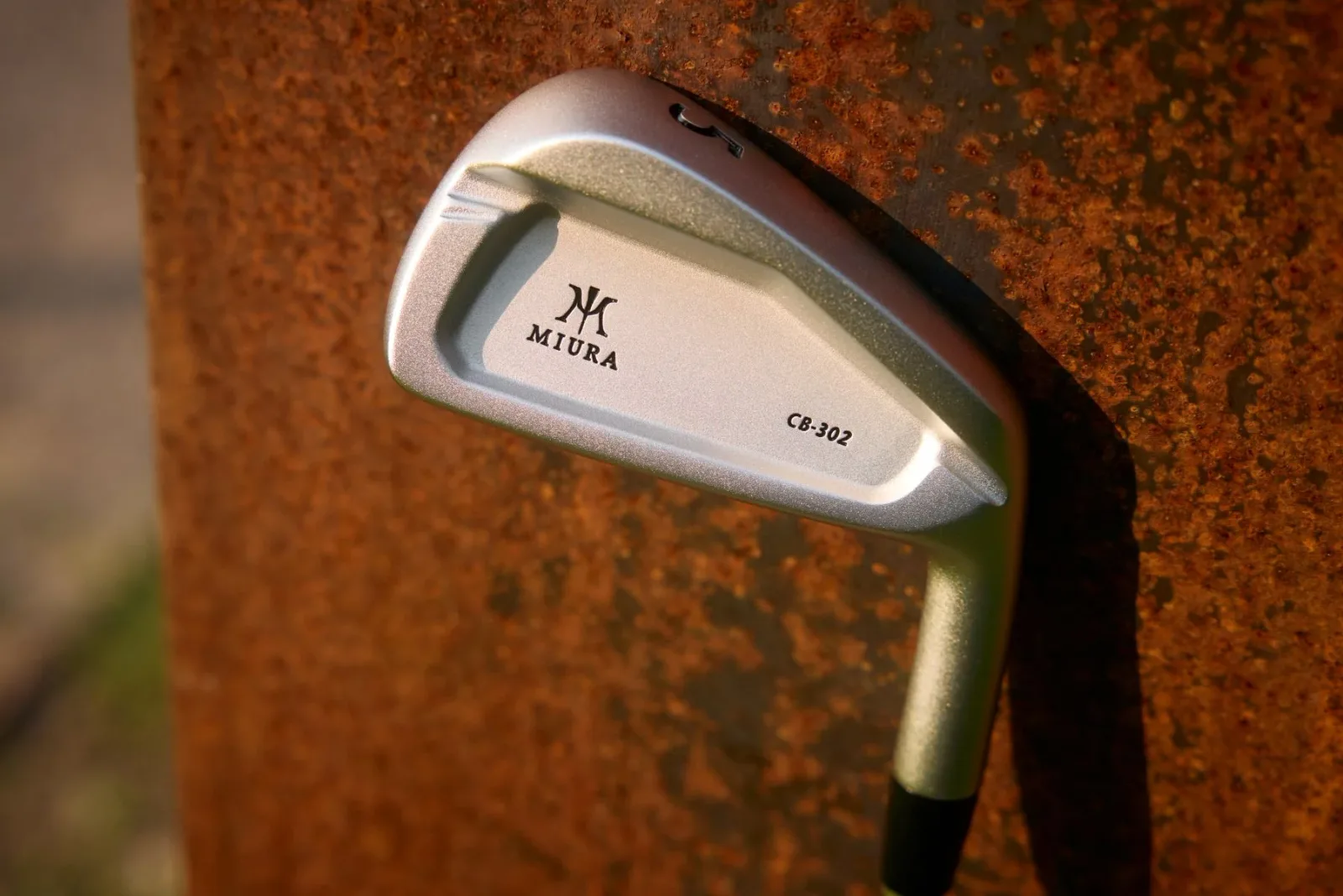
| CB-302, TC-202, IC-602, MC-502, PI-402 | $350 |
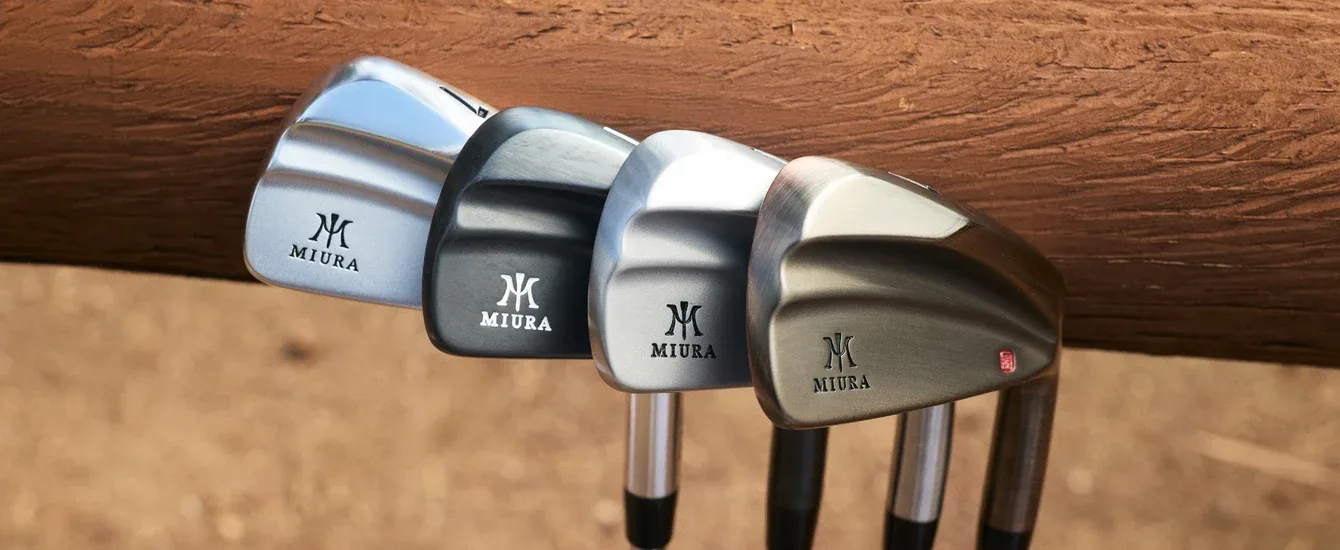
| MB-101 QPQ (black finish) | $380 |
| KM-700 | $400 |
| CB-302 QPQ, TC-202 QPQ (black finish) | $410 |
| KM-700 QPQ (black finish) | $450 |
A seven-club set of MB-101 irons is $2,170, and the same set of CB-302 or TC-202 irons $2,450. Golf Galaxy stocks Miura sets at the same prices.
For comparison, Honma's Tour World TW777 PCB Max irons are listed at $1,125 and its three-star BERES 10 irons at $5,940. Miura has also reached into collector territory, with left-handed irons priced like collector pieces and a $1,250 KM-008 reissue.
Why Are Miura Irons So Expensive?
Because the cost of making them is high and the volume is low.
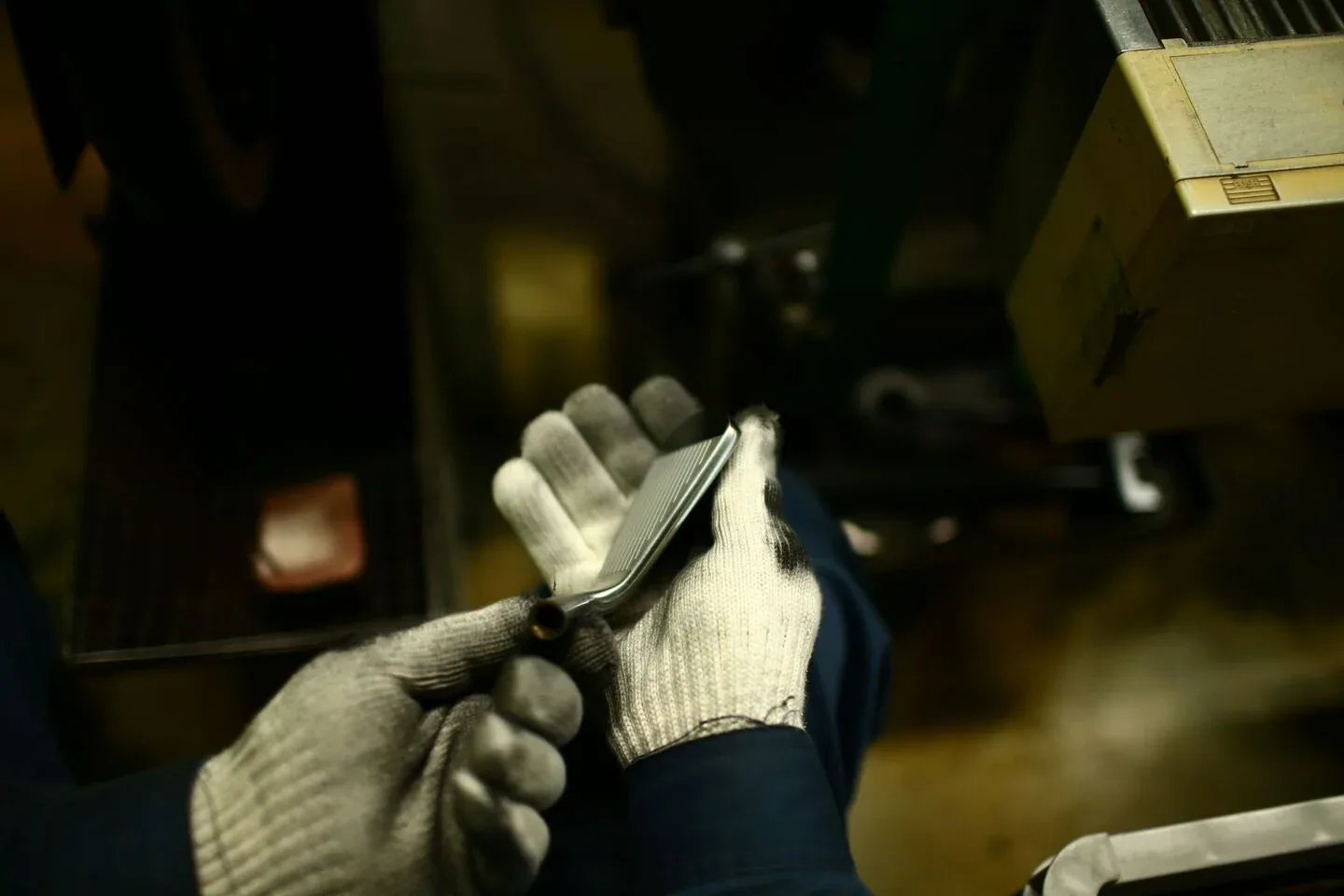
Each club is forged and finished individually at the family's own factory, in small volumes, and Miura says special forging techniques give its steel a fine, uniform grain without the voids that can affect feel. That claim is the brand's own. What is not in doubt is the cost structure: a single small factory doing this work by hand cannot spread its costs across the volumes the major brands sell.
The slow release cycle also means a Miura model stays current for years, with a new iron family arriving every five or six years.
Which Tour Players Use Miura?
Very few.
Of the 300 tour bags DORMIED tracks, five carry Miura clubs. Lucas Herbert has TC-202 and MB-101 irons and Morgan Deneen MB-101 irons, both from bag snapshots taken in the last three months. Thongchai Jaidee carries IC-602 and TC-201 irons and a Miura wedge, Abraham Ancer TC-201 irons and an HB-10 wedge, and Charl Schwartzel MB-001 irons, though those three snapshots date from between 2021 and 2024.
How Is Miura Trending on the DORMIED Index?
| Metric | Value |
|---|---|
| Global DORMIED Index rank | 20th of 215 |
| DI score | 16.5 |
| Monthly global searches | 33,100 |
| Month-over-month change | -18.3% |
| Three-month change | -18.3% |
| Rank and searches a year earlier | 20th, 33,100 |
Source: DORMIED Index, September 2026 snapshot. The DI score is a brand's global search interest relative to the most-searched golf brand, which scores 100.
Twentieth of 215 with 33,100 searches a month is a strong position for a maker this small, with around 30 club models on its own store, and it has held exactly that rank and volume for a year. September's 18.3% fall was milder than the 30.8% seasonal drop across the whole Index, and the DI score rose from 13.5 to 16.5 over the year because the most-searched brand's number fell, not because more people were searching for Miura.
What Do People Ask About Miura Golf?
Are Miura irons worth it?
For a player who values forged feel and consistency and will keep a set for years, yes. For a golfer mainly chasing distance and forgiveness, the major brands offer more of both for less money.
How much are Miura irons?
About $310 to $450 per club as of October 2026. A seven-club MB-101 set is $2,170 and a CB-302 or TC-202 set $2,450.
Where are Miura golf clubs made?
At the Miura family's factory in Himeji, Japan.
Who owns Miura Golf?
The Miura family owns and runs the Himeji forge. The global distribution rights were bought in 2017 by the Milstein family, and Miura now sits in the portfolio of their holding company, 8AM Golf.
Who founded Miura?
Katsuhiro Miura, who began forging golf clubs in Himeji in 1957. His sons Yoshitaka and Shinei work in the business.
Do any tour players use Miura irons?
Five of the 300 tour bags DORMIED tracks carry Miura clubs, including Lucas Herbert and Morgan Deneen.
Does Miura make left-handed irons?
Yes. The TB-901 blade and CB-801 cavity-back are offered left-handed at $310 per club.
Why are Miura irons so expensive?
Each club is forged and finished individually at the family's own factory in small volumes, which keeps the cost of making them high, and new iron families arrive only every five or six years.