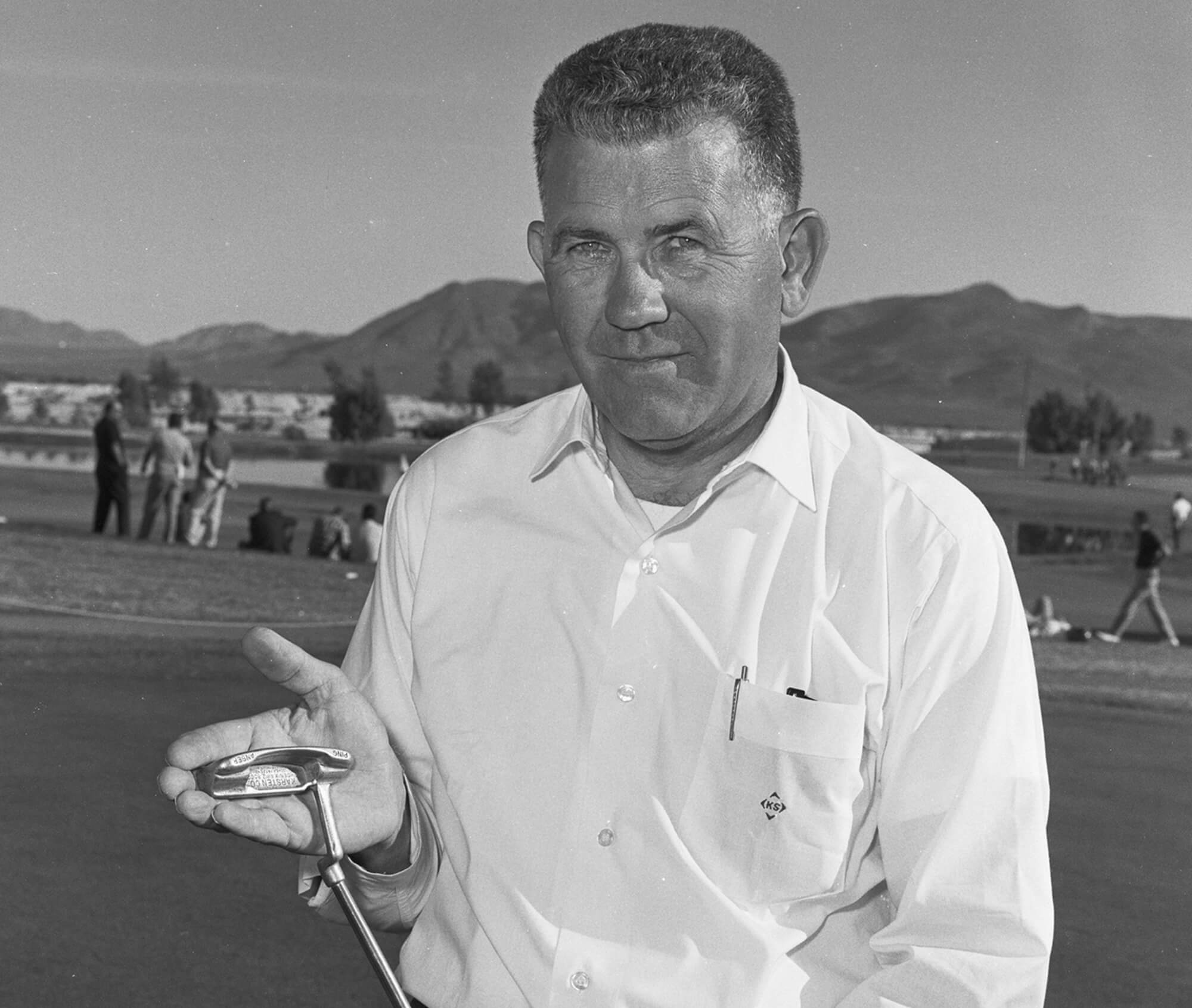
Dunlop passed on buying PING sometime before 1966. That single decision, made in a conference room nobody remembers, is arguably the most consequential non-transaction in golf equipment history.
What Happened When PING Nearly Sold to Dunlop?
John A. Solheim confirmed the near-sale in a recent MyGolfSpy conversation. Karsten and Louise Solheim were shopping the company to Dunlop in the mid-1960s, before the Anser putter existed, before the K-1 irons, before the Eye 2, before every innovation that turned a garage operation into a family dynasty now in its third generation. Dunlop walked. What followed was six decades of category-defining product, from the perimeter-weighted iron to the color-code fitting system to the current G440 driver line.
The counterfactual is worth sitting with. Dunlop's golf division spent the next fifty years as an afterthought, eventually absorbed into Srixon-Cleveland under Sumitomo Rubber. The Anser shape, the most-copied putter design in the game, would have belonged to a conglomerate that never figured out how to sell it. Titleist's Scotty Cameron line, which is essentially an Anser derivative, exists because Karsten Solheim owned the IP and licensed the aesthetic into the public consciousness. Change the 1965 buyer and the entire putter category looks different.
Why Won't the Solheim Family Sell PING Today?
John A. also mentioned that one company still checks in periodically about acquisition interest. He didn't name it. The list of plausible buyers is short: Acushnet, Callaway, Sumitomo, or a private equity firm with an existing golf platform. John K. Solheim, now CEO, was blunt about why the answer stays no. Private equity wants to quadruple returns in four years. Golf equipment doesn't grow that way. It's a mature category with single-digit unit growth in good years and contraction in bad ones. The Solheims understand what a PE owner would do to R&D timelines and tour staff budgets, and they're not interested in finding out.
That discipline shows up in the product cycle. PING runs a two-year iron refresh cadence while TaylorMade and Callaway push annual launches. The G430 stayed on shelves longer than most competitors would tolerate. The current global rank of 20 with a soft May, down 18 percent month-over-month, reflects a brand between launches rather than one losing relevance. PING's WITB counts on the LPGA remain among the highest in the game, and the iBlade and Blueprint tour irons continue to see uptake among ball-strikers who don't chase the marketing cycle.
How Has PING Survived Family Business Succession?
The family-business angle is easy to romanticize and harder to sustain. The graveyard of golf brands includes plenty of second-generation failures: Ben Hogan, MacGregor, Wilson's decades in the wilderness before the recent revival. What PING has that those didn't is a succession plan executed twice without a public rupture, an engineering culture that outlasts any single CEO, and a manufacturing footprint in Phoenix that gives the company control most competitors outsourced away in the 2000s.
The question worth asking is what happens when the next generation faces a market that looks nothing like the one Karsten built for. DTC fitting, launch monitor democratization, and the Club Champion consolidation of independent fitting have restructured how premium irons get sold. PING's dealer network, historically its moat, is now competing with fitting studios that carry every brand. John K. inherits a company with better products than problems, but the problems are structural. The next five years will test whether the family model that survived the Dunlop offer can also survive a retail channel that no longer looks the way it did when the Hoofer shipped.