Odyssey putters are having a bifurcated 2026. Across nearly 50,000 putts of MyGolfSpy Most Wanted data, the brand's zero-torque line finished first out of 26 in its category. Its mallets, the segment Odyssey has owned in the amateur consciousness since the original Two Ball dropped in 2001, finished 20th and 28th out of 29.
How Did Odyssey Putters Score in MyGolfSpy 2026?
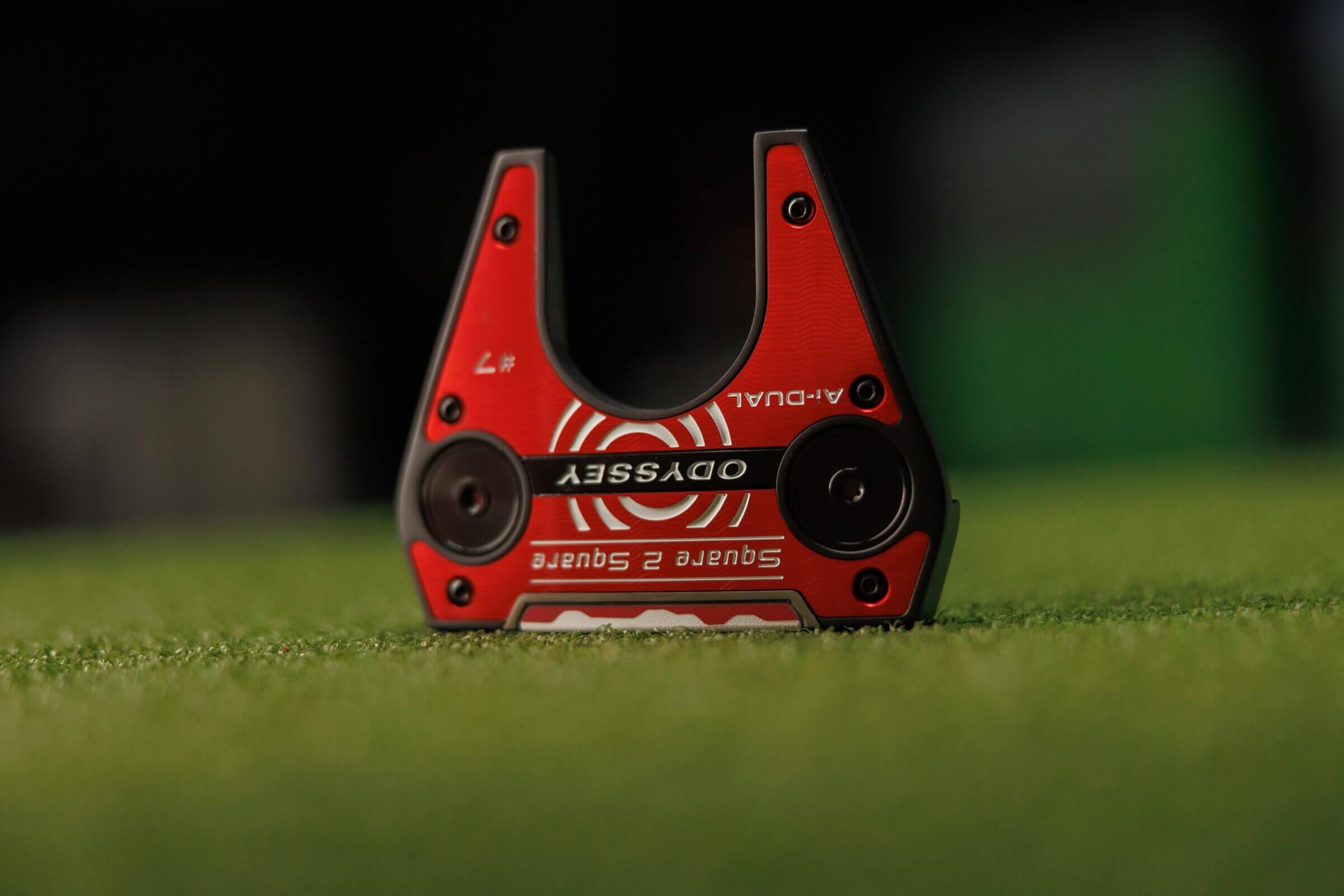
The Ai-Dual S2S #7 posted a PuttView handicap of negative 8.1 and a 48.9 percent make rate, topping every zero-torque putter tested. The S2S Tri-Hot Jailbird came in sixth. The AI-Dual DW and AI-Dual #1 blades landed 16th and 17th of 24. The #7 1/2 Ball mallet finished second to last in its category, with a long-range PuttView score of negative 3.4 that was the worst in the field. Bettinardi's BB 6.0 and BB 7.0 led the mallet category with make rates above 45 percent.
That last data point is the one worth sitting with. Odyssey built the modern mallet category. The Two Ball franchise, the White Hot insert, the #7 head shape: these are the reference points every other mallet OEM has spent 20 years responding to. Watching Bettinardi, a boutique milled-putter house that historically played in the blade and premium mallet lanes, outperform Odyssey mallets by five make-rate points in independent testing is the sort of result that would have been unthinkable in 2015.
Why Did the Ai-Dual S2S #7 Win Zero-Torque Testing?
The zero-torque win is real and deserves its own framing. Zero-torque as a category barely existed as a mainstream conversation before L.A.B. Golf forced the issue, and the fact that Odyssey has built an entry that beats the field on the metrics that matter says the R&D operation still knows how to respond when a competitor opens a new front. The S2S #7 was the best short-range putter in the category and also posted the strongest long-range score across all six Odyssey models tested. That is category-leading performance, not a marketing line.
But a Callaway-owned brand that finishes 28th of 29 in its historical strongest category is a story about drift. The Ai insert technology that anchors the 2026 line is a genuine engineering claim, variable face milling designed via machine learning to normalize ball speed across strike location. Whether that claim translated into the mallet builds is the question the data raises. The #7 1/2 Ball's negative 3.4 long-range score suggests the head shape and insert pairing did not solve for distance control the way the zero-torque S2S variant did. Same technology story, different results.
Who Is Pressuring Odyssey Mallet Performance Now?
The broader read: Odyssey's premium putter position is under pressure from two directions. Bettinardi and Scotty Cameron are winning the milled and mallet performance conversations in independent testing. L.A.B. and the zero-torque cohort are defining a new movement category that Odyssey now has to defend into rather than lead. A DORMIED global rank of 71 for a brand of Odyssey's size and heritage is not where Callaway wants this business sitting.
The zero-torque win gives Odyssey a story to tell for the back half of 2026. Whether the brand can port whatever worked on the S2S #7 into the next mallet refresh is the actual test. Right now the Ai-Dual mallet builds look like a technology platform that has not been fully solved for the head shapes that made Odyssey a household name. That gap closes with the next launch cycle, or it becomes a trend.