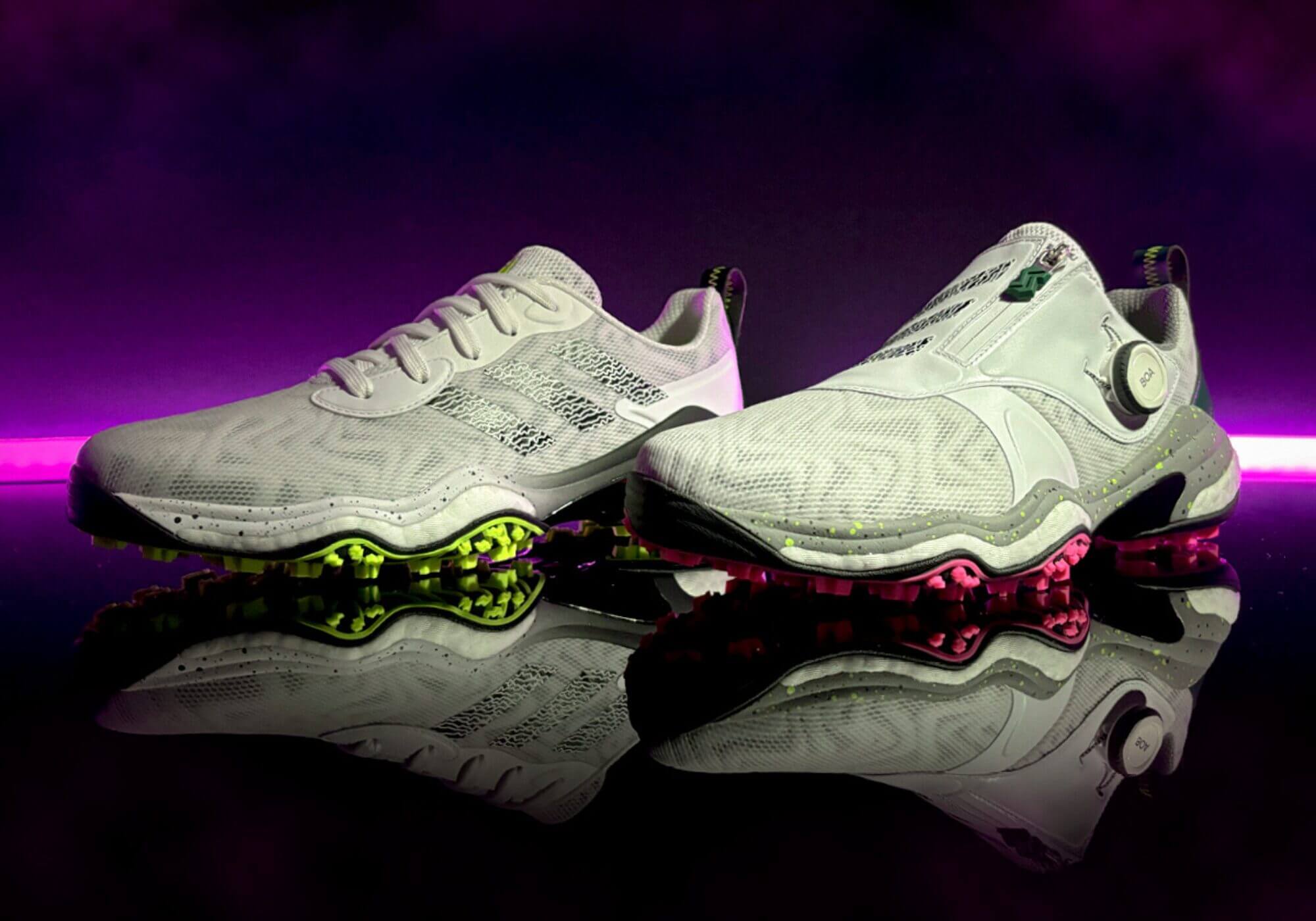
A shoe two generations out of date just got named one of the three spikeless golf shoes worth owning, and it was made by the same company that would prefer you buy the current one. MyGolfSpy's short list of spikeless picks includes the adidas CODECHAOS 25, described as one of the best spikeless shoes of all time, despite the CODECHAOS 27 already sitting on shelves.
Which Are the Best Spikeless Golf Shoes 2026 Testing Picked?
The rest of the list is instructive. FootJoy's Pro/SL took Best Spikeless in the 2026 Most Wanted testing at $185, with testers calling it the best-fitting golf shoe on the planet and pointing at the nylon forefoot plate as the reason it stays stable without a single cleat. Skechers Pure SL came in at $130 with waterproofing that holds up and traction that reportedly gives out under a fast swing. Three shoes, three price tiers, and the adidas entry is the one you now buy on markdown.
That is the structural problem with the spikeless category, and adidas is the brand most exposed to it. Spiked shoes have a defensible story: cleat geometry, replaceable hardware, a performance claim you can measure. Spikeless is a comfort and outsole-pattern business, which means the improvements are incremental and the previous generation stays genuinely good. When a company runs an annual cadence on a product like that, its most dangerous competitor is its own clearance rack. The CODECHAOS 25's dual-foam build, LIGHTSTRIKE under BOOST, was not a new idea when it launched, but it was executed properly, and executed properly does not expire in 24 months just because the marketing calendar says it should.
What Is Adidas Golf's Footwear Strategy Missing?
Worth noting who the press release actually names: Kelly Kikuta, the designer behind the CODECHAOS line. Golf apparel and footwear has spent a decade borrowing from sneaker culture without borrowing the one thing sneaker culture built its entire secondary market on, which is the named designer as a reason to buy. Nike has done this since Tinker Hatfield. Golf has mostly presented shoes as anonymous engineering output. A recommendation piece crediting the designer by name, and treating a two-year-old model as a canonical release rather than dead stock, is what a sneaker publication sounds like. That is the cultural shift adidas Golf is best positioned to exploit, because it is the only golf footwear brand with a genuine lifestyle sneaker parent company standing behind it.
It is not currently exploiting it. Adidas Golf sits 25th of 215 brands on the DORMIED Index with a score in the low teens and a month-over-month move of minus 18.3 percent, which for a company of its scale reads less like decline than like absence. The footwear is respected. The commentary around it is respectful. The brand conversation, the part that drives search, resale interest and the kind of drop anticipation that Malbon and Sun Day Red generate on far thinner product, is being run by everyone else. FootJoy owns the fitting conversation. Skechers owns the value conversation and has quietly earned the right to be taken seriously at $130, which is a sentence nobody would have written in 2018.
How Should Adidas Golf Price the CODECHAOS 25?
The opportunity is to stop treating CODECHAOS like a model year and start treating it like a line with a back catalog. Sneaker brands keep retro colorways alive for a decade and charge full price for them. Golf brands mark them down to $99 and pretend they never happened. Adidas has the archive, the designer, the foam technology and the parent-company machinery to run the first real golf footwear catalog strategy, and instead it is competing against a 2025 shoe that reviewers still prefer.
Watch what happens when the CODECHAOS 27 gets its own third-party testing results. If the 25 stays in the recommendation column and the 27 does not, adidas will have proven the point itself: the cadence is the problem, not the product. The fix is not another shoe. It is admitting the last one is still good and pricing it accordingly.