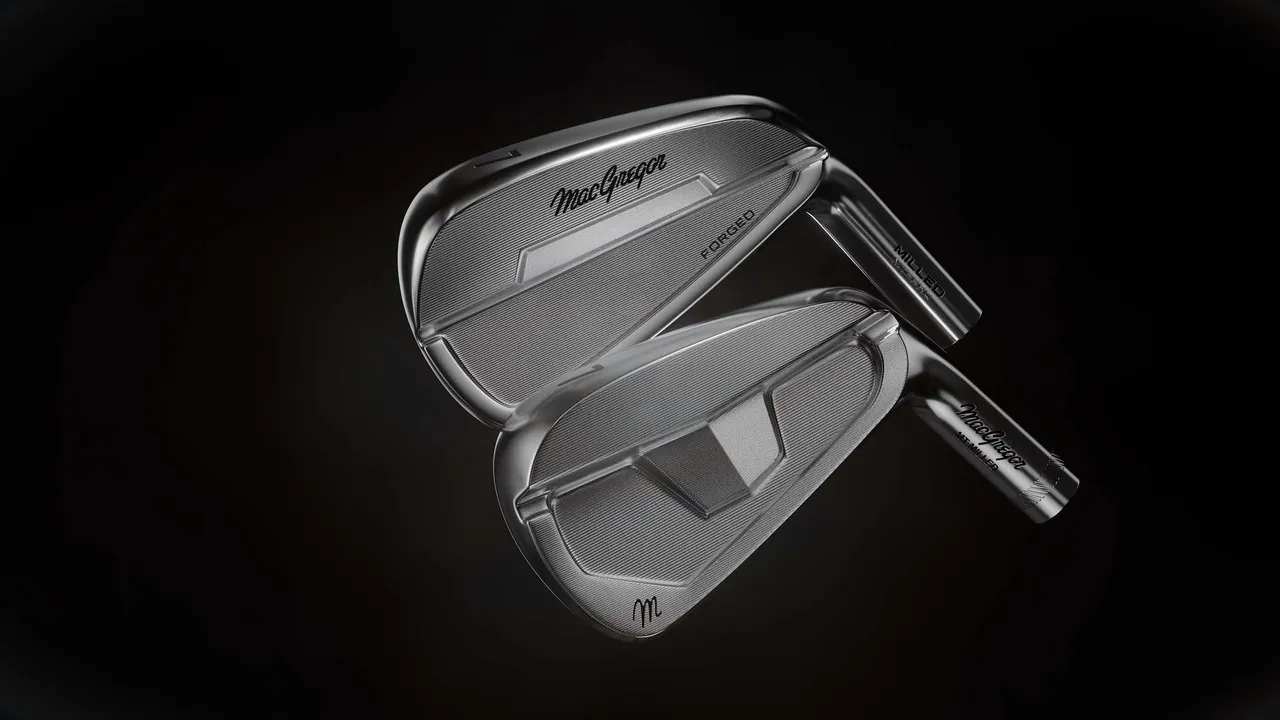
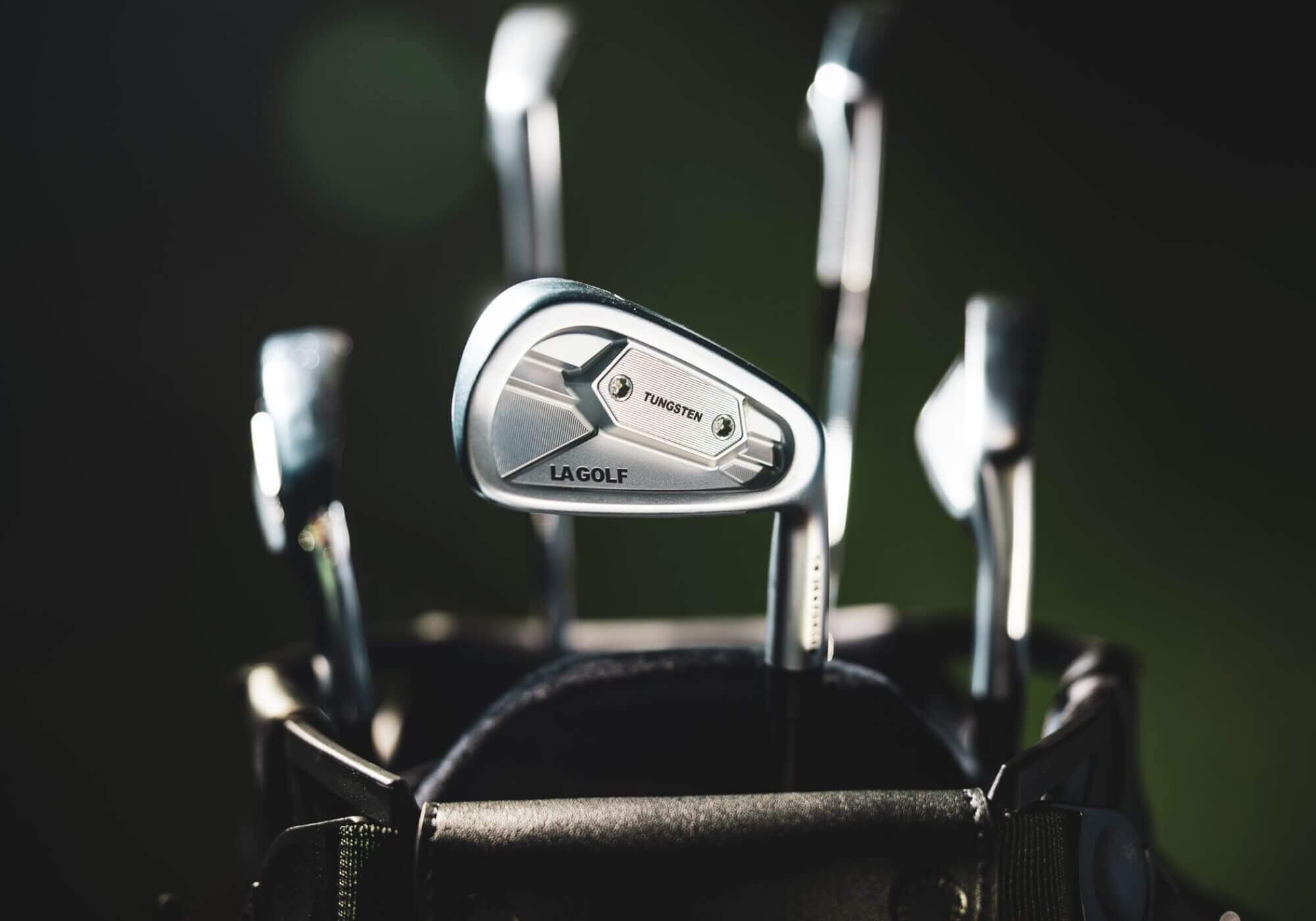
Winning a Most Wanted category and then not being purchasable is a rare combination. LA Golf's CB-26 posted a 9.8 accuracy score in MyGolfSpy's 2026 Most Wanted Player's Iron test, the highest mark in a 15-iron field, and finished third overall with an 8.9 composite. It also finished dead last in distance at 7.6, which in this category is closer to a design signature than a flaw. The problem is downstream of the results: following the company's restructuring in early 2026, LA Golf began pulling clubs and components out of fitting retailers, which is why the outlet added a fourth-place finisher to the list just to make it actionable.
Which Irons Led the Most Wanted Player's Iron 2026 Test?
Accuracy carries 50 percent of the score in that test, which is the correct weighting for a category where nobody is shopping for a 7-iron that flies 12 yards farther than the last one. Three irons cleared 9.5 in accuracy. LA Golf's CB-26 led. Ballistic's CB was second at 9.6 with a 9.0 forgiveness score and second overall at $799.99. Wilson's Staff Model XB was third at 9.5 and fifth overall, in the same season the DYNAPWR Forged won the Player's Distance Iron test. Ping's i240 landed fourth at 9.0 accuracy with matching 9.0 forgiveness. None of the accuracy leaders were long. That is the actual finding, and it should reframe how anyone reads a player's iron spec sheet.
The more interesting story is what LA Golf's win says about the company's shape. LA Golf built its name on shafts, on graphite iron shafts nobody else was willing to sell at volume, on the P-Series putters, and on being the brand that Bryson DeChambeau's bag validated in public. Full club lines were the expansion bet. Pulling components from fitting accounts in early 2026 is the tell that the expansion outran the balance sheet, and it happened in the exact window when the product finally tested at the top of a category. Getting the engineering right and the distribution wrong is not a new failure mode in this business. Nike's golf division exited hardgoods in 2016 with product that tour players genuinely liked. Distribution is what kills equipment companies, not CAD.
What Does the LA Golf Restructuring Cost Fitters?
There is a real cost to a fitter here that gets underweighted. When a brand withdraws components, it does not just lose a sales channel, it loses the only place its irons get put in a golfer's hands next to a Ping i240 and a Titleist T-series head. Fitting bays are where player's irons are actually sold. The CB-26 now owns the most credible accuracy result of the model year and has almost no way to convert it. Ballistic, a name most readers would struggle to place in a lineup, is the beneficiary. A second-place overall finish at $799.99 with a distribution path is worth more commercially than a first-place accuracy score without one.
The visibility numbers reflect a brand being talked about, not necessarily a brand selling clubs. LA Golf sits eleventh of 215 on the DORMIED Index with a 49.5 percent month-over-month move, which is what happens when your name appears at the top of a widely syndicated test list attached to the phrase "isn't available through normal retail channels." Attention and availability are different assets. Only one of them books revenue.
Will LA Golf Narrow to Shafts and Putters?
What to watch is whether LA Golf treats the CB-26 result as a reason to rebuild the fitting channel or as validation for going narrower: shafts, putters, direct sales, custom orders at margin. The second path is the more likely one, and honestly the more defensible given the restructuring. But it means the most accurate player's iron of 2026 becomes a footnote instead of a product line, and the next brand that tests this well will be the one with 400 fitting accounts and a lesser number in the accuracy column. That trade happens more often than the testing data suggests it should.