Ten years of MyGolfSpy Most Wanted Driver testing produced four PING winners, three Callaway winners, two TaylorMade winners and one Srixon. Rank those brands by driver market share over the same decade and the order comes out almost exactly backwards. That gap between independent test wins and retail dominance is the most useful thing in the whole retrospective.
How Did the TaylorMade Qi4D Win Most Wanted Driver?
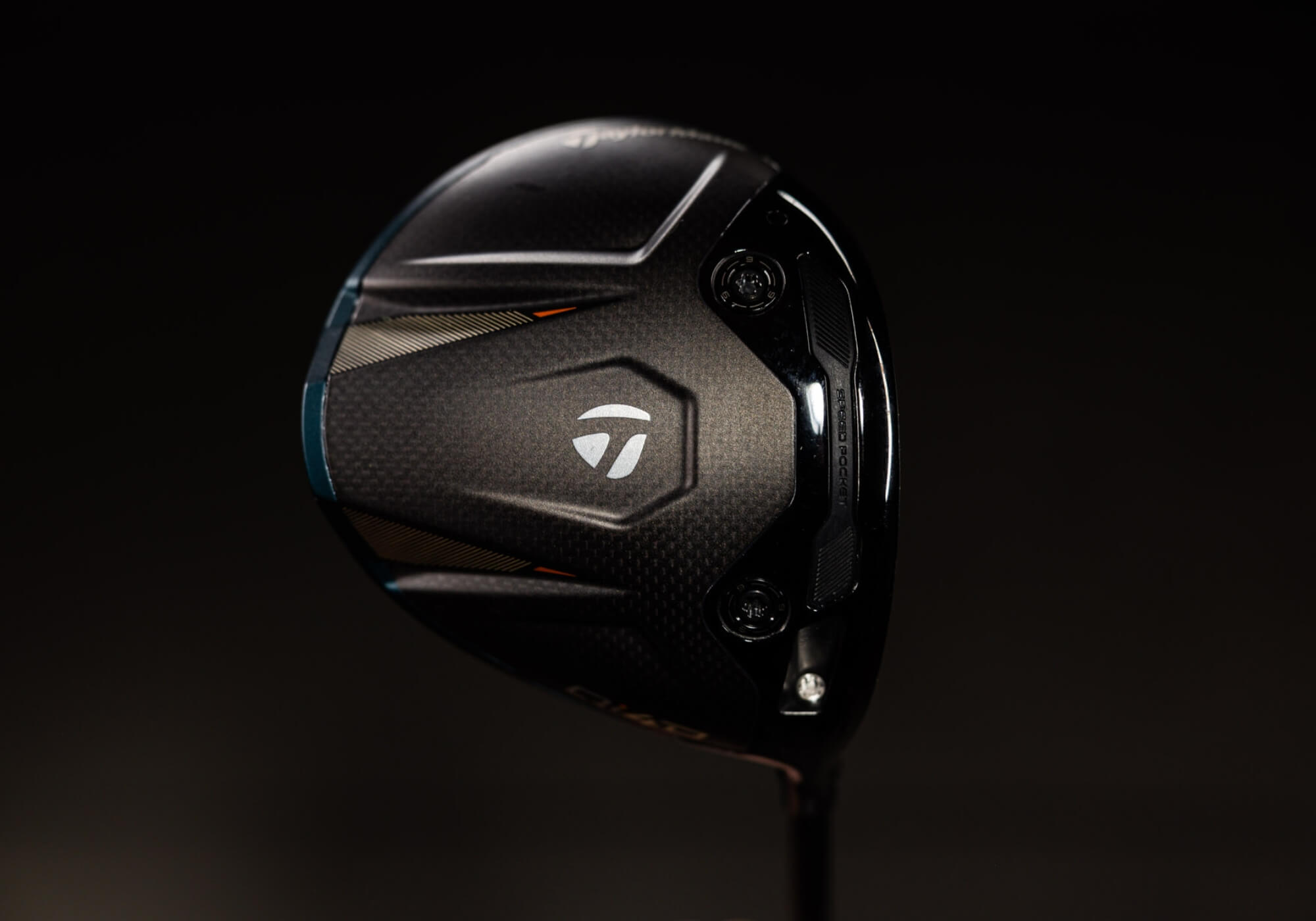
The list itself, published as a used-market buying guide, runs from the 2017 Srixon Z565 to the 2026 TaylorMade Qi4D. The Qi4D won the most recent test not by leading anything but by refusing to be bad at anything: sixth for distance, fourth for accuracy, fourth for forgiveness. There was no category where testers could point at a hole. That is a specific design philosophy, and it is a different one than TaylorMade ran in 2023, when the Stealth 2 Plus won on the back of a second-place distance finish while forgiveness was its obvious weak spot. The company won twice in a decade with two nearly opposite briefs.
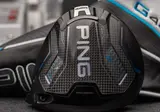
PING, by contrast, won four times with the same brief every time. The G400 LST in 2018, G410 LST in 2020, G425 Max in 2022 and G430 MAX 10K in 2024 all won on accuracy and dispersion rather than ball speed. The G425 Max finished 19th of 38 for distance and still took the title. The G430 MAX 10K posted a 9.7 accuracy score, the highest in that year's field, and distance was its lowest-rated category. Four wins, zero of them built on being the longest driver in the test. PING has been running the least fashionable pitch in the category for a decade and quietly collecting the trophies.
What Does a MyGolfSpy Most Wanted Driver Win Measure?
What has changed is what a win even measures. The 2019, 2020 and 2021 winners, the Epic Flash Sub Zero, G410 LST and Epic Max LS, all topped Strokes Gained. The Epic Max LS nearly doubled the Strokes Gained figure of its closest competitor and was the only driver in its high-speed group to hit 60 percent of fairways, despite not being among the leaders in ball speed. Its win happened after impact, not at it. The 2026 result is a composite-score win instead. Same trophy, different scoreboard, which is exactly why the retrospective carries the caveat that these ten drivers were never tested against each other.
The business read matters more than the leaderboard. A Most Wanted win is worth real money in the enthusiast channel, and the writer's own framing is telling: some of these winners now sell for a fraction of their original price. The Stealth 2 Plus won in 2023, came back in 2024 and still finished fifth overall, then entered the used market at a discount that no new release can match on a dollars-per-yard basis. That is the structural problem sitting under every OEM's spring launch calendar. The most credible independent testing in golf keeps producing evidence that a three-year-old winner is a rational purchase, and the release cycle depends on golfers not acting on it. Titleist has managed that tension for years by holding its driver line to a two-year cadence. TaylorMade's answer has been volume and shelf presence, and it has worked well enough that two test wins in ten years has not cost the brand its rack position.
Why Is the TaylorMade Qi4D Win So Quiet?
TaylorMade sits second globally in the DORMIED Index this month at 81.7, down 18.3 percent month over month, which suggests the Qi4D win has already stopped generating conversation. That is the cost of winning on the absence of weaknesses: nobody argues about it. The carbon face still splits opinion on sound and feel, and that is now the loudest thing about the driver. If the next generation is designed to defend a composite score rather than lead a category, TaylorMade will keep winning quiet tests and losing the argument, which is a strange place for the loudest brand in golf to end up.