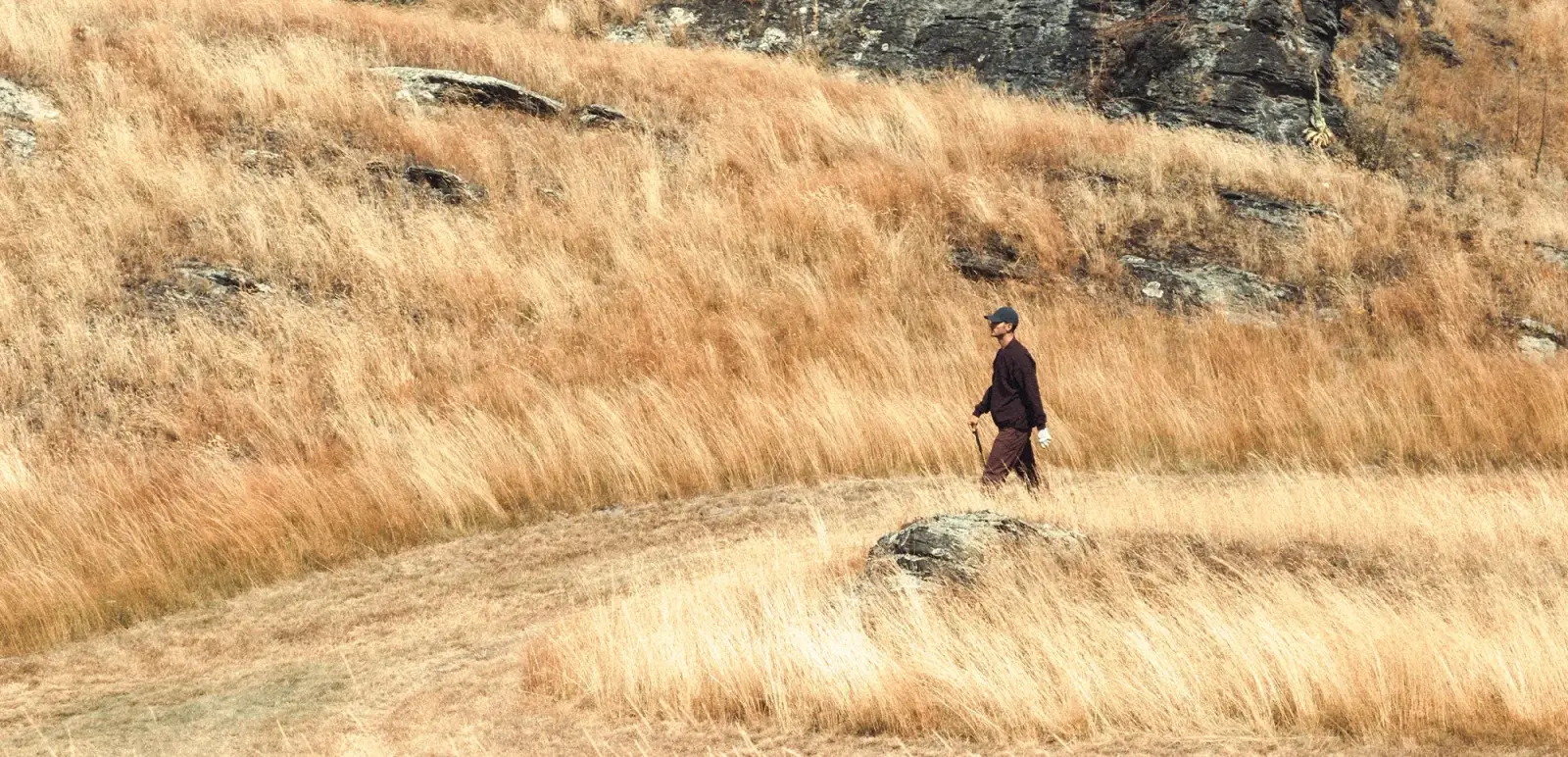

The entire argument for TRUE linkswear is that you forget the shoes are on your feet somewhere around the fourth hole and never think about them again, including at dinner. The Original 1.2, the model carrying the brand's founding name, is the one that makes you think about your feet constantly.
A new long-term review of the Original 1.2 from MyGolfSpy lands on a split verdict. The traction is the best in the TRUE lineup outside the Antigravity and the spiked models, built on rubberized lugs of mixed shape and size that run slightly larger than the brand's usual pattern. Waterproofing is strong and backed by a two-year warranty, which is the minimum you would expect from a company headquartered in the Pacific Northwest. Then the problems: the firm zero-drop platform turns punishing on cart paths, parking lots and anything rockier than fairway turf, the toe box is wide enough to look strange on a normal foot, and enough buyers report the fit running small that ordering a half size up has become standard advice.
Why Does TRUE Linkswear Still Struggle With Traction?
TRUE has been fighting the same physics since it launched. Zero-drop, minimally structured footwear is designed to let the foot move naturally. A golf swing asks the foot to resist rotation while the ground tries to take it. Those two goals pull against each other, and every TRUE outsole has been a negotiation between them. The Original 1.2 wins more of that negotiation than most of the catalog, but measured against the broader footwear category it still sits below average. Reviewers have been saying a version of this for a decade and the brand has not fully solved it.
The comparison worth making is not to FootJoy. It is to Altra and Vivobarefoot, companies that built real businesses on foot shape rather than performance claims, and that accepted a smaller and far more loyal customer as the cost of doing it. TRUE is in that business whether it says so or not. Its defensible asset is not cushioning technology or tour validation, it is being the place a wide-footed golfer goes after three pairs of standard-last shoes have ruined his feet. That is a durable niche. It is not a large one.
Is the Original 1.2 Still the Right Shoe for TRUE's Customer?
Here is the structural problem with the Original 1.2 specifically. TRUE's growth over the last several years has come from shoes you can wear to the bar, to the grocery store, to a movie, the spikeless lifestyle lane where G/FORE, Cuater, FootJoy's Premiere line and every athletic brand with a golf division are now fighting. The Original 1.2 is the one model in the range that actively resists that use. Wear it off grass and it hurts. The brand's founding silhouette no longer matches the brand's current pitch, which is what happens when a company outgrows the product that started it and keeps selling that product anyway.
That is not an argument for killing it. Heritage SKUs earn their keep by holding the original believers, the ones who found TRUE in 2011 because Ryan Moore was walking around in what looked like slippers. Those customers are not shopping the Antigravity. But TRUE sits 69th of 215 brands in the current index and slipped more than 18 percent month over month, and a catalog where the cheapest shoe to keep in production is also the one that contradicts the marketing is a catalog that needs editing.
The next real test is whether TRUE treats traction as a solved-enough problem or as the thing standing between it and a larger customer. The Antigravity proved the company can build a shoe that grips and cushions without abandoning the wide toe box. Apply that outsole work across the line and TRUE becomes a genuine alternative to the big four. Leave it where it is and TRUE stays what it has been: the best golf shoe in the world for about four percent of golfers, and a curiosity to everyone else.