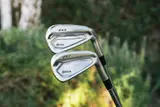
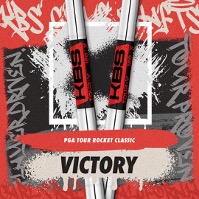
For roughly five decades, the wedge shaft was whatever the factory put in it. Dynamic Gold S400, stepped, 130 grams, no conversation required. Players who obsessed over iron shaft weight to the gram accepted a stock wedge shaft without comment, and fitters rarely raised it because there was nothing meaningful to fit into. That inertia is the entire business case for KBS, and it is why a wedge shaft credit out of the Rocket Classic is worth more to the brand than it looks.
Why Doesn't the KBS Golf Win Release Name the Player?
The news: the Rocket Classic winner played KBS Tour V 120X shafts in his TaylorMade wedges, and KBS is claiming the short game as the differentiator in the win. Standard component-brand victory release, with one notable omission. The player is never named. That is not sloppiness. Shaft, grip, and ball companies routinely issue win notices identifying the product and not the person, because the product was in the bag on merit rather than on retainer. There is no endorsement contract to promote, only a validation to bank. Anyone who has spent time in a tour van knows the distinction, and anyone reading a component press release should learn to spot it.
KBS exists because Kim Braly spent a career deciding what tour players should have in their hands. He ran R&D at True Temper, then designed the Rifle and Project X lines at Royal Precision, then launched KBS with FST in 2008 under his own initials. The Tour V arrived as a stepless, tip-stiff design aimed at a flatter, more controlled flight, and it was sold by weight before flex, 110, 120, 130, which quietly did more to change fitting language in steel than any marketing campaign of that era. Ask a fitter today what a player needs and the answer starts with a number in grams. That framing was not universal fifteen years ago.
Why Is Wedge Shaft Fitting KBS Golf's Entry Point?
The strategic reason the wedge matters more than the iron set is transactional. A full set of aftermarket iron shafts is a four-figure decision requiring a fitting, a build, and a reason to abandon a set the golfer already paid for. A wedge shaft is a single club, usually under a hundred dollars installed, and it can be sold on curiosity alone. It is the closest thing steel shafts have to a grip purchase: low friction, high margin, and repeatable. KBS understood before most competitors that the wedge is the cheapest possible entry point into the aftermarket relationship, and that a golfer who reshafts one 56 degree wedge is dramatically more likely to reshaft eight irons two years later. Tour validation in wedges specifically is therefore not a vanity credit. It is top-of-funnel work.
What it has not done is move the brand's broader visibility. KBS sits 51st globally in the DORMIED Index with a flat month over month reading, which tracks with how component brands actually behave in market. A single tour win in a non-major does effectively nothing to search volume, retail inquiry, or brand consideration for a shaft company. The mechanisms that move a component brand are tour van share reported in aggregate, WITB frequency across a season, independent testing results, and fitter preference at the Club Champion and Cool Clubs level. Those accumulate. Individual wins are the receipts, not the revenue.
Why Can't KBS Golf Market Steel Like Graphite Brands?
The interesting question for KBS over the next two seasons is whether it can convert wedge-shaft credibility into anything the consumer market recognizes without a marketing budget in the same weight class as True Temper's or Nippon's. Mitsubishi and Fujikura solved that problem in graphite by making the shaft the hero of the driver conversation. Steel has no equivalent moment, because nobody launches a new wedge shaft to a Times Square billboard. So KBS keeps doing what it has done since 2008: win in the club nobody thinks about, one bag at a time, and wait for the fitting bay to catch up. It has worked well enough to build a company. Whether it scales past that is the open file.