Limited-run putters are where left-handed golfers find out exactly where they rank. Small batches, high margins, one-handed production. The tooling math on a mirrored head almost never clears the hurdle, which is why the average Scotty Cameron release day or Bettinardi small-batch drop reads like a right-handed-only event.
Why Are Odyssey's Left-Handed Putters Priced the Same?
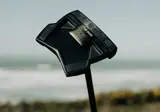
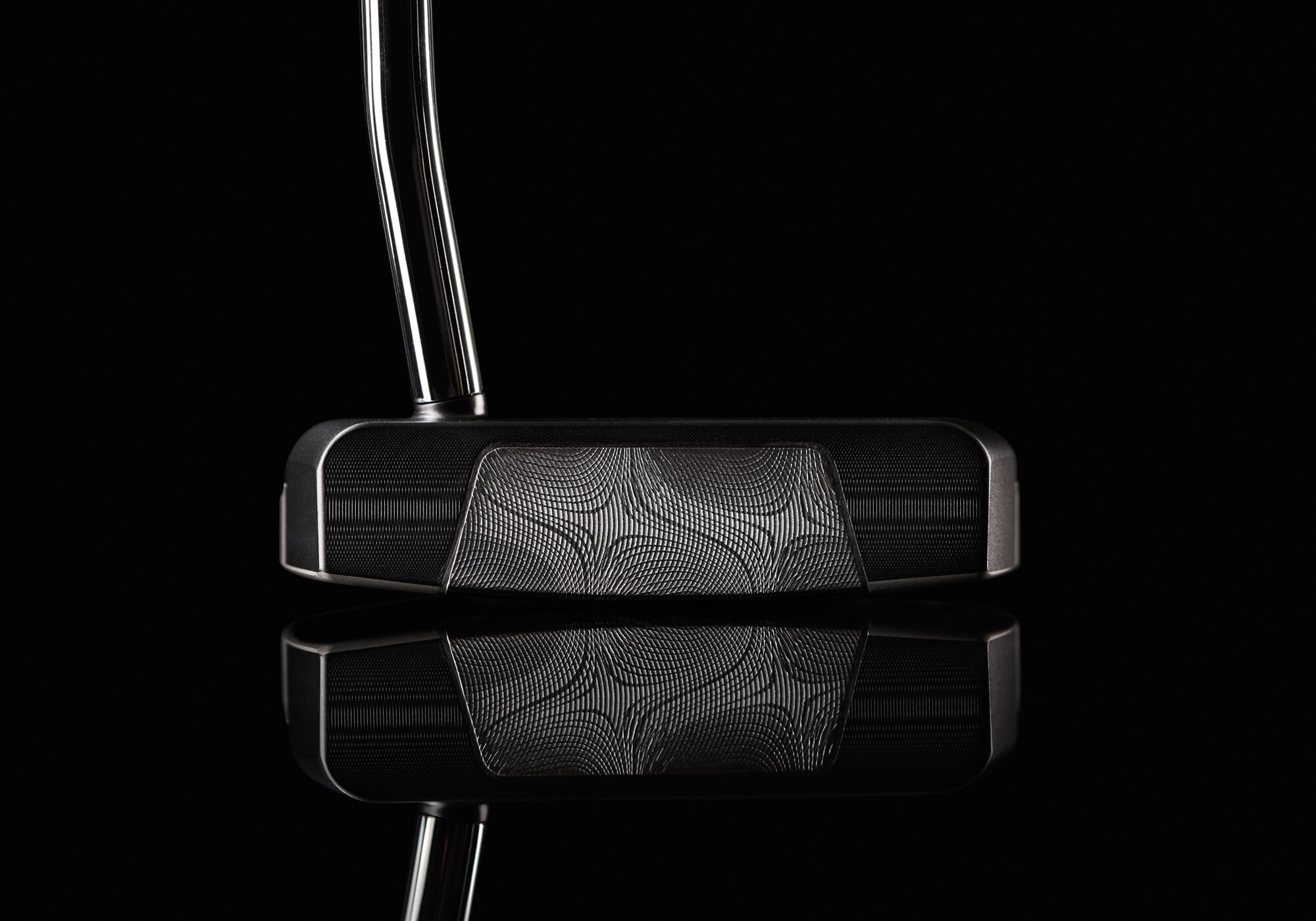
Odyssey just broke that pattern. Three left-handed Damascus Milled models are coming: the Seven DB and Jailbird Mini in mallets, plus the Two in a blade. All three list at $699.99, the same price as the right-handed versions that shipped earlier this year. Nobody was going to blink at a lefty premium on a fully milled, limited-run putter. Odyssey didn't take it.
That decision costs actual money, not marketing money. A 100 percent milled head is not a mold you flip. Mirroring the geometry means new CAM programs, new fixturing, new toolpath validation and a fresh first-article inspection cycle for every model. Those are fixed engineering costs, and they get amortized across a production run that is a fraction of the right-handed one. The per-unit burden on a lefty Damascus Two is meaningfully higher than on its right-handed twin, and Odyssey is eating the difference. That is not a standard bottom-line move in a category where limited editions exist specifically to protect margin.
Which Odyssey Damascus Milled Putter Models Go Left-Handed?
The model selection is where the read gets interesting. Two mallets and a blade, in a market that has been drifting toward high-MOI mallets on tour and at retail for a decade. Choosing the Two ahead of the Rossi or the One Wide says Odyssey believes there is still a left-handed blade buyer with $700 in hand. That is probably correct for an unromantic reason: lefties have spent thirty years buying whatever shape was actually available, and the shape that was always available was a blade. Brand loyalty in that cohort is really availability loyalty, accumulated over decades.
The more telling omission is the Square 2 Square Seven. The zero-torque build, the newest genuine technology story in the Odyssey putter lineup, is not part of the left-handed release. So the goodwill has a boundary, and the boundary sits exactly where it usually does: heritage shapes get the lefty treatment, new platforms wait their turn. Ping has been the industry's most consistent counterexample here, carrying left-handed options across core lines rather than treating them as a special project, and it has quietly owned mindshare among lefty buyers because of it. Left-handers are somewhere in the five to seven percent range in the U.S. and considerably higher in Canada and Australia, and they remember which brands showed up.
How Is Odyssey's Damascus Milled Putter Face Made?
The Damascus insert itself is a genuine manufacturing story rather than a finish trick. Two steel alloys folded and heat treated repeatedly, then etched to reveal the layered pattern, is a knife-making process borrowed by a putter company because it produces a face that both looks unusual and behaves differently at impact. The feel sits close to the Ai-ONE Milled insert without the same firmness at the top end. That is a legitimate engineering claim, which separates it from most premium putter releases where the story is a finish, a stamping and a serial number.
What this doesn't do is solve Odyssey's actual problem. A $699.99 halo run in a category where LAB Golf, Ping and a growing field of zero-torque entrants are competing hard for the same conversation is a brand-warmth exercise, not a share-shifting one. Odyssey currently sits 77th globally in brand intelligence tracking, down 18.2 percent month over month, and three lefty putters at seven hundred dollars will not reverse that. The thing to watch is whether Square 2 Square goes left-handed next. If it does, Odyssey has decided the lefty segment is a market rather than a courtesy. If it doesn't, this was a nice gesture priced at cost.