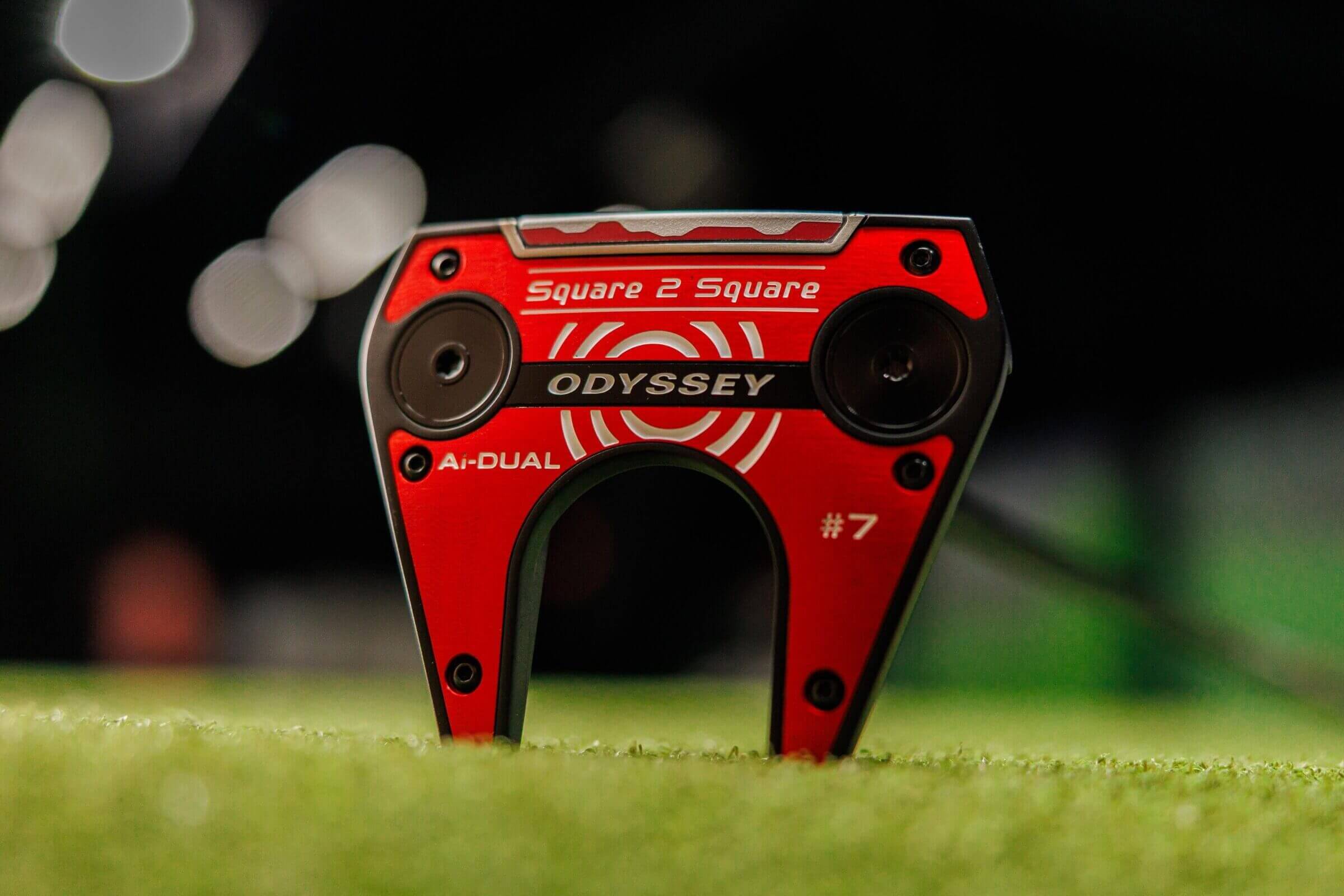
Odyssey knocking $100 off a current-model Ai-DUAL Square 2 Square #7 putter is the kind of move that says more about the zero-torque putter category than it does about Odyssey's pricing strategy.
Why Is Odyssey Discounting a Current-Model Zero Torque Putter?
The deal, surfaced this week in MyGolfSpy's rolling roundup, drops the Ai-DUAL S2S #7 to $300. For context, the putter took Best Zero-Torque Putter honors in MyGolfSpy's 2026 testing. Major OEMs almost never discount current-year flagship putters by a third, particularly ones that just won a category award. Scotty Cameron doesn't. Bettinardi doesn't. TaylorMade held the Spider Tour line at MSRP for the better part of two years after its refresh. Odyssey cutting this deep, this early in the model cycle, is a signal.
The signal is that zero-torque is now a crowded fight. L.A.B. Golf built the category on the back of Adam Scott's putter switch in 2023 and rode it into a genuine cultural moment, with waitlists, tour adoption, and a price ceiling most putter brands would kill for. Since then, essentially every OEM has answered. PING released the DS72 iterations, TaylorMade launched the Spider ZT, Bettinardi built its own version, and Odyssey pushed out the Ai-DUAL line to catch the wave. The problem, as always in golf, is that when everyone builds to a category, the category compresses. Odyssey's discount is what compression looks like at retail.
What Does the Cut Say About Callaway Odyssey Pricing?
There's a Callaway parent-company angle worth flagging. Odyssey has historically been Callaway's most durable pricing brand, the one product line that doesn't get promotional. Two-Ball putters held their MSRP through the 2008 downturn. The White Hot line survived three redesigns without meaningful discounting. When Odyssey moves on price, it's usually because inventory forecasts came in soft, not because the brand needed the volume. A $100 haircut on a flagship 90 days into its lifecycle suggests the sell-through on Ai-DUAL didn't hit plan. The DORMIED Index has Odyssey down 18.2 percent month-over-month heading into June, which lines up with what a discount this aggressive would produce in brand-strength signals: fewer full-price mentions, more deal coverage, softer earned media.
The broader read on zero-torque is that the category is maturing faster than putter categories typically do. Belly putters took roughly a decade to peak and get regulated out. Counterbalanced putters had a three-year run before fading. Mallet-vs-blade cycles run on multi-year clocks. Zero-torque compressed the OEM response window to about 18 months, which means the differentiation window is closing at the same pace. L.A.B. still owns the origin story and the tour validation. Everyone else is selling a version of the same physics claim to a customer who now has five options at four price points. That's a discount environment, whether the brands wanted one or not.
Is the Odyssey Ai-DUAL Putter Worth Buying at $300?
Worth noting that the Ai-DUAL S2S #7 is genuinely a good putter. The testing data supports the marketing on this one, which is not something you can always say about zero-torque launches. At $300, it's now priced below most L.A.B. offerings and below the Bettinardi Antidote line, which changes the value calculus for a golfer shopping the category. For the reader thinking about making the switch, this is the rare case where the deal and the product both check out. That combination doesn't come around often on current-model gear.
What to watch is whether Odyssey holds this price through the summer or pulls it back once inventory clears. If the discount sticks past July, it's a repositioning. If it disappears in three weeks, it was inventory management dressed as a promotion. Either way, the zero-torque premium is eroding, and Odyssey just told the market how much.