Callaway does not make Callaway apparel. Perry Ellis International does, under license, out of Miami, using the same design and sourcing infrastructure that produces PGA TOUR, Jack Nicklaus, Grand Slam and Ben Hogan branded clothing. That structural fact is the most interesting thing about the Summer/Fall 2026 collections, and it is buried in the boilerplate at the bottom of the announcement.
What Is in Callaway's Summer Fall 2026 Golf Collection?
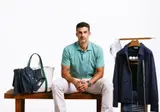
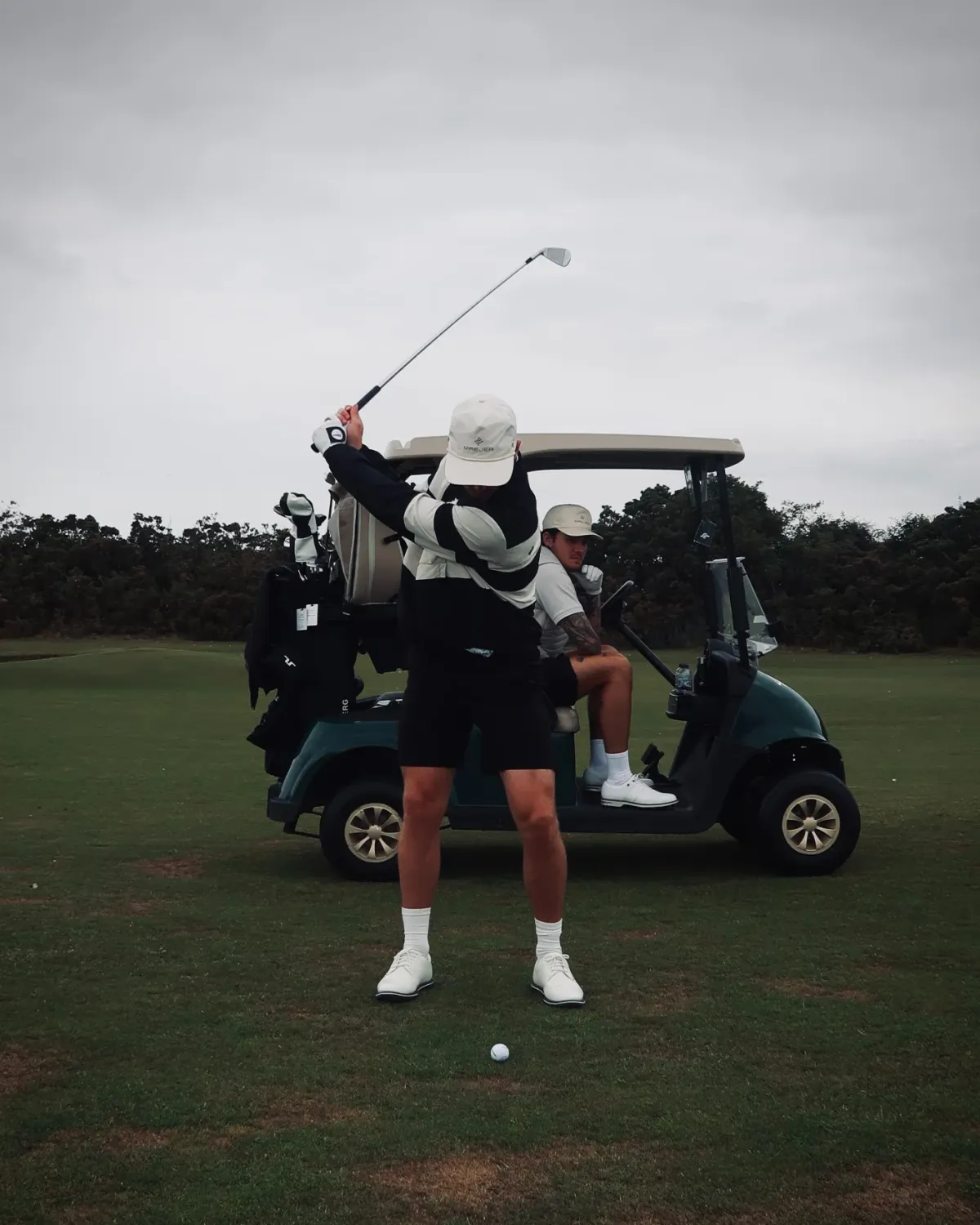
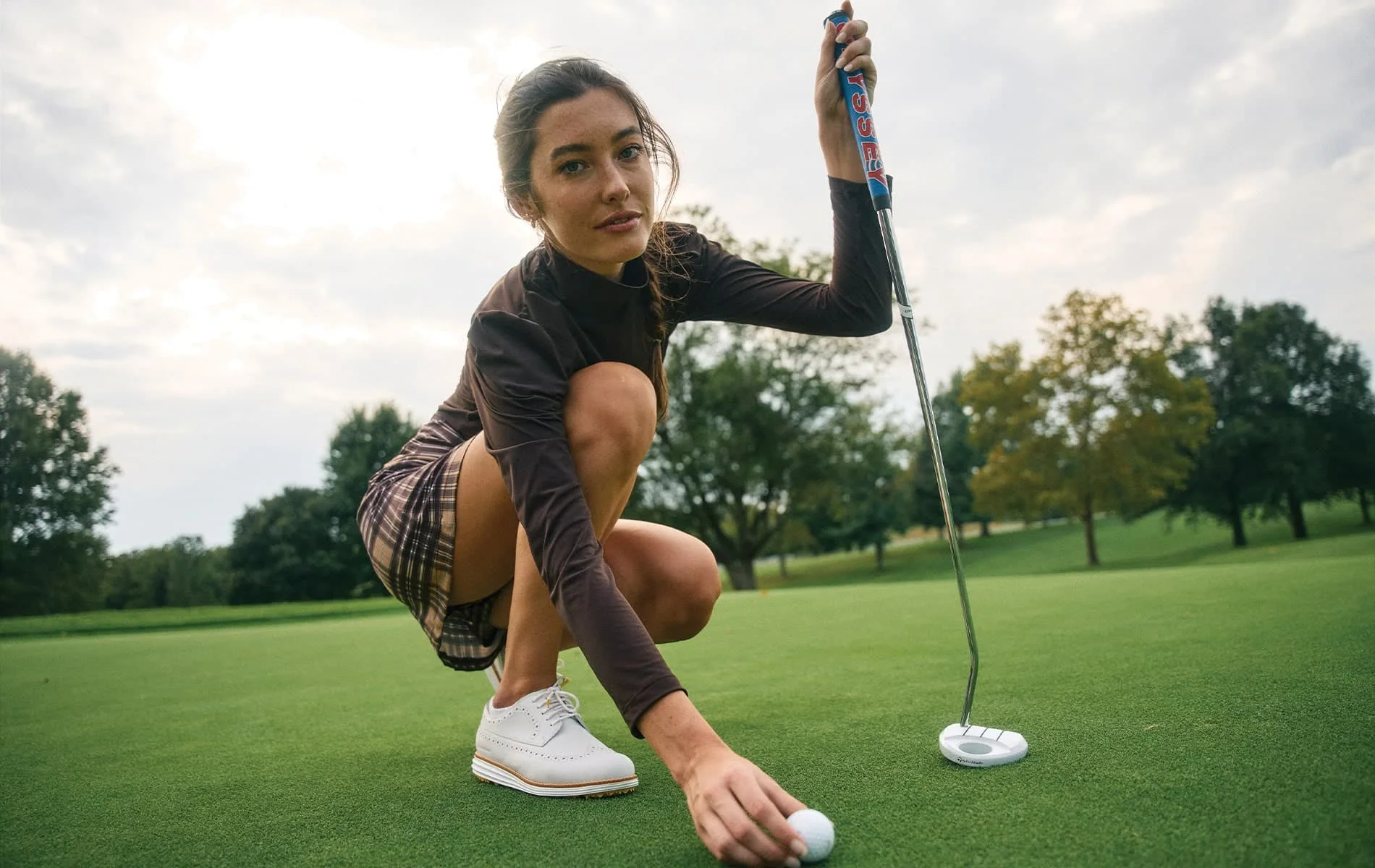
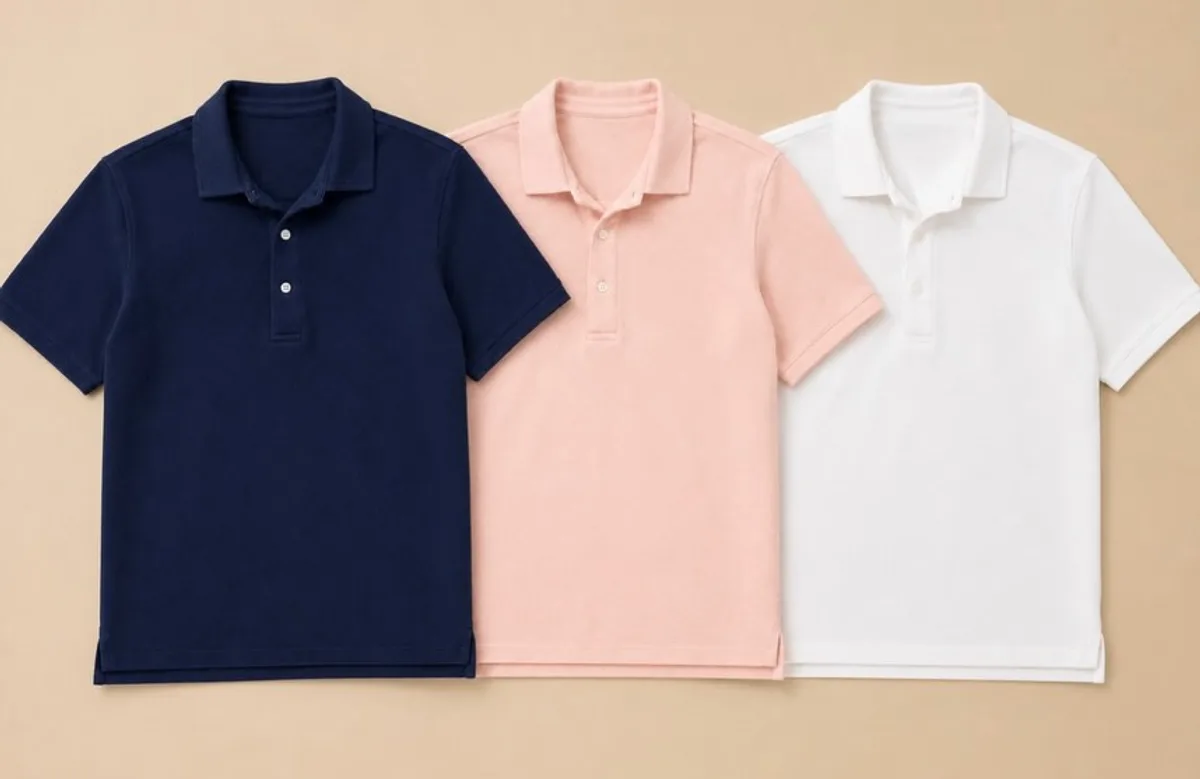
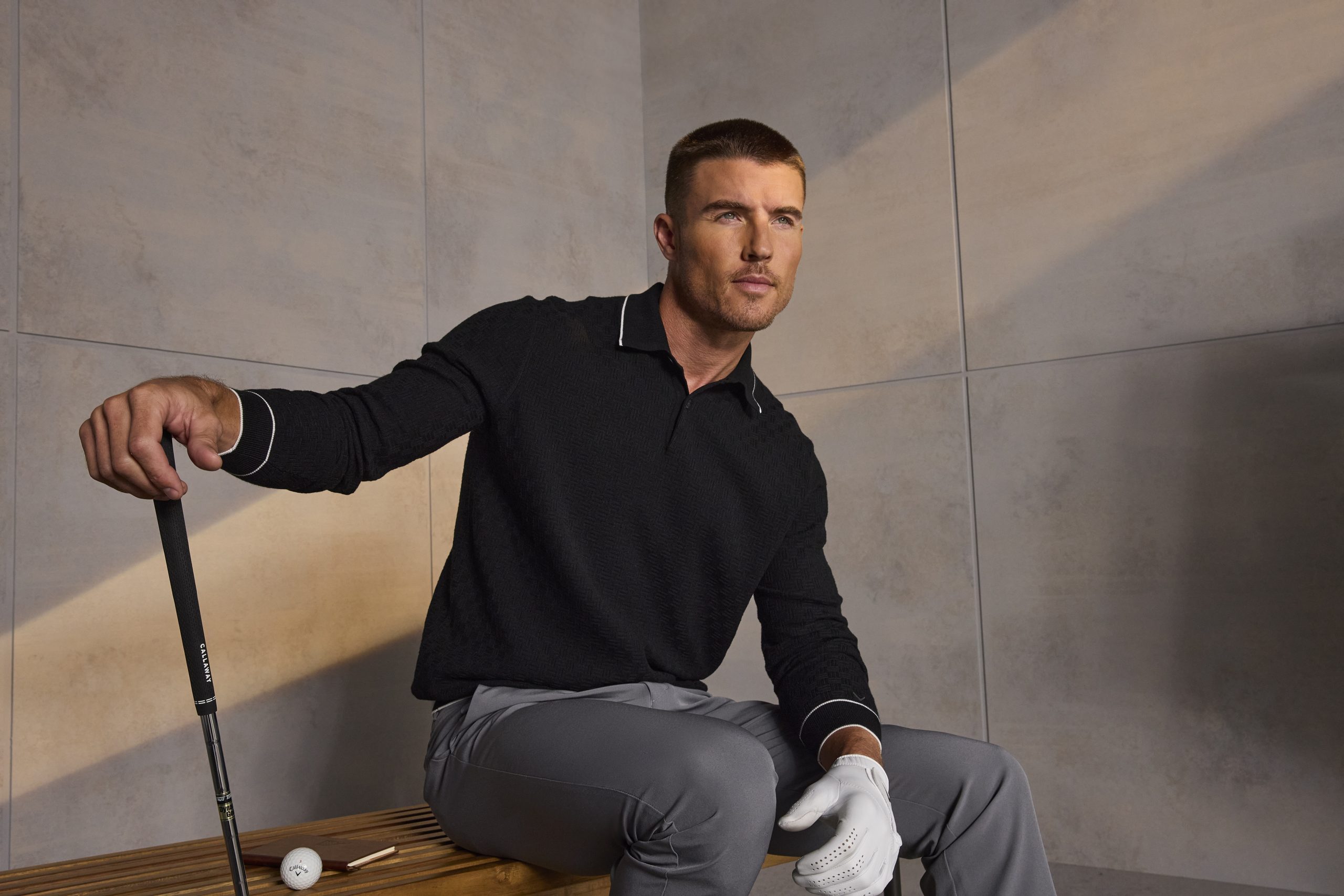
The collections themselves went live this week at green grass shops, select retailers and callawayapparel.com. Men's and women's lines, built around knit polos, jacquard textures, midweight quarter-zips, insulated vests and a Stormguard rain suit. Five newly named fabric technologies anchor the marketing: Natural Soft, Pure Edge, Cool Stretch, Pure Warmth and Opti Repel. On tour, Max Greyserman carries the men's looks through the fall, with LPGA players Suvichaya Vinijchaitham and Carla Bernat Escuder, the 2025 Augusta National Women's Amateur champion, fronting the women's collection.
Read the technology names in sequence and the naming architecture becomes obvious. Natural Soft is soft. Pure Warmth is warm. Cool Stretch is cool and stretches. Opti Repel repels water. These are adjectives with trademark symbols, which is standard practice across apparel and not unique to this brand, but it is worth separating from actual engineering. The entire release contains exactly one verifiable number: the Stormguard jacket and pants are rated 15K waterproof with fully seam-sealed construction and four-way stretch. That is a real spec. It is below the 20K-plus membranes Galvin Green builds its reputation on, and it is well above what most golfers wearing a licensed logo rain suit have historically gotten. One number in 1,200 words of copy tells you which piece the brand actually wants tested.
Why Does Callaway License Apparel to Perry Ellis International?
The more consequential story is why Callaway licenses its own name in the first place. Topgolf Callaway Brands owns TravisMathew outright, with company-operated retail, full margin capture and complete control of the product. It bought Jack Wolfskin for roughly $476 million in 2019 and sold it to ANTA for $290 million in 2023, an expensive lesson in owning apparel manufacturing and distribution you do not understand. Callaway-branded soft goods sit on the other side of that wall entirely: a royalty stream, capital-light, with Perry Ellis absorbing inventory risk and managing the department store and pro shop channels. It is the same arrangement that lets Perry Ellis hold the Ben Hogan apparel trademark while a separate company in Fort Worth sells Ben Hogan irons. Trademarks get sliced by category, and golfers rarely notice.
What the license buys is ubiquity. What it costs is control. When a Callaway quarter-zip pills after six washes, the customer does not file a complaint against Perry Ellis International. The equity built by Chrome Tour, Paradym and 30 years of driver credibility underwrites a garment nobody in Carlsbad specified. Nike found the inverse version of this after exiting hard goods in 2016: the swoosh kept selling shirts and shoes long after the clubs disappeared, because apparel equity outlives equipment equity. Callaway is running that relationship in reverse, spending club credibility on licensed textiles. It has worked for two decades. It works until it does not.
How Do Callaway Apparel Deals Differ From Equipment Deals?
There is also the tour signage angle, which is quieter than it looks. An apparel deal is not an equipment deal, and the chest logo on a Sunday broadcast no longer tells a viewer what is in the bag. That decoupling is now normal across the category, and it has slowly drained the persuasive power of on-course branding. Signing an ANWA champion to a shirt contract is a far cheaper way to buy visibility than a full staff deal, and the money involved is not close.
Callaway sits fourth globally in our brand index this month, effectively flat, and none of that position was earned by fabric. The interesting question as Topgolf's separation reshapes the parent company is whether soft goods stay a licensing line item or get consolidated under an owned brand with real margin. Watch the renewal date on the Perry Ellis agreement. That document will say more about Callaway's apparel strategy than any collection announcement will.