A 232-gram driving iron at $179.99 is not a product spec. It is a market positioning statement. Vice Golf just released both, and the framing matters more than the casting.
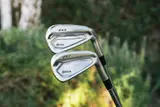
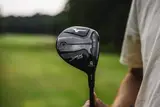
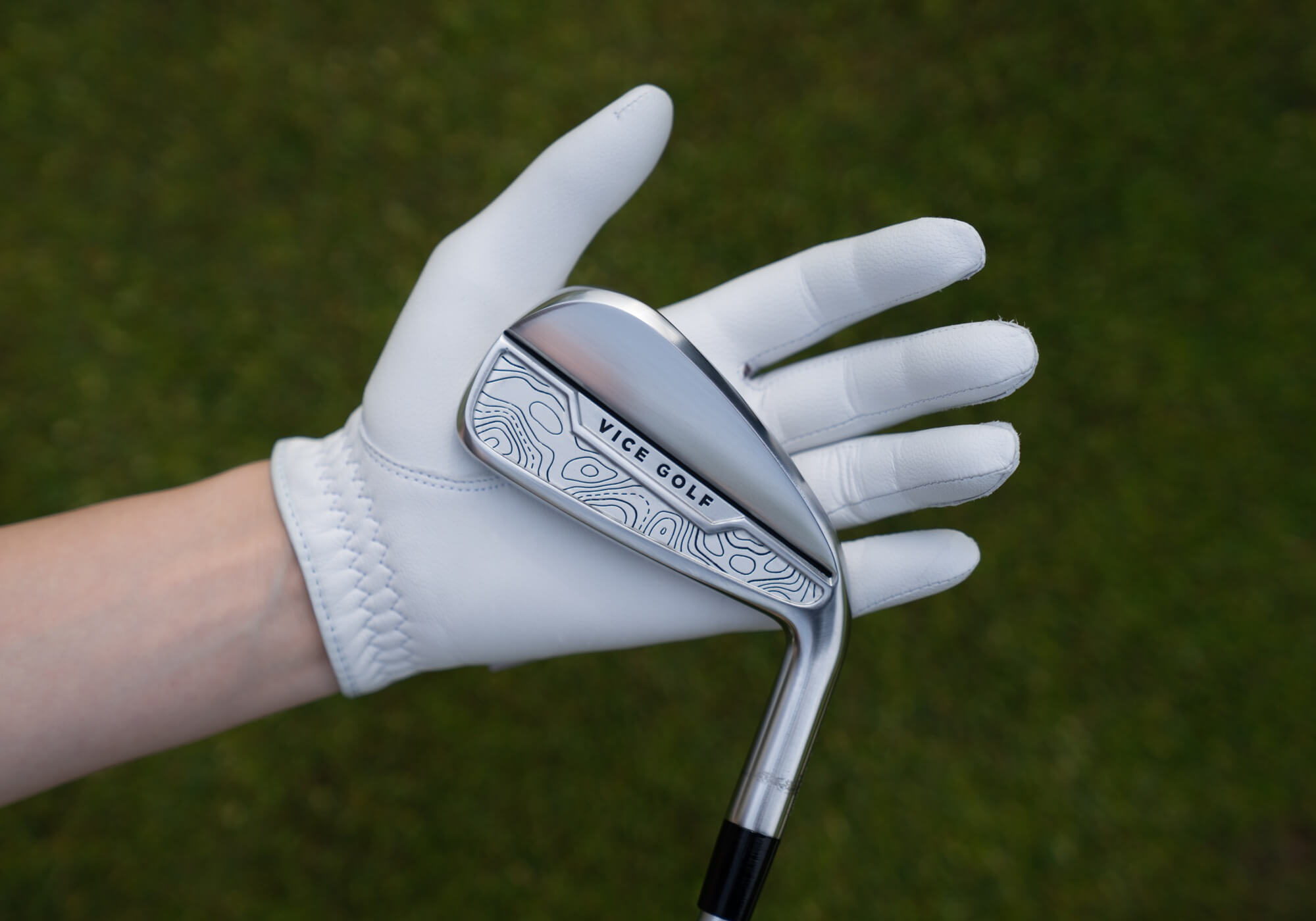
The new Vice driving iron is a 17.5-degree hollow-body two-piece casting built on the same chassis as the VGI02 game-improvement iron. Draw bias, high-bounce sole, lightweight proprietary shaft in R or S flex, right-hand only. A 200-unit run in an iridescent Rainbow finish goes for $199.99. Both available today, direct only, as everything Vice sells has been since the company launched in 2016.
How Does the Vice Golf Driving Iron Compare on Price?
The category context is what makes this interesting. Driving irons have quietly become one of the more expensive single-club purchases in the bag. Titleist's U505 sits at $279. Srixon's ZX MKII Utility runs $239. TaylorMade's P-UDI lands at $299. Vice is undercutting the segment by roughly $100 while building the club for the golfer who actually buys driving irons, which is not the tour player the marketing photography usually features. The honest driving iron buyer is a 12-handicap who has lost confidence in the driver on certain tee shots. Vice naming that buyer explicitly, the "driver doubter," is the kind of segmentation candor most OEMs cannot afford because they are still selling the aspirational version of the customer.
This is the part Vice has always done well. The brand's entire pitch since launch has been that golf equipment margins are inflated by retail, tour contracts, and marketing budgets the customer does not benefit from. The ball business validated the thesis. Pro Plus and Pro Soft have shown up in enough WITB photos and independent ball tests to make the price-to-performance argument on their own. The club business has been a slower build. The VGI iron line and the VFW fairway woods exist but have not generated the cultural footprint the balls have. A $180 driving iron with sharp positioning is a credible attempt to change that.
Why Is the Vice Golf Driving Iron So Light?
The lightweight design philosophy is worth scrutiny. Vice is leaning into 232 grams as a feature, arguing that lighter heads square up easier and swing faster for the non-tour player. That is defensible engineering for the target customer, and it is also the opposite of what premium driving irons have been doing. Titleist's U505 sits closer to 255 grams. The heavier head delivers a different ball flight and feel that tour-adjacent players prefer. Vice is not chasing that player. Whether the lightweight argument resonates depends on whether the buyer trusts the brand enough to take the engineering claim at face value, or whether they default to the heavier-is-better instinct that the category has trained into them for two decades.
The Rainbow edition is the other tell. Vice has run limited drops for years, and the conversion math on a 200-unit colorway is straightforward: it sells out, it generates social proof, it costs almost nothing to produce relative to the brand equity it builds. Supreme figured this out in streetwear fifteen years ago. Vice is the only golf brand running the playbook with any consistency, and it works because the customer base skews younger and more online than the average driving iron buyer at a green grass shop.
What Does the Driving Iron Test for Vice Golf?
Vice currently sits ninth in the DORMIED global rankings, holding flat month-over-month, which is a quietly impressive position for a brand with no tour presence and no big-box distribution. The driving iron is a test of whether the club business can pull the same volume the ball business does. If it sells through, Vice has a path to expand the iron lineup with more conviction. If it does not, the brand's club strategy remains a complement to the ball business rather than a peer to it. The next six months of restock cadence will say which one is true.