Private label wins in any category where the customer has quietly stopped believing that the brand premium buys performance. Golf balls got there first. Wedges are next.
How Much Do Kirkland Signature Wedges Cost?
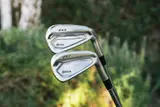
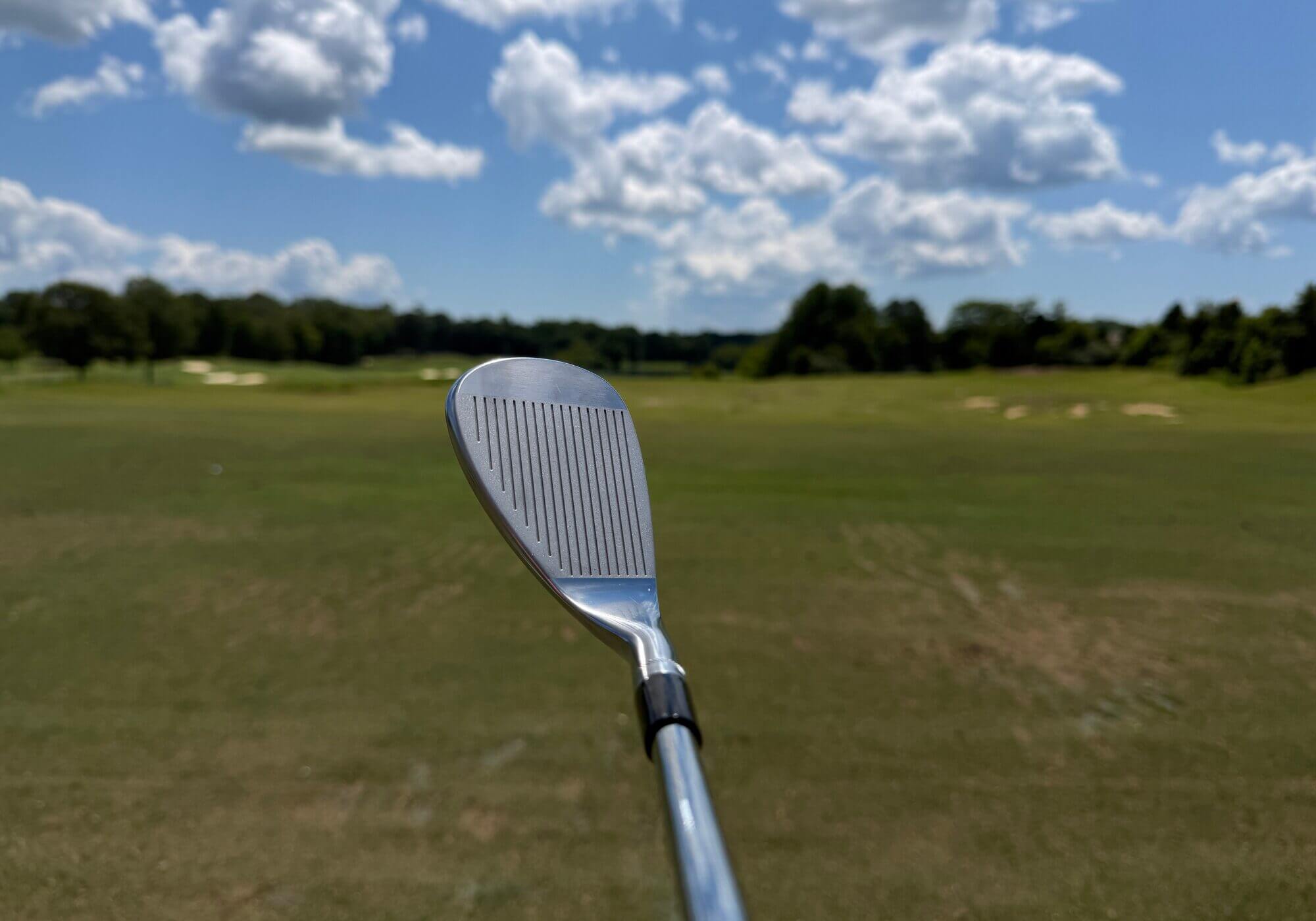
This week Costco ran a discount on the Kirkland Signature Performance+ ball, which is the news that travels. The more interesting item on the shelf is the Kirkland Signature forged wedge set: three raw-faced, forged wedges for roughly $200, a package MyGolfSpy just called out as the best value in the building, hot dog included. That is not a soft endorsement from a testing outlet that makes its living being hard on gear.
Do the arithmetic that Costco is counting on you to do. A Vokey SM11 lands around $200 a club. A full three-wedge complement from any major OEM runs $550 to $650 before you talk about grind selection or a custom stamp. Kirkland delivers the same club count for the price of one Titleist. That gap only exists because the wedge is the club where marketing spend and tour seeding carry the most weight relative to actual manufacturing cost. A forged carbon steel head with milled grooves is not exotic metallurgy. It is a mature, commoditized process that a dozen Asian foundries execute competently, and Costco has spent forty years building a business out of finding exactly those categories.
Why Do Kirkland Golf Wedges Face No Patent Risk?
Here is the structural piece most coverage misses. The wedge is golf's only true consumable hardgood. Grooves degrade in a way drivers do not, on a timeline you can measure in rounds rather than years, and every fitter in the country will tell you the average recreational player is gaming wedges four to eight seasons past their useful life. The reason is price, not ignorance. Nobody spends $600 to fix a problem they cannot see on a launch monitor. Costco did not build a better wedge. It repriced a wear item at wear-item money, which is the same play it ran on the ball. And unlike the ball, which drew Acushnet into court in 2017, or the irons, which attracted a patent suit Costco would prefer nobody bring up at Thanksgiving, the wedge category has almost no defensible IP left. Groove geometry is regulated by the USGA. Sole grinds are not patentable in any way that survives contact. There is nothing here to sue over.
The tradeoff is real and worth stating plainly. Costco does not publish bounce or grind, which means the set is sold on the assumption that you are not the golfer who knows the difference between an M grind and an S grind on firm turf. If you have been fitted, you are not the customer and you were never going to be. What Costco is actually selling is fresh grooves at a price that makes replacing them a routine purchase rather than a considered one. For the club professional, this reframes the entire wedge business: the entry tier is gone, and the only defensible position left in the pro shop is fitting, turf interaction and lie angle work that a warehouse aisle cannot replicate. Shops that treat wedges as a rack product are competing with a $200 set of forged clubs sitting between the rotisserie chickens and a pallet of paper towels.
Is Kirkland Golf Trying to Be a Brand?
Kirkland Golf sits at 133rd in our global brand rankings with a DORMIED Index score under one point and flat month-over-month movement, which reads as absurd until you remember what the Index measures. Kirkland has no tour presence, no marketing department, no ambassador roster and no communications strategy beyond a product appearing without warning. It generates enormous consumer conversation and almost no brand signal, because it is not trying to be a brand. It is trying to be a spec.
The thing to watch is not performance. It is supply. Costco's historical pattern with golf is to produce a run, sell it out, disappear for eighteen months and reappear with something slightly different. Every OEM's real defense against Kirkland has been availability. If the wedges become a standing SKU instead of a rumor, the entry-level wedge market as currently priced does not survive the decade.