
Golf apparel brands do not die in July. They die in November, when the pro shop buyer who wrote a fat spring order suddenly needs half the units and twice the terms. Turtleson's fall collection, out Aug. 13, is a fairly explicit attempt to solve that problem with cashmere.
What Is in the Turtleson Fall Collection?
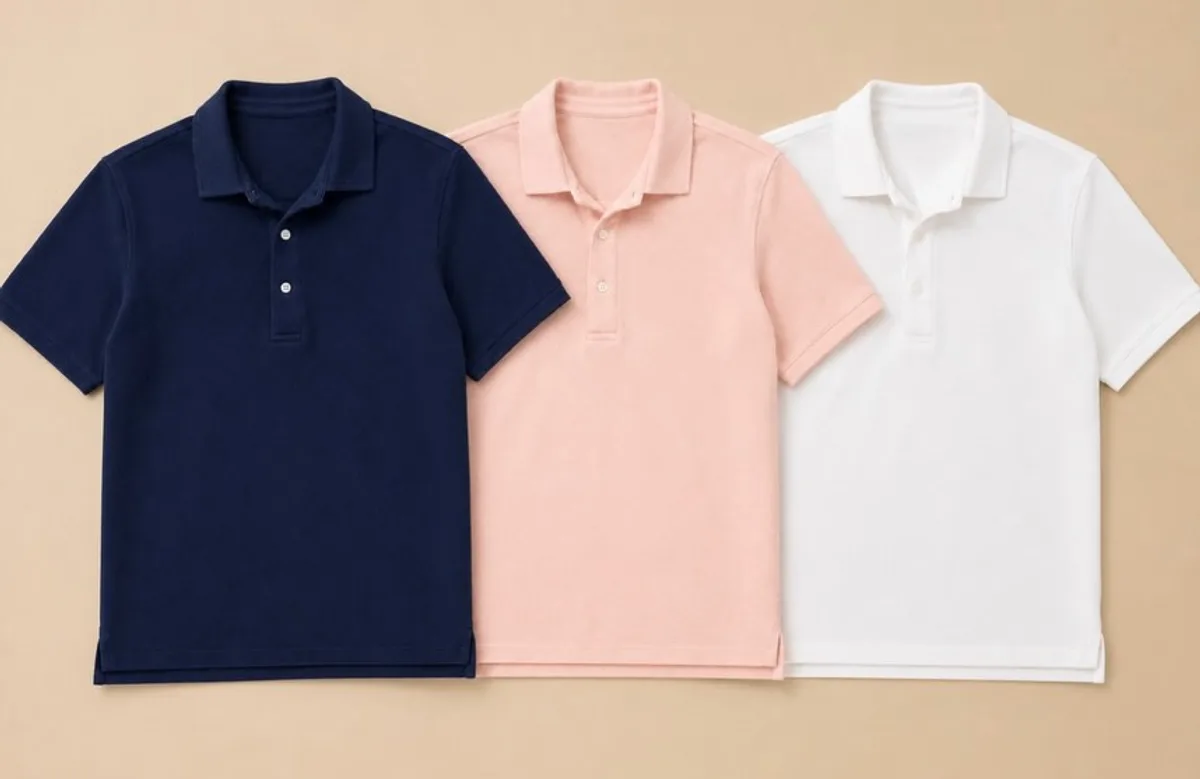
The Bristol, Tennessee brand unveiled a fall book built around layering rather than polos: the men's Issac and women's Cassi series of quarter-zips, crewneck pullovers and rugby polos at $160, new heathered colorways of the Bellfield hoodie at $150, the Aidan and Nadia comfort shell at $165, and two natural-fiber pieces sitting well above the rest of the line, the Kephart hoodie in 100% cashmere at $395 and the Marshall sweater in extra fine merino at $195. CEO and co-founder Greg Oakley described the season around the word "intentional," which is brand-speak, but the merchandising underneath it is not vague at all.
Look at what is absent. No tour-inspired print, no stretch-woven jogger, no mention of a player wearing it on Sunday. The performance content is buried inside the fabric story instead of on the hangtag: the Issac and Cassi blend is cotton-rich with lyocell and a performance fiber, and lyocell is the tell. It buys drape and moisture handling without the plasticky hand of a poly-spandex knit, which is exactly what a customer who has aged out of full-polyester golf shirts wants. The Aidan shell does the same trick differently, water resistance and strategic venting with an extended back hem rather than a full rain jacket's bulk and price.
How Does Turtleson Price Against Premium Golf Apparel Brands?
That is a Peter Millar and Faherty conversation, not a FootJoy one. And the pricing confirms it. A $160 quarter-zip lands above Johnnie-O's core knits and comfortably below Peter Millar's Crown Sweater tier, which is the narrow lane where independent green-grass accounts still have room to write a second order. The Kephart at $395 is the interesting one. It is not a volume piece and was never meant to be. It is there to anchor the top of the wall, make the $195 merino look reasonable, and tell a shop owner that Turtleson can hold a price point through December without needing a markdown to move.
The structural insight for anyone selling into green grass: fall and holiday are the only two windows where a golf-adjacent brand can behave like a lifestyle brand and get away with it. Nobody is buying a performance polo in Ohio in October, but they will buy a gift-priced cashmere hoodie in the same shop, at better margin, with no size-run obsolescence and no next-season fabric upgrade to make it look dated. Brands that build a real cold-weather book flatten a revenue curve that otherwise collapses for two quarters. Brands that do not spend the winter discounting spring inventory to make payroll.
What Limits Turtleson to Green Grass Golf Retail?
What Turtleson has not proven is that it can win outside the club channel it was built for. The Bellfield hoodie has been the brand's most consistent seller and it is a piece that would sell fine in a Nordstrom men's department, which raises the obvious question of why it isn't in one. A cashmere hoodie and a packable shell are the least golf-specific products the brand has ever made, and they are being sold almost entirely through golf clubs and resorts.
The next move to watch is distribution, not product. If a brand builds a four-season wardrobe and keeps selling it in a channel that only opens six months a year, it has done the hard engineering work and left the money on the table. Fall 2026 will show whether Turtleson wants the pro shop wall or the whole closet.