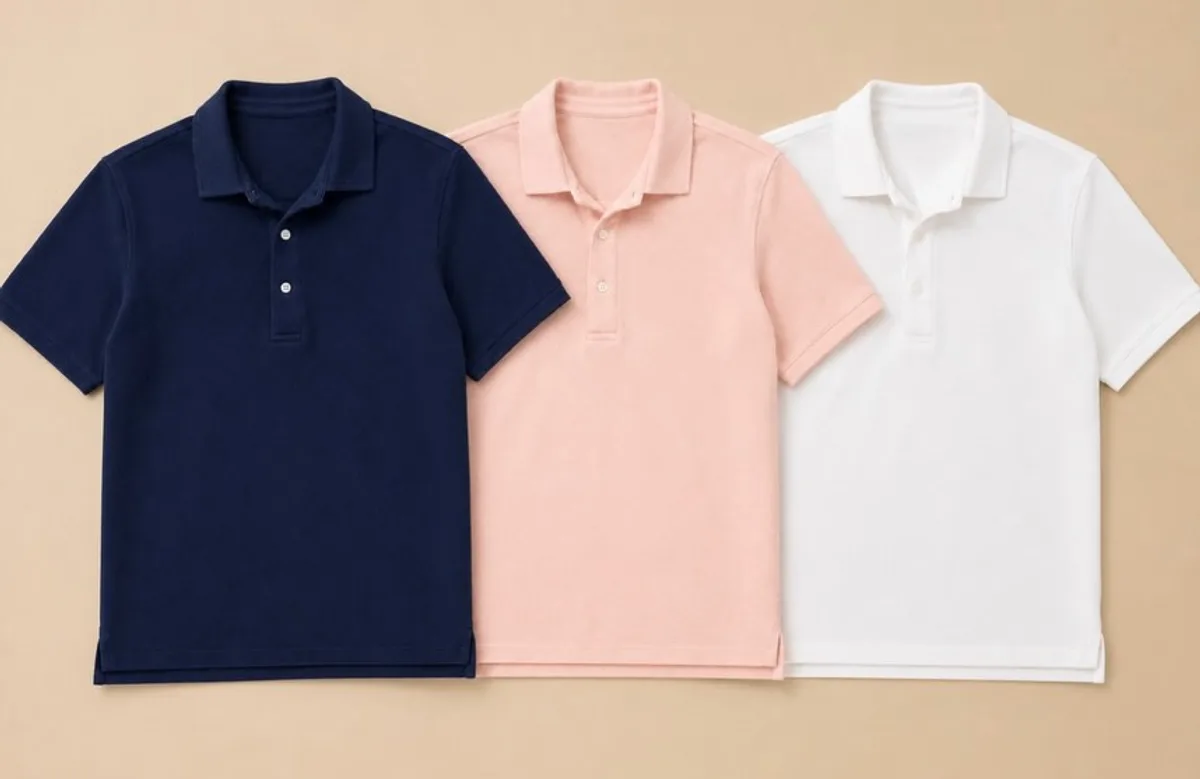

A golf bag comes in one size. A jacket comes in six, in two gender fits, multiplied by every colorway on the line sheet. That difference is the entire reason most hardgoods brands leave apparel alone, and Sun Mountain just walked further into it.
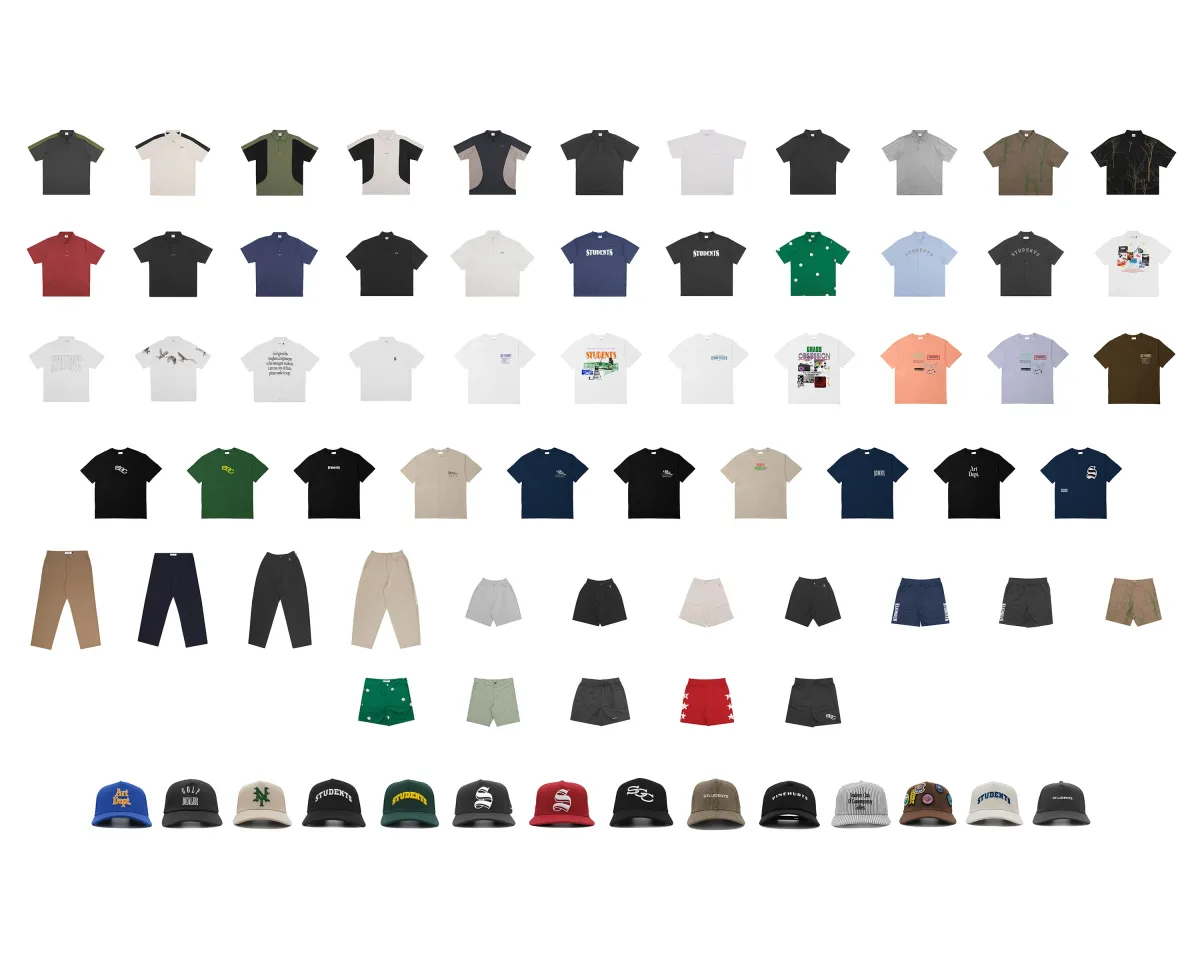
The Missoula company has introduced its 2026 apparel collection for men and women, adding jackets, vests, layering pieces, hoodies and what it calls everyday essentials. The named styles include the Torren Jacket and Vest, the Motcha Q-Zip, the Soltra Sun Hoodie and the Payton Hoodie across both genders, with the men's line picking up the Kelson, Larevo and Peak full-zip jacket and vest sets plus the TQR Standard Hoodie and Pocket Crew. Women get the All Day Vest and the TQR Standard Crew. The pitch is weather protection with enough styling restraint to survive off the property.
Why Is Sun Mountain Expanding Apparel Instead of Bags?
Purchase frequency. A committed golfer replaces a stand bag every five to seven years, and Sun Mountain's bags are durable enough that the number skews long. That is a great product problem and a terrible revenue problem. Outerwear resets every season, and a golfer who owns one Sun Mountain rain jacket is a candidate for a vest, a sun hoodie and a mid-layer inside eighteen months. The category math is not subtle.
What makes it credible is that Sun Mountain is not starting cold here. The company has been making rainwear for decades and has genuine technical standing in the wet-weather conversation, which is a different thing from being an apparel brand. Bags and outerwear solve the same engineering problem from opposite sides: keep water out, manage weight, do not restrict the swing. The materials knowledge transfers. Trend forecasting and fit blocks do not, and that is where hardgoods brands historically get exposed.
What Does the TQR Standard Branding Signal?
Sun Mountain is naming actual garments after its internal brand promise. TQR, for Trust, Quality and Reliability, has been the company's stated operating principle since 1981, and it now appears on a hoodie and two crews. That is not a throwaway. Putting the corporate ethos on a chest piece is how a brand tests whether its name carries standalone apparel equity or only works stamped on a bag panel.
The distribution advantage is the quiet part. Sun Mountain is already on the floor of nearly every green grass shop in North America through bags, push carts and travel covers, with an established rep network and existing open-to-buy relationships. Adding a vest to that order is a conversation. For a DTC apparel startup, getting that same vest into the same shop is a campaign. Sun Mountain is monetizing shelf space it already owns, which is the cheapest growth available to any hardgoods company.
Can a Hardgoods Brand Handle Apparel Inventory Risk?
The risk is operational, not creative. Bags carry no size curve, minimal seasonality and low markdown exposure. Apparel carries all three. A jacket that misses its weather window in October is a March clearance item at forty percent off, and an XL-heavy size curve on a Montana-designed jacket sold in Arizona is how margin quietly disappears. Sun Mountain's 45 years of hardgoods discipline does not automatically produce a merchandising team that can forecast a fit block.
It is worth noting that a company that effectively invented the modern stand bag sits 60th globally in brand visibility, flat month over month. That ranking is a reflection of how quietly Sun Mountain operates, not how much product it moves. Apparel is one of the few categories that can move that number, because layers get worn in front of people and bags mostly get photographed once.
Watch the reorder rate on the vests. Vests are the tell in golf outerwear: low technical risk, high repeat purchase, and the piece golfers actually wear to dinner. If the Torren and Kelson move through at full price this fall, Sun Mountain has an apparel business. If they do not, it has a very good bag company with a jacket program attached.