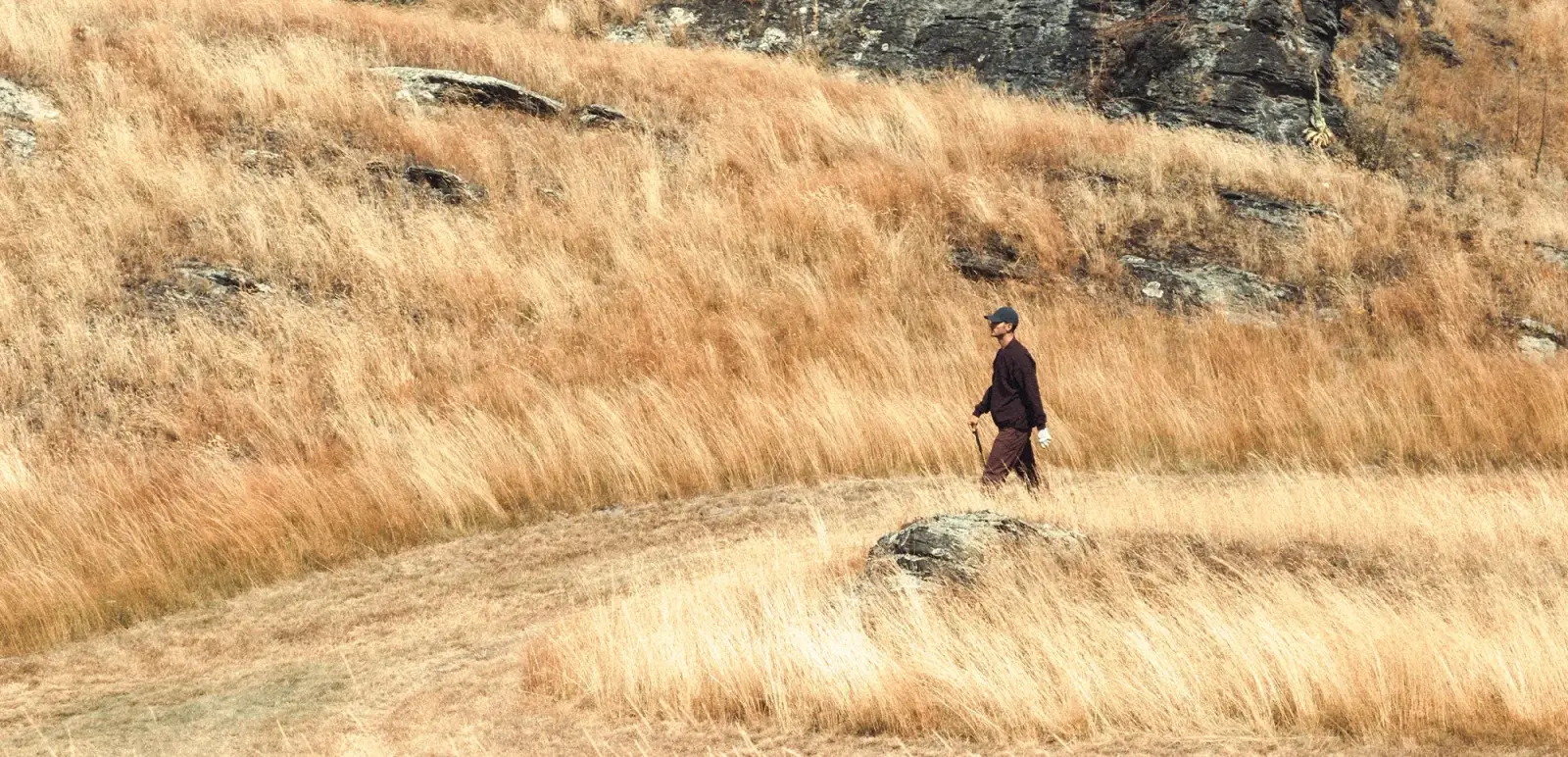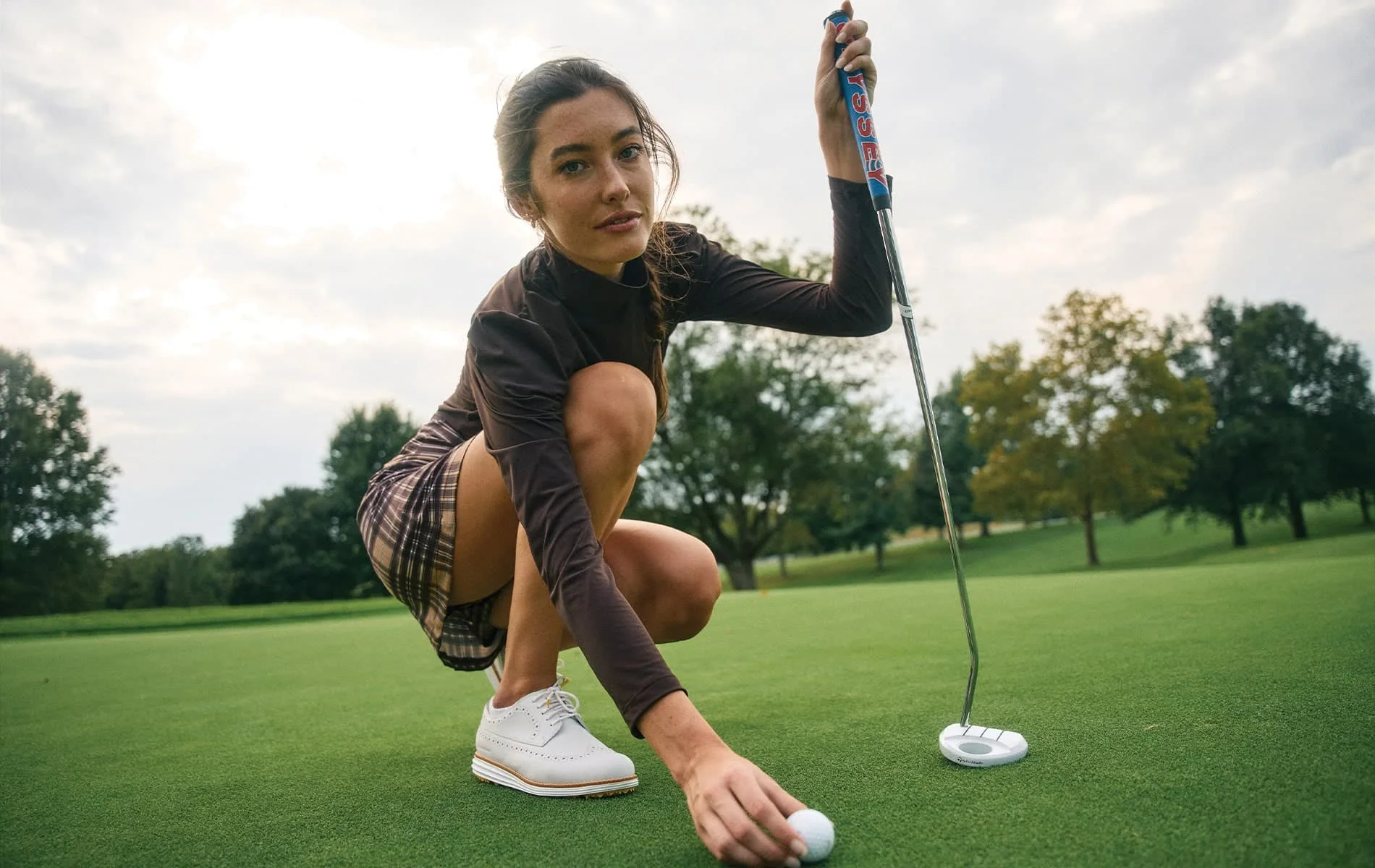

Every golf apparel brand shoots its lookbook on a golf course. Almost none of them own the golf course.
What Is TRUE linkswear's New Oakbrook Golf Club Headquarters?
TRUE linkswear has relocated its headquarters from Tacoma to Oakbrook Golf Club in Lakewood, Washington, the public course TRUE's co-founding Moore family bought in 2012 and opened to the public on January 1, 2013. Phase 1 of the project reworked the clubhouse into a single building that now holds the company's offices, Oakbrook's pro shop, a content studio, and a new restaurant called The Edit Social House. The full flagship retail experience opens to the public in early September, with an inaugural Founders Cup event scheduled for late August 2026.
The interior reads exactly how you would expect a Pacific Northwest footwear brand to build a room: walnut and natural wood against black and neutral tones, unpolished concrete floors, minimal everything. It is a well-executed version of a look that has been the default for direct-to-consumer brand headquarters since about 2018. The more interesting decision is the restaurant. TRUE brought in James Padilla, whose resume includes A16 and Bar Rosa on Tacoma's Hilltop, for a wood-fired Neapolitan pizza and cocktail program. Hiring an actual restaurateur rather than bolting a grill onto the pro shop counter is the tell that this is not a hospitality afterthought.
How Does TRUE linkswear Cut Its Content Production Costs?
The real story is cost structure. TRUE sits at #61 of 215 brands in the DORMIED Index with a score under five, flat month over month, which is another way of saying it cannot out-spend FootJoy, adidas, or Nike on media. What it can do is collapse the cost of making media. Jason Moore's own framing is the most useful line in the announcement: walk out of the office, test and shoot product on a real course the same day, no travel, no permits, no borrowed location. Anyone who has produced a golf shoot knows what that erases. Location fees, a club's tee sheet restrictions, crew travel, two separate athlete trips instead of one. For a DTC brand whose growth depends on the sheer volume of paid social, email, and YouTube assets it can generate per quarter, cost per asset is the entire marketing model. TRUE just took a fixed cost and turned it into a walk across the parking lot.
That cuts both ways. Owning a golf course and running a restaurant are two businesses that do not scale with shoe sales, and both carry payroll that shows up whether or not the Antigravity sells through. A flagship store's foot traffic in Lakewood is a function of rounds played at a public course in Washington, not of a shopping district. TravisMathew built retail where people already shop. TRUE is building retail where people already tee off, and betting the second one converts harder because the customer arrives with the right intent and stays for pizza.
Is the TRUE linkswear Antigravity a Performance Shoe?
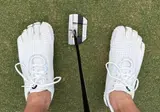
Product-wise, the brand is in a stranger place than the HQ news suggests. TRUE was founded on minimalist, wide-toe-box, barefoot-adjacent comfort, and its seven-model portfolio still leads with the OG and ALL DAY. The Antigravity platform is the opposite instinct: Pebax Superfoam midsole, an aggressive TPU outsole with integrated spikes, a full-length nylon Speedboard, a laminated TRUEdura waterproof upper backed by two years. That is a spec sheet built to compete with performance footwear on performance terms, not a comfort argument. It is the first TRUE shoe that would survive a blind side-by-side with a Pro SL, and the two-year waterproof warranty is a margin decision as much as a marketing one.
Phase 2 is the number to watch, because it tells you which business is funding which. If shoe revenue pays for more amenities at Oakbrook, TRUE has built the cheapest content operation in golf footwear. If Oakbrook's green fees and pizza sales start subsidizing the brand, TRUE has quietly become a golf course operator with a shoe line attached. Founders Cup in August and the September retail opening will start answering it.