A 0.3-point difference in test scoring across $120 of retail price is not a product ladder. It is a pricing problem with three SKUs attached.
How Did Precision Pro Rangefinders Score in MyGolfSpy Testing?
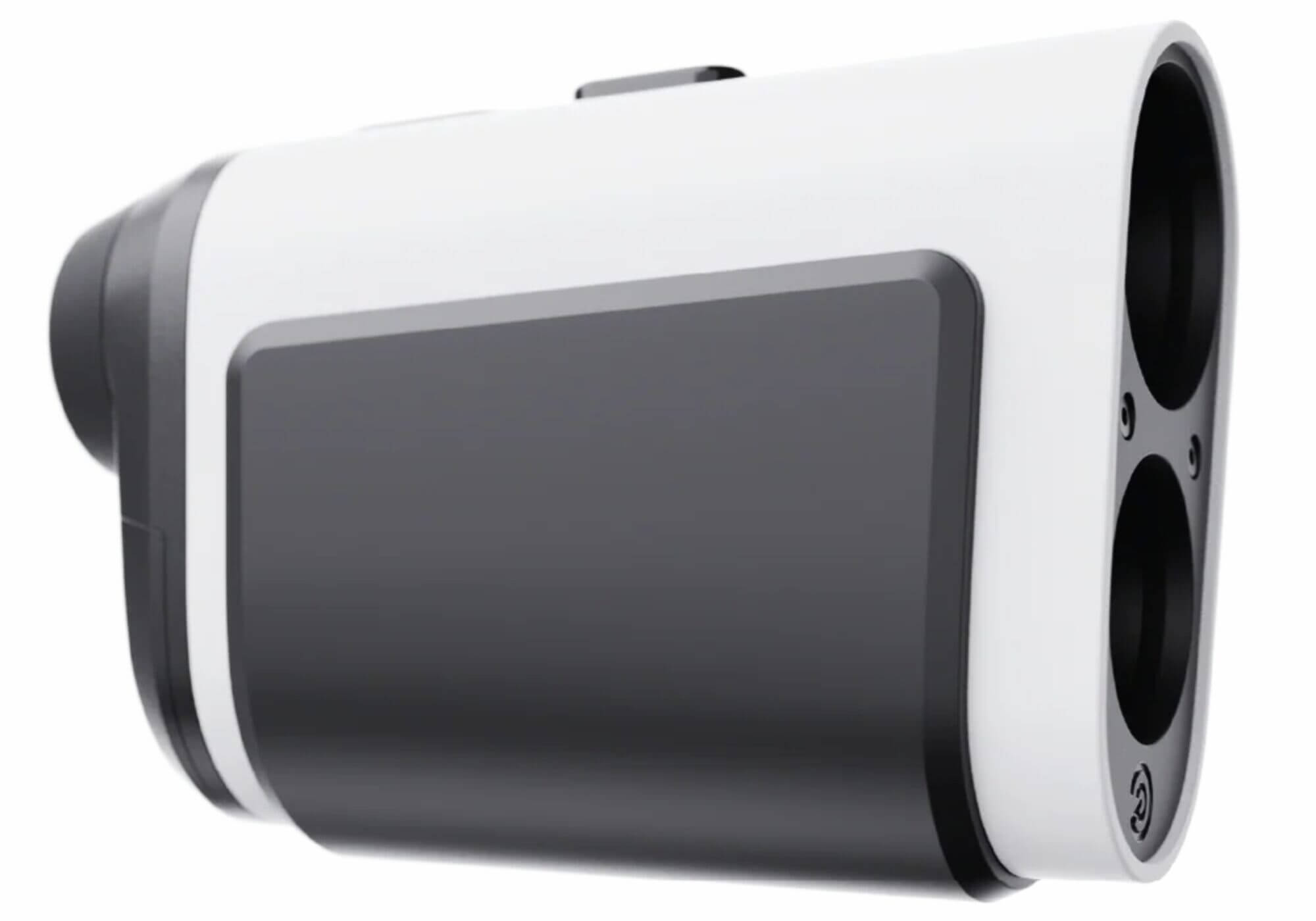
MyGolfSpy ran 27 rangefinders through its 2026 Most Wanted testing across accuracy, speed, optics, display, and features. Three of them were Precision Pro units. The NX10 scored 9.0 at $279.99. The Titan scored 9.3 at $329.99. The Titan Elite also scored 9.3, at $399.99. The NX10's only real deficit was accuracy, and the miss was inside a single yard. The Titan gave back half a point on accuracy and finished among the most accurate devices in the field. The Titan Elite, which costs $70 more than the Titan, was marginally worse on accuracy than the model beneath it. All three finished within 0.5 to 1.0 points of the category leaders. On the merits, that is a strong showing for a brand competing against Bushnell, Garmin, and Nikon glass.
The more interesting detail is buried in the reviewer's own aside: $279.99 is "far from budget friendly," and there are better barebones options that cost less. That sentence would have been unthinkable about this brand five years ago. Precision Pro built its business in the mid-2010s as the direct-to-consumer undercut, the company that sold you a slope-capable laser for meaningfully less than a Bushnell Tour V and threw in a lifetime battery replacement program to keep you in the ecosystem. It worked. It also created an opening, and Blue Tees, Shot Scope, and a rotating cast of Amazon-native brands walked straight through it. The $150 to $250 tier that Precision Pro invented no longer belongs to Precision Pro. Its cheapest tested unit now sits above it.
What Does the Precision Pro Titan Elite Add for $70?
The Titan Elite is where the strategy gets clearer and less flattering. Its differentiator is phone-tethered GPS: pair to the app, pull front-middle-back for 35,000-plus courses, use Find My Rangefinder if you leave it on the tee box. That is a software feature riding on hardware you already own. Compare it to Garmin's Approach Z82, which puts onboard GPS and overlay mapping inside the device, or Bushnell's Hybrid line, which has carried a second GPS screen for years. Those units cost more because the bill of materials is genuinely higher. App-tethered GPS is the cheap version of that answer, and it asks the golfer to carry a phone out of the pocket to get the benefit. That is a defensible product decision. It is not $70 of engineering, and the accuracy regression relative to the Titan makes the ladder harder to argue.
What this actually reveals is a category maturing into commodity. Laser rangefinder accuracy has been effectively solved; the spread between the best and worst devices in a 27-unit field is now measured in fractions of a yard and half-points of scoring. When performance converges, the competition shifts to price, optics, service, and shelf presence. Precision Pro's real moat was never the laser. It was Precision Care, the battery and replacement program that made buying a $300 device from a small brand feel safe. That is a customer-service moat, and customer-service moats do not show up in Most Wanted testing. They also do not show up in brand visibility. Three near-podium finishes and Precision Pro sits at No. 135 of 215 on the DORMIED Index, flat month over month. Winning tests is not the same as being known.
Should Precision Pro Sell Two Rangefinders Instead of Three?
The pragmatic read is that Precision Pro should probably sell two rangefinders instead of three, and the Titan should be the one it spends money promoting. It won the internal comparison and nearly won the external one. The question for the next cycle is whether the brand defends the premium end against Bushnell and Garmin or reclaims the value end it created and then abandoned. Trying to hold both with a 0.3-point spread is how you end up competing mostly with yourself. Watch the 2027 lineup. If the NX10's replacement lands under $250, the company has read its own test results correctly.