MyGolfSpy's 2026 Most Wanted Golf Glove testing handed its Best Newcomer badge to IDAKA, a brand most readers have never heard of, and the top 15 included two more outsiders: Ghost Golf and MG Golf. FootJoy, Titleist, TaylorMade, and Callaway, the four brands that have effectively defined the glove category at retail for two decades, were not the story.
The glove aisle has been one of the most stable corners of the soft goods business. FootJoy alone owns somewhere north of 50% of the U.S. premium glove market depending on which channel data you trust, and the StaSof has been the default tour answer since the late 1990s. The economics are brutal for challengers: cabretta leather pricing moves with a handful of Indonesian and Ethiopian tanneries, manufacturing capacity is concentrated, and shelf space at Dick's and PGA Tour Superstore is locked up by the OEMs that also sell clubs and balls. A startup glove brand is selling against a category where the dominant SKU costs $25, lasts six rounds, and has 40 years of muscle memory behind it.
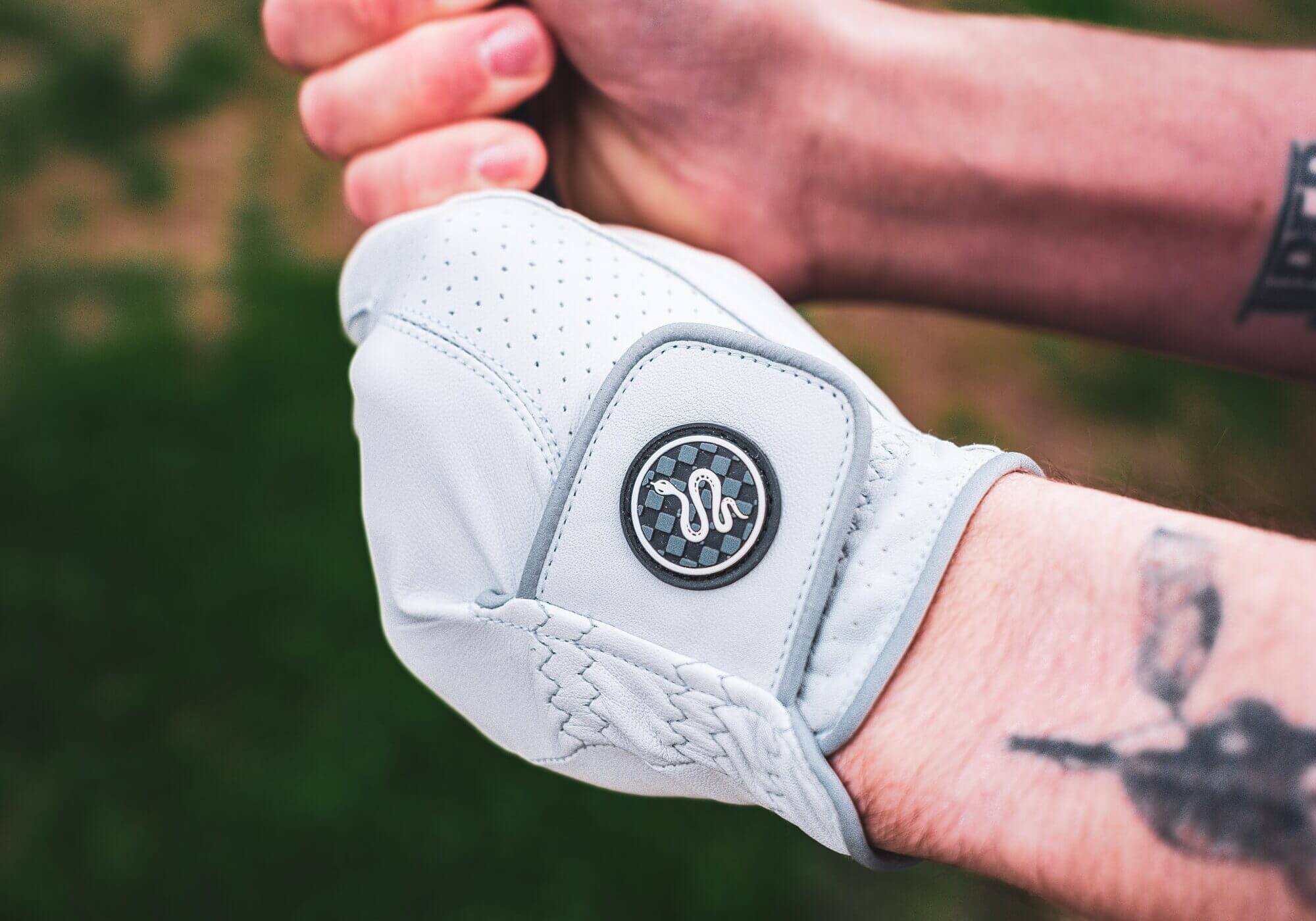
Which makes IDAKA's three-for-$60 cabretta play interesting. That's $20 a glove for full-grain cabretta, undercutting the StaSof on price while matching it on material. The strategy mirrors what True Linkswear tried in footwear a decade ago and what Vessel has executed in bags: pick a category dominated by legacy OEMs that have stopped innovating at the entry price point, build a DTC brand with apparel pull-through, and let independent testing do the marketing. IDAKA selling The Current Hoodie and Brick Polo alongside the glove is the giveaway. The glove is the acquisition product. The apparel is the margin.
Ghost Golf and MG Golf are running different playbooks. Ghost is leaning into aesthetic, the kind of trendy-adjacent positioning that worked for Malbon and Eastside before the broader streetwear-golf moment cooled. MG Golf at $9.75 is the value pure-play, betting that the buyer who burns through a glove every three rounds doesn't actually need cabretta from the same tannery FootJoy uses. Both are credible niches. Neither is going to take share from FootJoy at the country club pro shop. But the pro shop isn't where the next generation of glove buyers is shopping.
The broader read here is that gloves, balls under $30, and entry-level wedges are the three categories where DTC brands have an actual structural opening in 2026. Clubs require fitting infrastructure that startups can't replicate. Premium balls require a manufacturing footprint that Titleist spent 50 years building. Gloves require a relationship with a tannery and a Shopify store. That's it. The DORMIED Index has TaylorMade at #2 globally and rising 22% month-over-month on the back of driver and ball momentum, and none of that activity is happening in the glove aisle. The legacy OEMs are not defending this category because the unit economics don't justify it.
The question for 2027 is whether one of these challengers consolidates enough independent testing wins and DTC traction to force a retail conversation, or whether the category stays fragmented at the long tail while FootJoy continues to print money at the top. The IDAKA bet, glove as wedge into a broader apparel brand, is the one to watch. That's the model that actually scales beyond the glove itself.