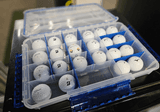
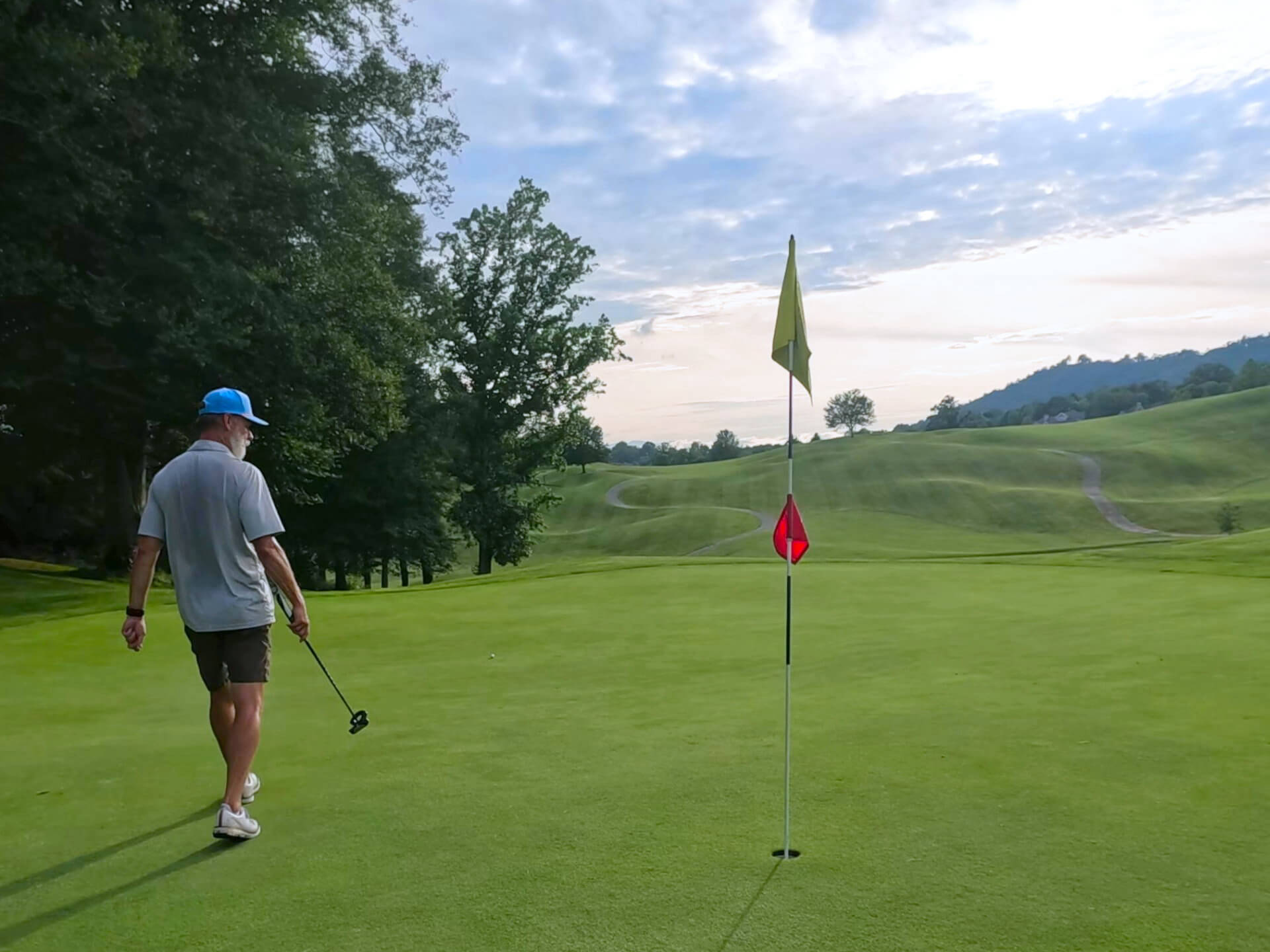
A 135-yard par-3, a gap wedge, and a launch monitor produced the cleanest indictment of cheap golf balls a mid-handicapper has filed in a while: 5,307 rpm of backspin with a Pro V1, 3,675 rpm with a Top Flite XL. Same swing, same hole, same club. The Titleist checked and spun back. The Top Flite released into the distance.
That data point, courtesy of a MyGolfSpy contributor working through a Scratch-by-50 project, is the kind of side-by-side that the value-ball category has spent two decades hoping casual golfers would not run. Top Flite, now owned by Dick's Sporting Goods after its 2012 acquisition out of Callaway's bankruptcy-era divestiture, has built its modern identity on a single proposition: 15 balls for under twenty bucks, maximum distance promised on the box, no further questions. The cover is ionomer. The cover has always been ionomer. And in the most recent MGS Ball Lab testing, not a single ionomer ball performed well greenside.
The nickname Rock Flite has stuck for a reason, and the brand has historically been fine with that. The target customer is the golfer who loses sleeves, not the golfer who counts spin rates. That customer exists in enormous volume, which is how a brand sitting at #87 in the global rankings with a fractional DORMIED Index score still moves units through every big-box golf aisle in America. Volume and shelf presence, not performance reputation, is the entire business model.
The interesting structural question is what happens when MyGolfSpy's testing culture, which has spent the last five years training enthusiasts to think in spin rates and compression numbers, reaches the value-ball buyer. Kirkland's Performance+ already pulled the floor out from under premium pricing by proving a three-piece urethane ball could be made for under two dollars a unit. Vice and Snell did the same to the DTC tier. Top Flite's defensive position has always been price, but the gap between a $20 fifteen-pack and a $25 dozen of Kirkland is now small enough that even the cohort buying Top Flite for loss tolerance is starting to do the math. The contributor in question crossed that bridge in real time and isn't going back.
None of this is fatal to Top Flite. The brand has survived a Spalding bankruptcy, a Callaway ownership era, and a Dick's acquisition without meaningfully changing its product proposition, because the bottom of the ball market is structurally resilient. Beginners will always exist. So will golfers who genuinely cannot tell the difference between 3,600 and 5,300 rpm at 130 yards because they are not striking the ball cleanly enough for it to matter. That customer is real, and Top Flite owns them.
What the brand has never seriously attempted is the move up. There is no Top Flite urethane offering. There is no premium tier. The 2018 Gamer line flirted with the idea and quietly disappeared. As long as Dick's treats Top Flite as a private-label volume play rather than a brand worth investing in, the ceiling stays where it is. The next question, and it is the only one that matters for the brand's trajectory, is whether ownership ever decides #87 is a floor worth climbing off of, or a floor worth defending.