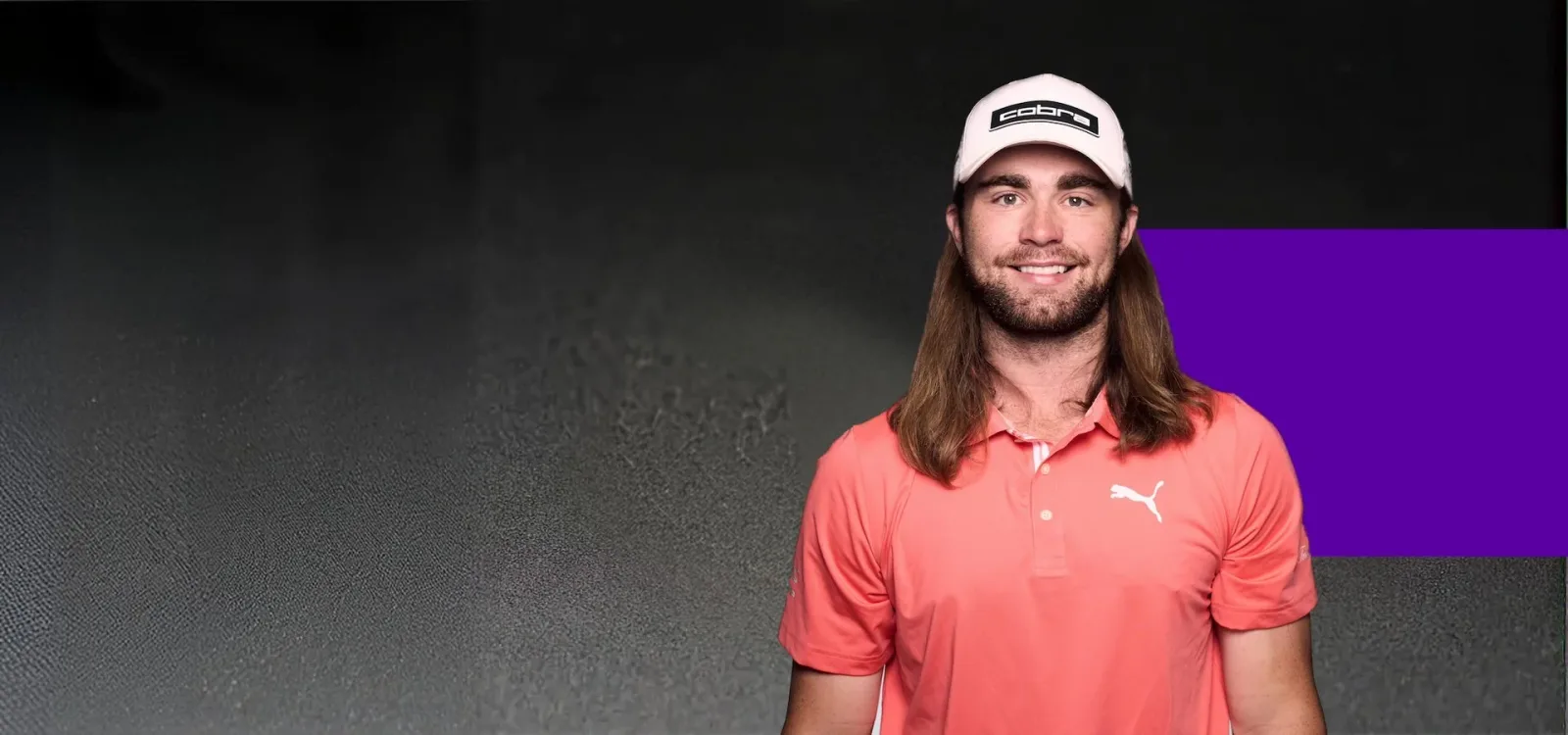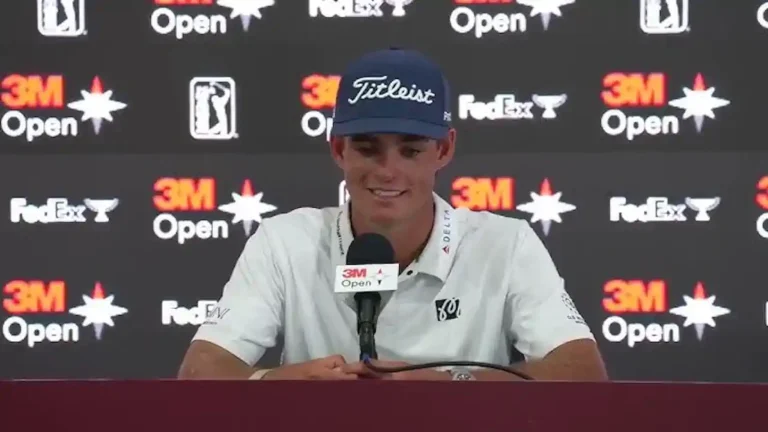
Jackson Koivun beat Scottie Scheffler by three at TPC Twin Cities on Sunday, closing at 25-under in his third career PGA Tour start. The 21-year-old Wake Forest product now has a $1.6 million payday, a tour card conversation to have, and a swing profile that has lived on a Trackman screen since he was in middle school.
That last part matters more than the trophy for a category that has spent the last decade quietly rewiring how elite golf gets taught. Koivun is a member of the first true launch-monitor generation: players who were 10 years old when Trackman IV shipped in 2015, whose junior coaches spoke in spin loft and attack angle before they spoke in feel, and whose swings were built to numbers before they were built to shot shapes. The kid told reporters at the John Deere that he tries not to think about his game off the course. The reason he can afford that mental luxury is because the work has already been quantified.
Is Trackman Losing Launch Monitor Market Share to Foresight?
Trackman's positioning inside the tour ecosystem is worth pausing on. The company has been the reference-standard launch monitor on the range for more than a decade, but the June DORMIED Index reading has the brand at #27 globally and down 18.3% month-over-month, its softest reading of 2026. Foresight has taken meaningful share in the indoor simulator category. Full Swing has the Tiger endorsement and the celebrity marketing budget. Uneekor and Bushnell are pricing into the prosumer tier Trackman used to own by default. The tour range is still Trackman country. The garage, increasingly, is not.
Which is why a Koivun win matters to Vedbaek in a way it doesn't matter to Titleist or Ping. Player-development stories are Trackman's most defensible marketing asset, because no competitor can retroactively claim the ten thousand range sessions that built the swing. The last comparable moment was Ludvig Aberg's rise in 2023, and Trackman leaned into it appropriately. Whether the brand mobilizes around Koivun the same way, given the current share pressure, is a real question. The equipment sponsorships around this player will be fought over. The launch monitor relationship should already be locked.
How Does the Trackman-Native Generation Approach Swing Work?
The deeper story here is generational. Koivun's answers at the John Deere, the YouTube scrolling, the refusal to grind on swing thoughts off the course, describe a player who has externalized the technical work to the machine. That is exactly the psychological profile the Trackman-native cohort was supposed to produce: less swing anxiety because the diagnostics are handled elsewhere, more bandwidth for course management and competitive temperament. Scheffler, at 29, still talks about feel. Koivun, at 21, talks about not thinking. The next decade of tour golf is going to be played by people whose relationship with their own swing was mediated by a radar unit from the beginning.
Trackman's brand challenge in 2026 is that the technology has become invisible in the way plumbing is invisible: essential, assumed, and increasingly commoditized in the consumer conversation. A Koivun win is a reminder that the professional pipeline still runs through Vedbaek's hardware. Whether the company can translate tour credibility into consumer share against a field that has caught up on specs and undercut on price is the story of the back half of the year. The 3M Open just handed them a talking point. The next move is theirs.