
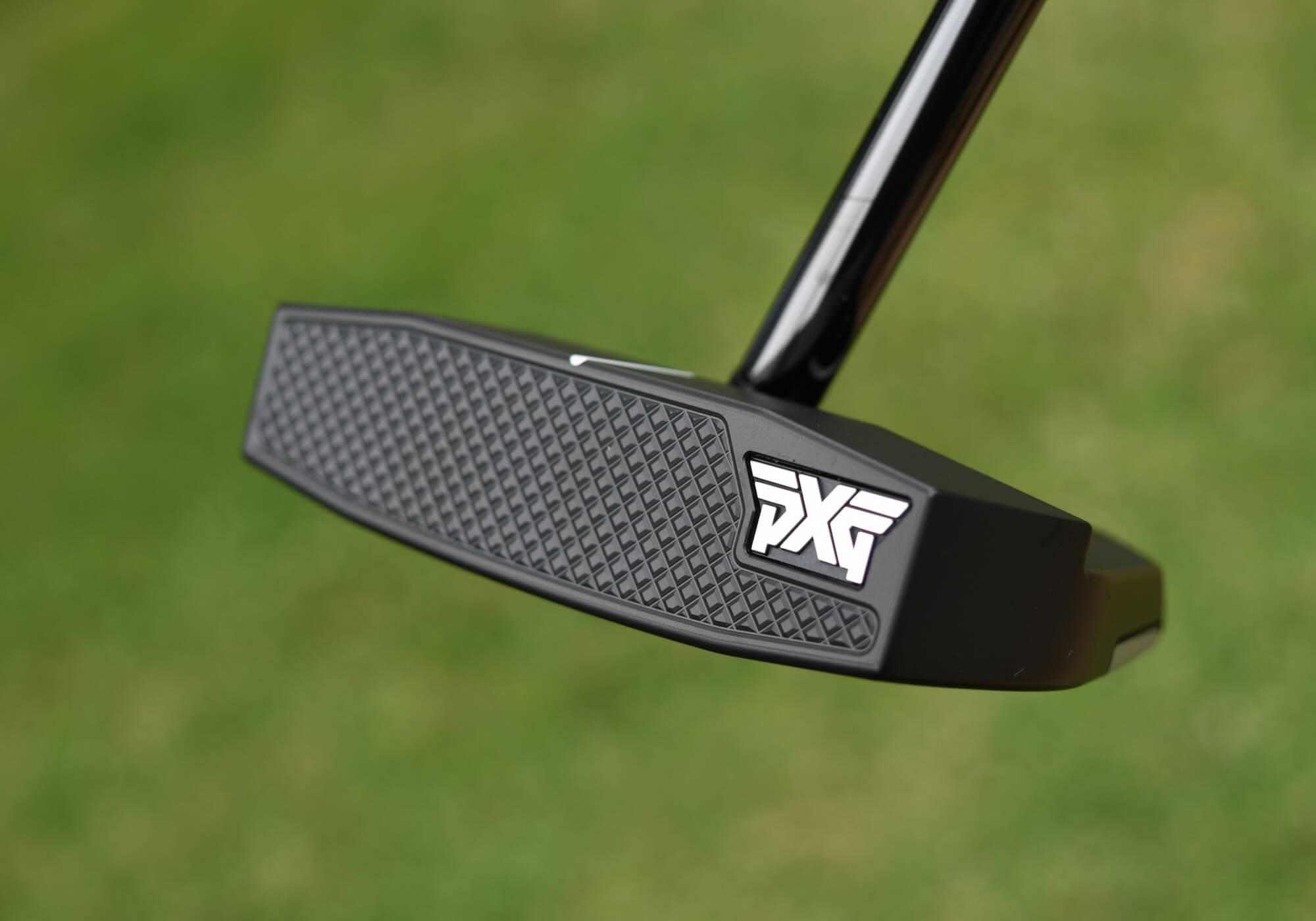
The One & Done ZT is PXG's fourth zero-torque putter release inside eighteen months, and it landed in June, roughly six months after the industry's usual January launch window. That timing is not an accident. It's the whole point.
Every other major OEM builds a release calendar around the PGA Show and Masters week. PXG doesn't. Bob Parsons built the company on the premise that traditional golf industry rhythms exist to be ignored, and putter releases have become the clearest expression of that thesis. The One & Done ZT joins the Allan ZT, the Hot Rod ZT, and the Mustang ZT in a lineup that now covers essentially every zero-torque geometry a fitter could ask for: traditional blade, non-traditional blade, novel-hosel mallet, and center-shafted mallet. No other OEM is close to that breadth in the zero-torque category.
The engineering on the One & Done ZT is real. Thin hollow stainless body, 0.055-inch pyramid-milled face, S COR polymer fill behind the face to prevent collapse at impact and boost MOI. Torque is eliminated by attaching the shaft directly through the CG rather than solving the problem at the hosel, which is the same approach as the Hot Rod ZT. Add the multi-material M16 shaft and the adjustable weighting and you have a putter that is genuinely over-engineered for its price point. PXG has always been over-engineered for its price point. That was the founding brand promise in 2014, and it has never wavered.
The L.A.B. comparison is going to come up because the perimeter shapes rhyme, and it should be dismissed for the reason product people already know: development cycles for a milled putter run twelve to eighteen months minimum. The One & Done lineage predates L.A.B.'s VZN.1 by years. What's actually happening is convergent design. Once the industry accepted that torque-balancing was a legitimate engineering problem rather than a marketing gimmick, and L.A.B.'s tour wins in 2023 and 2024 forced that acceptance, every serious putter maker started arriving at similar-looking solutions. Physics narrows the design space.
The broader read: PXG's putter category is doing work the driver and iron lines can't. PXG sits at #13 globally in brand intelligence rankings with flat month-over-month movement, and the club business has been fighting for oxygen against TaylorMade, Titleist, and Callaway for a decade. Putters are where a challenger brand can still win a fitting on merit, because the category rewards feel, geometry, and specificity over tour validation. Scotty Cameron owns the top of the market on heritage. L.A.B. owns the zero-torque conversation on tour proof. PXG is trying to own it on breadth and engineering density, and the June release cadence is designed to keep the category conversation refreshed while competitors are quiet.
The question for PXG is whether flooding the zero-torque shelf produces category ownership or category fatigue. Four ZT models in eighteen months is a lot of SKUs for fitters to learn and consumers to sort through. The next twelve months will tell whether the strategy consolidates PXG's position as the zero-torque specialist or dilutes it. Watch for a tour win on a PXG ZT model. That's the credential the lineup still needs.