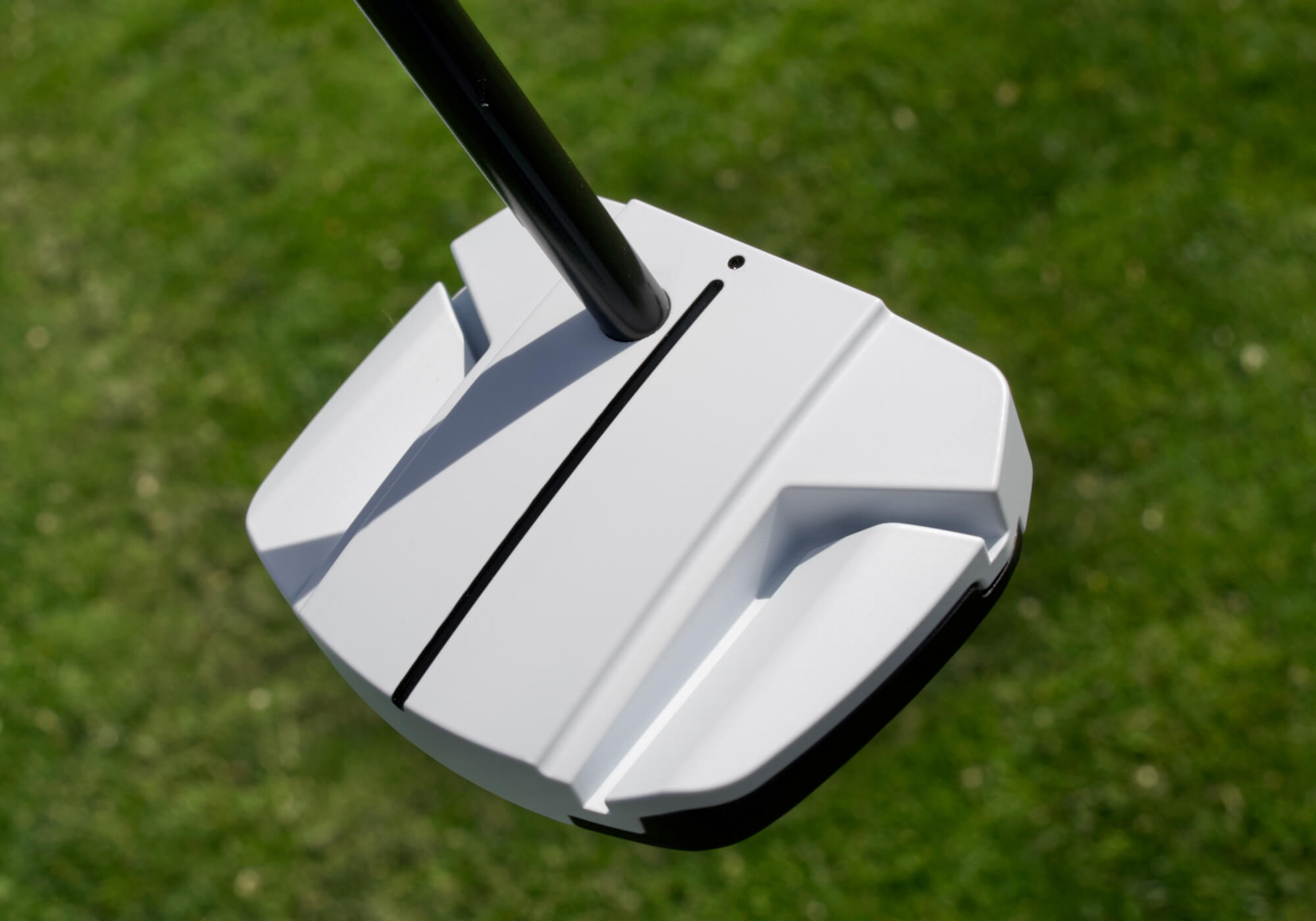
Signing a player to an exclusive putter deal the day before a major is not a decision made on instinct. PING announced its agreement with Wyndham Clark on June 17, the day before the U.S. Open began at Shinnecock. Five days later, Clark won his second U.S. Open with the Scottsdale TEC Ally Blue Onset in the bag, and credited the putter by name at the trophy ceremony.
Why Did PING Sign Wyndham Clark Before Shinnecock?
The contract is the news. The timing tells you what kind of company PING has become. Karsten Solheim's company built its reputation on engineering arguments first and tour validation second, and for most of its history, PING was not the brand chasing high-profile late-stage signings. The Anser was on tour for a decade before the marketing caught up to it. The Eye2 sold itself. PING's tour staff has historically been built around long-tenured equipment loyalists like Louis Oosthuizen and Bubba Watson, players who stayed because the irons fit, not because the check cleared. Locking in Clark 24 hours before a major is a different posture, and it reads as a company that watched the data and moved on it.
What the data said was hard to argue with. Clark had used the Scottsdale TEC Ally Blue Onset since the Houston Open in April. At the CJ Cup Byron Nelson in May, he set the PGA Tour single-event Strokes Gained: Putting record, more than 12.5 strokes on the field, with a Sunday 60 that included 158 feet of made putts. His Shinnecock Strokes Gained breakdown was +1.53 putting against +0.78 approach. The ball striking was tournament-grade. The putter was the separator. PING was watching the same numbers everyone else was, and chose to formalize the relationship before someone else did.
What Makes the Ally Blue Onset Putter Different?
The putter itself is worth understanding on its merits, because onset is genuinely a niche category. Most mallets on tour, from Spider variants to the Phantom X line, are either face-balanced double-bend designs or plumber's necks with conventional offset. Onset puts the shaft entry behind the top rail, ahead of the center of gravity, which gives the player an uninterrupted view of the ball at address. Combined with PING's Eye Q alignment, built around the Quiet Eye research that has informed sports-vision training for two decades, the design has a coherent argument behind it. It is not a marketing claim dressed as engineering. Whether the average buyer adjusts to the look is the open question. Clark said it took getting used to, and he putts for a living.
The broader read is that PING has decided the mallet category is where the volume is, and it is willing to build a sub-line exclusively around it. Solheim said as much, framing Scottsdale TEC as a mallet-only family with stroke-type fitting handled through CG placement rather than head shape. That is a meaningful concession from a brand whose putter heritage is the Anser blade. Scotty Cameron has owned the premium mallet conversation through the Phantom line, Odyssey has the volume through the Ai-ONE family, and PING is making a credible technical argument that the Scottsdale TEC belongs in that conversation. A U.S. Open trophy held up by the player using it does not hurt the case.
Why Can't PING Wait for the Scottsdale TEC to Sell Itself?
PING's global brand metrics softened in May, with the DORMIED Index showing an 18.2% month-over-month decline before Shinnecock. The Clark win will almost certainly reverse that in the June reporting period, and the more interesting question is whether PING uses this moment to push the Scottsdale TEC line at retail with the kind of marketing posture the brand has historically avoided. The Anser sold itself for forty years. The Scottsdale TEC will not get that long, and PING knows it.