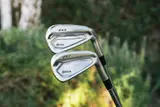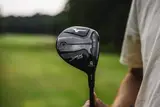
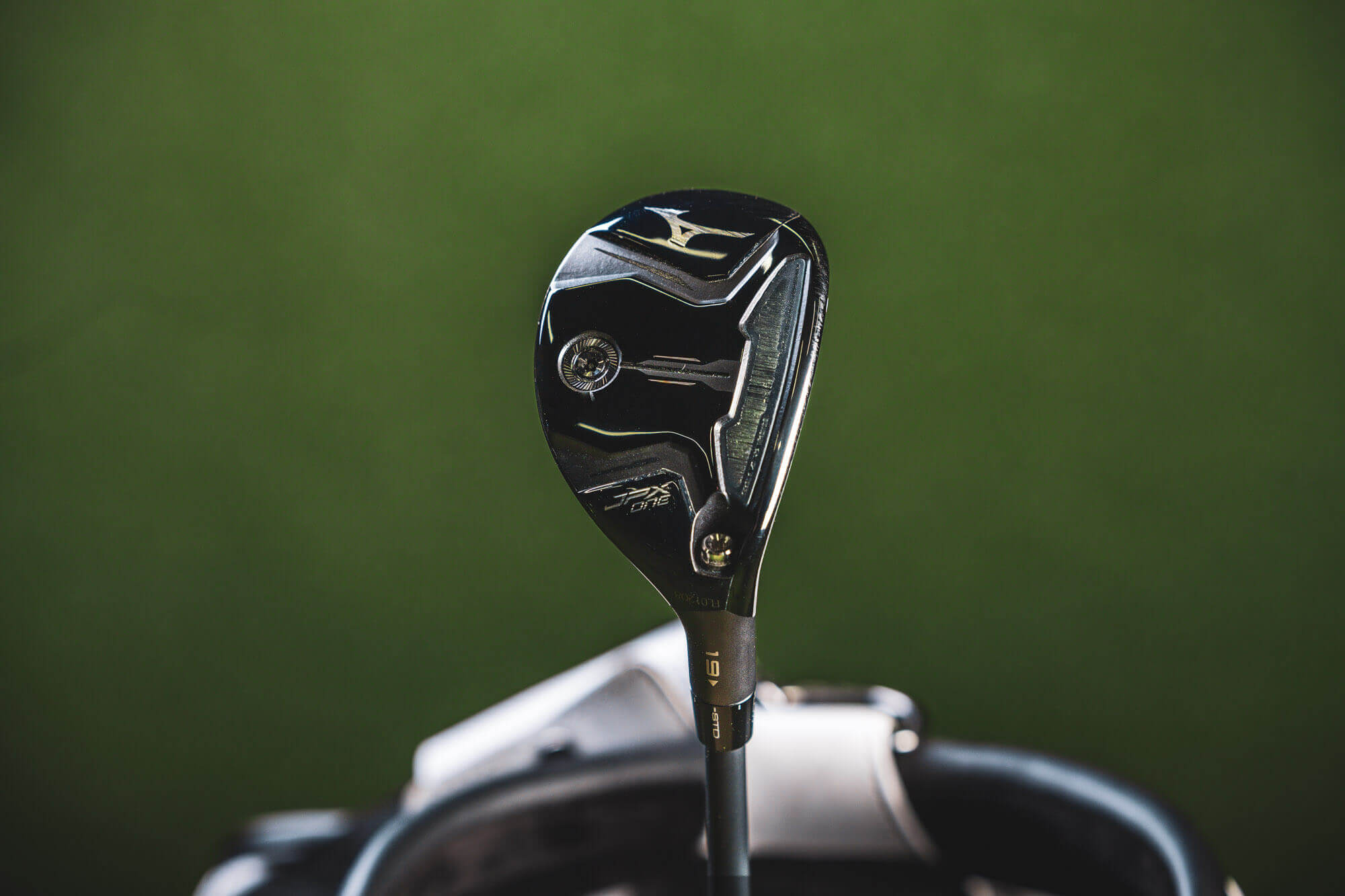
The hybrid category has not had a real brand owner since TaylorMade quietly wound Adams Golf down after the 2012 acquisition. Adams was the number one hybrid on tour for a stretch, built an entire identity around the Idea Pro and the a-series, and then disappeared into a parent company that had no interest in maintaining a second metalwood brand. Ten years later, the slot between the 5-iron and the 5-wood is still the least brand-loyal purchase in a golfer's bag. Mizuno just posted the best numbers in it.
Who Won the Most Wanted Hybrid 2026 Test?
The JPX One took the accuracy category and the overall win in MyGolfSpy's 2026 Most Wanted Hybrid test, with testers keeping 95.97 percent of shots in a playable position and averaging 0.3 yards offline across the sample. The shot area was the tightest in the field. Callaway's Quantum Max OS finished second at 95.3 percent playable with the highest straight percentage of the group at 55.52. Tour Edge's Exotics Max was third and produced the longest carry in the top three at 171.3 yards, giving up some dispersion to get it.
A word about that 0.3-yard figure, because it is the kind of number that gets screenshotted without context. An average offline near zero can describe a club that misses 15 yards left as often as it misses 15 right. The number that validates the JPX One is the shot area, not the mean. Tightest dispersion pattern plus highest playable rate is the combination that actually matters in a rescue club, because the job description here is recovery, not gain. Nobody has ever hit a hybrid hoping to pick up eight yards.
Why Is the Mizuno JPX One Hybrid Win Unexpected?
What makes this notable is where it happened. Mizuno's brand equity is built almost entirely on grain flow forged carbon steel and the most quoted tagline in the industry, and "nothing feels like a Mizuno" has never had much to say about a hollow-bodied 19-degree utility club. The company pulled its drivers out of North American distribution in the mid-2010s and did not seriously re-enter until the ST190 in 2019. For most of a decade, the honest read on Mizuno was a world-class iron company renting space in the rest of the bag. A first-place finish in a robot-adjacent dispersion test, in the club category least associated with feel, is a different kind of credential.
The commercial logic is better than the trophy suggests. Hybrids are the highest-attach, lowest-loyalty slot in a fitting bay. A golfer walking in for JPX One irons has usually already decided on the iron brand and has no opinion whatsoever about the hybrid, which historically defaults to whatever the fitter has confidence in, which historically has meant Ping or Callaway. Mizuno's fitting infrastructure, the Shaft Optimizer and Swing DNA system, is already one of the most requested carts in independent retail. Handing those fitters an independent test win gives them permission to complete the set instead of splitting it. That is incremental revenue on a club nobody was cross-shopping.
Why Isn't Mizuno's Brand Momentum Matching the Product?
The awkward part is that product performance and brand momentum are not moving together. Mizuno sits 26th globally in brand attention this month, down more than 18 percent month over month, which is the profile of a company beloved by golf's informed minority and functionally invisible to everyone else. Winning Most Wanted in a category with no incumbent is the cleanest conversion opportunity available in club marketing right now, and it will only convert if Mizuno treats the hybrid as a product line rather than a set accessory. Watch whether the JPX One hybrid gets its own campaign, its own tour seeding push, and its own shelf position by fall. Mizuno's problem has never been the club. It has been believing anyone needed to be told.