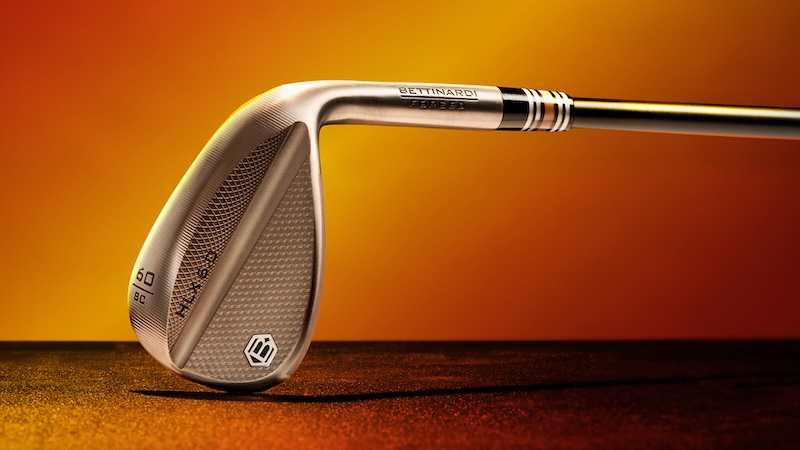
Limited-run finishes have become the boutique golf brand's version of a Supreme drop, and Bettinardi is leaning in hard with a Molten Copper PVD coating on its HLX 6.0 wedges.
The play here is straightforward. Take an existing wedge that already sells, wrap it in a finish that ages visibly with use, price it at $250, and watch collectors line up. The copper scoring surface is designed to patina over time, which sounds like marketing speak until you realize this is exactly what a certain subset of golfers wants. They want their gear to look like it has a story. Bettinardi, ranked 48th globally with a modest but rising brand index, has built its identity on this kind of detail-obsessed craftsmanship. The company's putter drops already move fast in secondary markets.
Whether copper wedges represent genuine product innovation or just another colorway release depends on your tolerance for finish-as-feature. But in a wedge market dominated by Vokey and Cleveland volume plays, Bettinardi is carving out space by being unapologetically niche. The April 17 drop will likely sell out. The question is whether anyone will game them or just display them.
The Wedge Market's Boutique Gap
Bettinardi enters wedge territory at a moment when the category's power structure looks more vulnerable than it has in years. Titleist's Vokey line and Cleveland's RTX series still command the lion's share of tour bags and retail floors, but their dominance rests on volume economics and tour validation rather than emotional connection. They sell wedges the way tire companies sell tires: on performance specs, spin rates, and grind options. This leaves a gap that Bettinardi is now probing with a very different value proposition.
The DORMIED brand index shows Bettinardi climbing steadily over the past 18 months, driven almost entirely by its putter business and limited release strategy. The company has built a following that treats golf equipment more like collectible sneakers than commodity sporting goods. Translating that energy into wedges represents a calculated gamble. Putters live in a golfer's bag for years, sometimes decades. They become totems. Wedges, by contrast, wear out. Grooves dull. Faces lose their bite. The functional lifespan of a wedge sits somewhere between 75 and 125 rounds for serious players, which creates tension with the patina aging story Bettinardi wants to tell.
This is where the $250 price point becomes interesting. At roughly double what a stock Vokey costs, the Molten Copper HLX positions itself outside the replacement cycle mentality. Bettinardi is betting that a segment of golfers will pay a premium specifically to own something that marks time visibly, even if they rotate it out of competition use after a season. The wedge becomes a rotating artifact rather than a permanent tool.
Looking at comparable moves in adjacent categories, PXG tried a similar premium disruption play in irons five years ago with mixed long term results. The difference is that Bettinardi brings genuine craft credibility from its putter heritage, while PXG led with marketing volume. Miura occupies nearby territory on pure forging quality but has never leaned into the limited drop model with the same aggression.
If the copper wedges sell through quickly and generate secondary market activity, expect Bettinardi to expand the wedge program with additional finishes and possibly a full scoring club lineup. The real signal to watch is whether tour players start putting these in play without contracts. That organic adoption would validate the performance story that the patina narrative currently obscures.
The Finish Economy Takes Hold
Bettinardi's copper wedge play reveals something broader happening across premium golf equipment. Finish has become product. What started as custom shop upsells and tour department one-offs has evolved into a primary differentiator for brands operating below the tier-one volume threshold. Cobra experimented with this through its limited colorway drivers. TaylorMade dipped in with its MyStealth customization platform. But Bettinardi is treating finish as the core value proposition rather than an add-on, and that distinction matters.
The DORMIED sentiment data shows a clear pattern among brands ranked 40th through 60th globally. Those gaining ground share one characteristic: they have stopped competing on performance claims alone. The equipment conversation has fractured. Tour validation still matters for the Callaways and Titleists of the world, but a growing segment of engaged golfers now prioritizes aesthetic identity and brand narrative over marginal spin rate improvements. Bettinardi recognized this shift earlier than most, building its putter business on milling patterns and finish options that photograph well and age distinctively.
This creates a strategic question for mid-tier brands watching from similar positions. Srixon, ranked 31st in the DORMIED index, continues to push performance messaging while losing ground on social engagement metrics. Mizuno, at 23rd, has the craft heritage to play the finish game but remains committed to a purist forging story that resists the drop model. Neither has found the formula Bettinardi is now testing.
The risk for Bettinardi sits in category dilution. Putters and wedges share shelf space but occupy different mental categories for golfers. Putters feel permanent. Wedges feel functional. Stretching the patina story across both requires convincing buyers that a wedge can carry emotional weight despite its shorter useful life. Early pre-order numbers suggest the audience exists, but sustaining it will demand continuous creative output.
If this drop performs, Bettinardi's next logical move is a limited irons release, likely a small batch muscle-back with similar finish treatment. The brand is building toward a full bag story told entirely through materials and aging characteristics.