A testing problem is fixable in one product cycle. A distribution problem takes a decade, and no amount of independent validation shortens it. Wilson has spent the better part of fifteen years proving the first half of that sentence and living inside the second.
What Did MyGolfSpy Testers Find in the DYNAPWR Forged?
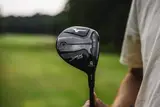
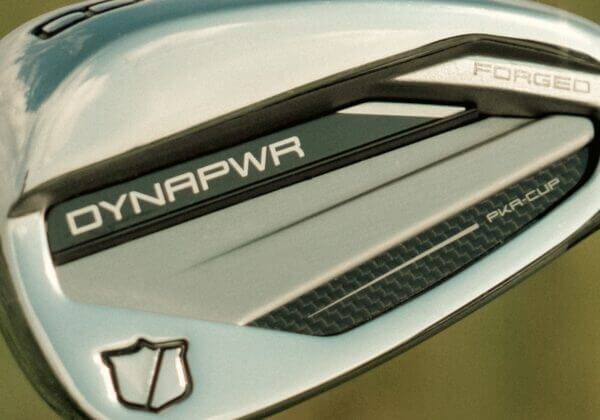
The DYNAPWR Forged won MyGolfSpy's 2026 Most Wanted Players Distance Iron, which is the most competitive and most crowded iron category in the game. Rather than stop there, MyGolfSpy handed sets to two forum testers for six weeks of actual golf. Both kept them. One, a longtime TaylorMade P770 player, said the Wilsons made his P770s feel clicky by comparison, praised the cambered sole for producing thinner divots, and reported his handicap dropping close to a full stroke over the summer. The other summarized it in four words: these are staying in the bag.
That is a genuinely strong result, and it is also the most familiar story in Wilson Golf. The Duo Soft has won ball testing awards repeatedly. The D9 and the original DYNAPWR line both tested near the top of their categories. Wilson's own count puts 62 major championships in the bag with its clubs, more than any other manufacturer, a number that mostly reflects an era ending around the time Ping and Callaway learned how to sell. Wilson has been winning the argument on merit since Driver vs. Driver aired on Golf Channel in 2016, a show that was itself an admission the brand could not buy its way back into the conversation. It has not translated into meaningful iron share. The brand sits 49th globally in the DORMIED Index this month, down 18.5 percent, in the same window it won one of the sport's most credible product awards. Testing wins and market visibility have almost nothing to do with each other.
Why Does the TaylorMade P790 Own Players Distance Irons?
The reason is structural, and it is not about the golf club. Players distance as a shelf category has belonged to the P790 since 2017. TaylorMade did not just build a good iron, it built the default answer a fitter reaches for when a mid-handicap player says he wants something that looks like a blade and goes like a game improvement iron. Iron purchases at this price point happen in a fitting bay, and the fitting bay is a distribution asset. Titleist runs thousands of fitting events a year. Club Champion has more than 130 locations and a business model built on comparing heads. Wilson's demo and fitting footprint is a fraction of that, and its tour proof loop has been quiet since Gary Woodland won Pebble Beach in 2019. When the tester in this review said he was disappointed to be assigned Wilsons, he was reporting the actual market condition, not a personal bias.
The honest part of the review deserves a note too. The tester flagged occasional flyer-like distances from the 5-iron, 7-iron and pitching wedge. That is the known tax on this architecture: a thin high-strength face welded into a forged body with internal filler produces speed and softens sound, and it also produces a wider spread of ball speeds when the ball sits up or contact drifts high on the face. The P790 drew the same complaint in its first two generations, and it sold roughly a million sets anyway. Wilson landed in the same trade-off as the category leader. That is not a defect so much as evidence the engineering is genuinely competitive.
How Does Amer Sports Ownership Affect Wilson Golf?
Which makes 2027 the interesting question. Wilson Golf now lives inside Amer Sports, publicly traded since February 2024, where the growth story is Arc'teryx and Salomon and golf is a line item that has to justify shelf space against categories growing three times faster. Product credibility is the cheapest thing Wilson currently owns, and it is not scarce. The thing to watch is not the next iron launch. It is whether a DYNAPWR Forged head shows up in the fitting carts at Golf Galaxy and PGA Tour Superstore, and in Club Champion's comparison matrix, before the award stops being current. Wilson keeps winning the test. The test is not where irons get sold.