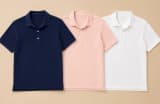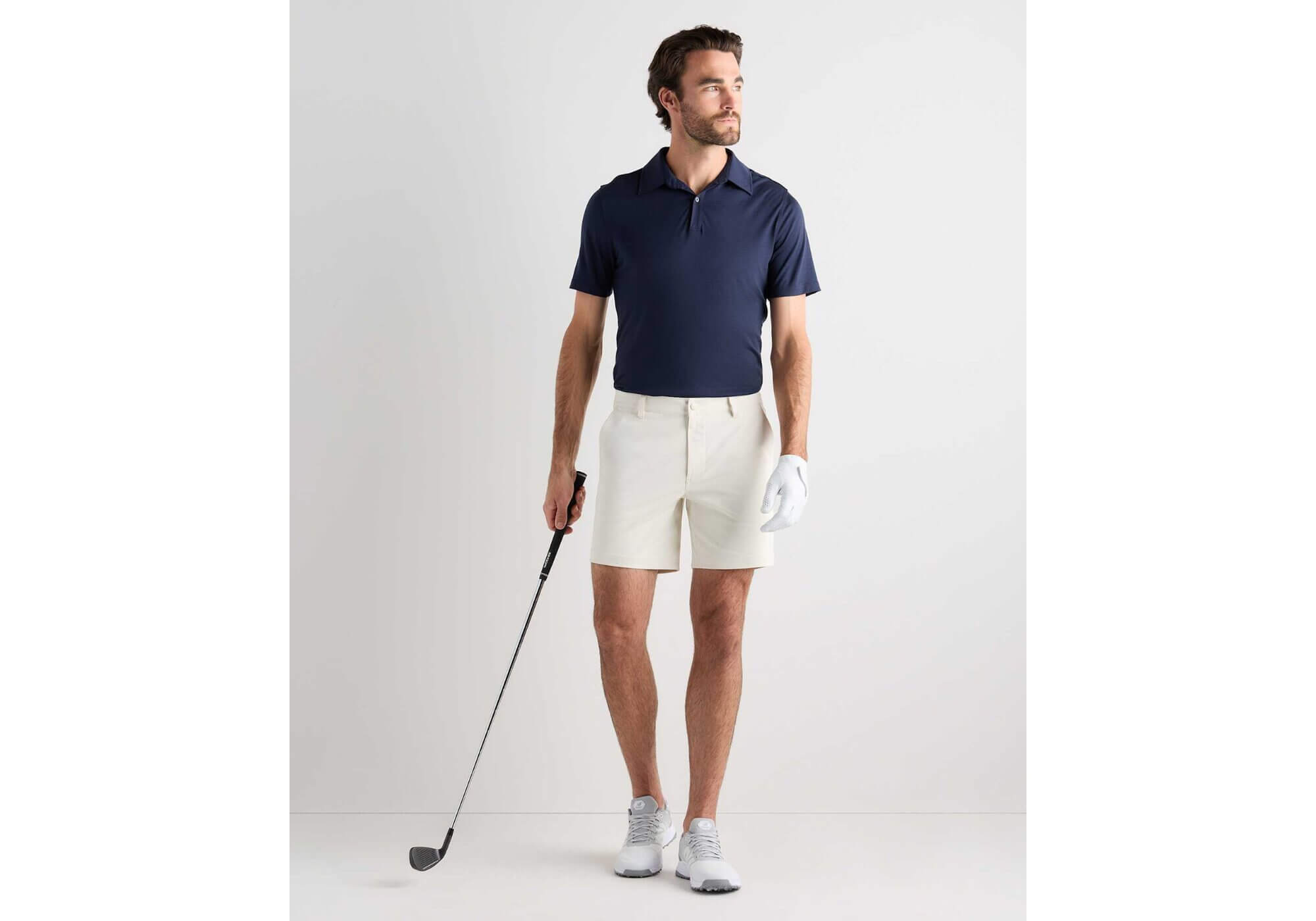
Getting name-checked in a budget gift guide as the brand you're not buying is a particular kind of market signal. Holderness & Bourne caught one this week.
In a MyGolfSpy Father's Day roundup of value picks, H&B appears exactly once, as the price comparison that makes Quince look like a steal. The exact line: a full Quince outfit (polo, shorts, belt) runs $138, which the writer notes is roughly the price of a single Holderness & Bourne polo. The brand isn't reviewed, isn't recommended, isn't even really discussed. It's the ceiling the budget brand is measured against.
That's not a bad place to be, depending on how you read it. H&B has spent the better part of a decade building a country-club-coded apparel brand with the construction details to back the prices: heavier Peruvian Pima knits, mother-of-pearl buttons, a tailored fit that actually reads tailored. The brand sits at #10 in this month's global rankings in the Apparel and Footwear category, which is not the position of a label in trouble. Being expensive on purpose is the entire business model, and it's working.
But the comparison itself is the interesting part. Quince is a venture-backed direct-to-consumer brand that built its reputation on cashmere sweaters at one-third the price of Everlane, and it has spent the last 18 months quietly expanding into golf apparel with the same playbook: technical fabrics, no logos, no retail markup, no story. The fact that a major golf publication is now using H&B as the reference price for what a polo "should not" cost suggests Quince has done enough volume in the category to be taken seriously as the alternative. That's the shift worth tracking. Two years ago, the budget alternative to H&B was Uniqlo or a Costco Kirkland polo, neither of which were credible threats. Quince is a credible threat because it's making clothes a 35-year-old who reads GQ would actually wear.
None of this means H&B's customer is going anywhere. The person buying a $78 polo from H&B is buying the signaling as much as the shirt, and Quince cannot replicate that, by design. What it does mean is that the middle of the market, the $45 to $65 polo from a brand without a clear identity, is getting squeezed from both ends. H&B owns the top. Quince is building a beachhead at the bottom. The brands in between, the ones that priced themselves at premium but never built the premium signal, are the ones who should be reading this gift guide with a highlighter.
The other read here is generational. Father's Day gift guides skew toward the buyer, not the wearer, and the buyer in this case is increasingly a younger adult child shopping for a dad who already owns plenty of golf shirts. That buyer is more price-conscious, more brand-skeptical, and more likely to have heard of Quince than of H&B. If H&B has a long-term exposure, it's that the next wave of gift-givers doesn't have the brand on their radar at all, because the brand has never spent against that audience. The country club referral engine got H&B to #10. It probably won't get them to #5.
The smart move for H&B over the next 12 months isn't to lower prices or chase Quince downmarket. It's to make sure the under-35 cohort knows what they're looking at when they see the logo on a tour caddie or a club pro. The brand has the product. What it needs is for the next gift guide to mention it as the aspirational pick, not the cautionary one.