Ten-year anniversaries in the shaft business are worth noting mostly because so few boutique brands get one. Matrix was in nearly every OEM catalog and on tour bags at the top of the world ranking, and then it wasn't. Oban built a devoted fitter following and faded from the conversation. The aftermarket graphite category is brutally unsentimental, and surviving a decade in it as a self-funded operation is a harder achievement than any single product launch.
Which Shafts Does VA Composites Sell Through Fitters?
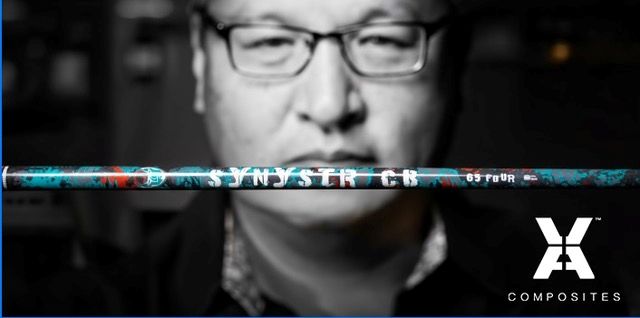
VA Composites marked that decade this month from its Pinehurst headquarters, where founder Victor Afable and president Heather Shook-Afable now oversee a lineup spanning woods, irons, hybrids and putters: RAIJIN, RAIJIN BLACK, RAIJIN 2.0, SLAY, DRAGO, VYLYN, BADDAZZ, BADDAZZ GOLD, SYNYSTR, SYNYSTR CB and NEMESYS, with a SYNYSTR HL on the way. The shafts reach the market through roughly 400 authorized fitters and dealers worldwide, and VA holds custom-order relationships with Callaway, Titleist, Ping, TaylorMade and Cobra. The material story is 40T carbon and T1100 prepreg, which is the same shelf most premium Japanese-sourced shafts are pulling from. That part is table stakes now, not differentiation.
The more interesting line in the announcement is the buildout of a media production space at the Pinehurst facility for podcast, video and social content. A shaft company that sells exclusively through fitters has historically had no reason to talk to golfers directly. The fitter was the customer, the fitter was the salesperson, and the golfer found out what a VA shaft was roughly four minutes before it went into a head. Accra built an entire business on that logic and defended it for years. Constructing a studio is an admission that the logic changed.
Why Do Aftermarket Golf Shafts Need Consumer Marketing Now?
What changed is where shaft demand now originates. Autoflex proved in 2021 that a shaft could generate a waiting list on the strength of YouTube content and forum arguments before a single fitter recommended it, and it did that with a technical story most engineers found unconvincing. LA Golf followed with tour signings and a consumer-facing brand voice. The modern golfer walks into a fitting bay with three shafts already in mind, sourced from a WRX thread and a launch monitor video. A fitter-only distribution model still controls the transaction, but it no longer controls the shortlist, and being absent from the shortlist is how a brand ends up profiled for bend, torque and deflection that nobody asks for by name.
The OEM catalog relationships cut both ways here. Sitting in the Callaway, Titleist, Ping, TaylorMade and Cobra custom order books moves volume, and it is the only channel where a boutique shaft brand reaches buyers who will never book a fitting. It also delivers the buyer to the shaft rather than the reverse. Nobody develops loyalty to a name they selected off a dropdown menu at no upcharge. That is why the direct content play matters more than the fitter count: 400 accounts is a healthy independent network, but it is a distribution number, not a demand number.
What Should Golfers Watch in the SYNYSTR HL Launch?
VA sits at 191st of 215 brands in DORMIED's global ranking with a 21.9 percent month-over-month move, which is roughly what a decade of deliberately quiet operation buys you in share of voice. The trajectory question for the second decade is whether Pinehurst can produce content that makes a golfer request a DRAGO by name, because the engineering has never been the constraint. Independently profiled bend and torque data is exactly what fitters want and exactly what consumers ignore. Watch the SYNYSTR HL launch. If it arrives with a video campaign instead of a spec sheet, VA has read the category correctly.