One hundred PGA Tour wins since 2008. Twenty-eight in the last two seasons alone. Four majors in that window. Five of the first six events of 2026. The TaylorMade Spider isn't having a moment. It's finishing an eighteen-year takeover most of the industry didn't notice until Scottie Scheffler picked one up.
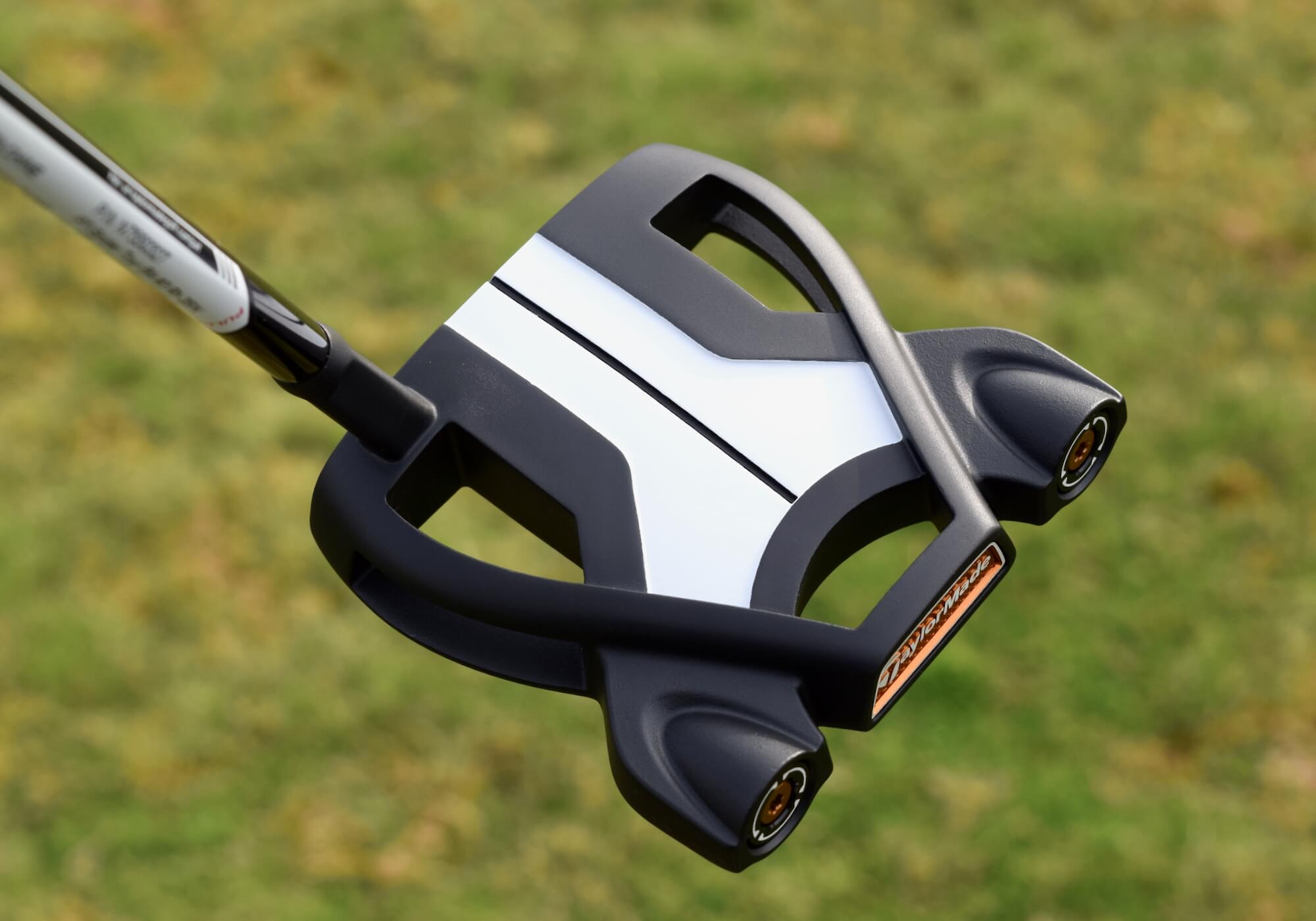
The Rossa Monza Spider launched in 2008 with a design language that looked, at the time, like a science experiment. Multi-material construction, extreme perimeter weighting, oversized footprint, alignment features you could see from the fairway. Compare that to what was on retail shelves in 2007: Anser-shaped blades, some 2-Ball derivatives, a Newport variant, and a handful of mallets that still apologized for being mallets. The Spider didn't apologize. It priced looks below performance and asked the golfer to accept the trade. Enough of them did that the entire mallet category reorganized around the answer.
The more interesting historical parallel isn't a putter. It's the original Big Bertha in 1991. Not because the products are similar, but because both made a category-defining bet on a shape golfers initially found strange, and both forced every competitor to respond within a product cycle. Look at Odyssey's Ai-ONE Rossie, Ping's Tyne, Bettinardi's Inovai, Evnroll's ER5, LAB's Mezz. The Spider's fingerprints are on all of them. Multi-material inserts, high-MOI mallet geometry, aggressive alignment. That's the Spider ruleset.
What separates the Spider from other successful mallets is the tour data, and specifically the Scheffler data point. In 2023 he ranked 162nd in Strokes Gained: Putting while leading the world tee to green. After the Spider switch and the Phil Kenyon work, he moved into the top 25. The equipment change and the coaching change are entangled, but the visual on tour was unambiguous: the best ball-striker in golf picked a Spider and started winning majors with it. That is the kind of endorsement money can't manufacture, and TaylorMade got it without a paid switch. Rory closed the loop.
The sales response is where this stops being a golf story and becomes a business story. TaylorMade doesn't publish putter unit numbers, but the retail signal is loud. Spider inventory turns fast at green grass and big-box. The brand has run a driver-first identity for two decades while quietly building the most important single putter family since the Anser. Odyssey still wins on total brand volume and tour count. No single Odyssey model matches what the Spider has become as a franchise. That distinction matters. Putter buyers shop model, not brand.
A month-over-month softening in the June index reads less like Spider fatigue and more like the natural cooldown after a spring that included five wins in six events and a Masters conversation dominated by TaylorMade's short-game story. The forward question isn't whether the Spider stays hot. It's whether TaylorMade can extend the franchise without diluting it. The Spider Tour, Spider X, Spider GT, Spider Tour Z, and now the Spider ZT line have all shipped without cannibalizing the core identity, which is harder to pull off than the release cadence suggests. Ping learned that lesson with the Anser over sixty years. TaylorMade is roughly a third of the way through the same test, and so far the grade is higher than anyone at Callaway or Odyssey wants to admit.