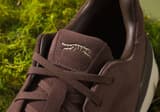

The adipower 26 earned MyGolfSpy's Best Value badge in the outlet's 2026 golf shoe testing, beating out roughly three dozen competitors on the performance-to-price ratio. At $140, it undercuts most premium golf footwear by a wide margin while delivering what testers called near-perfect fit and top-tier lateral stability.
This is becoming a pattern for Adidas Golf. The brand has not produced a below-average shoe in MyGolfSpy's testing since 2024, which is a quietly impressive streak in a category where even major players whiff regularly. The adipower 26 trades some of the plush cushioning found in other Adidas models for a firmer ride, but that is a deliberate choice for golfers who prioritize ground feel and stability over cloud-like comfort. The shoe sits in a sweet spot: firm enough for performance, soft enough for 18 holes, cheap enough to justify buying two pairs.
Adidas Golf currently sits at 21st globally in our brand rankings, up 49 percent month-over-month. That momentum tracks with a footwear strategy that keeps winning third-party validation without relying on premium pricing or athlete hype cycles.
The Footwear Gap With FootJoy Narrows
Adidas Golf's quiet dominance in independent testing creates an interesting problem for FootJoy, the category's longtime market leader. FootJoy still commands roughly 30 percent of on-course footwear sales in North America, but that lead rests increasingly on brand inertia rather than performance superiority. The adipower 26's Best Value recognition marks the third consecutive year Adidas has earned a category badge from MyGolfSpy while FootJoy has collected none.
This matters because footwear operates differently than other golf equipment categories. Clubs require fitting, create switching costs, and generate emotional attachment. Shoes do not. A golfer who plays FootJoy today faces zero friction in buying Adidas tomorrow. Brand loyalty in footwear is shallow, which makes third-party validation disproportionately powerful. When a respected testing outlet tells golfers they can get better performance for less money, some percentage will act on that information immediately.
FootJoy's response has been predictable but insufficient. The brand continues releasing premium models in the $180 to $220 range, banking on its heritage positioning and Tour presence. That strategy works until it does not. DORMIED data shows FootJoy's brand momentum score has remained flat for six consecutive months while Adidas Golf climbed 49 percent in the same period. The trajectories suggest a slow category realignment rather than a sudden collapse, but the direction is clear.
Adidas also benefits from infrastructure FootJoy cannot match. The Three Stripes operation pulls from a global athletic footwear supply chain that produces running shoes, basketball shoes, and lifestyle sneakers at massive scale. That supply chain advantage translates directly into the $140 price point that earned the Best Value badge. FootJoy, operating as a golf-only brand under Acushnet, lacks equivalent manufacturing leverage. Every dollar of margin pressure hits FootJoy harder.
The coming twelve months will reveal whether FootJoy recognizes the threat. The brand needs a testing win, a price-competitive flagship, or both. Absent those moves, Adidas Golf will continue converting value-conscious buyers one shoe review at a time. Adidas does not need to overtake FootJoy in total market share to win this phase. It only needs to establish itself as the default recommendation for golfers who research before they buy, a segment that grows larger every year.
The Lifestyle Crossover Advantage
Adidas Golf benefits from a halo effect that pure golf brands cannot replicate. The Three Stripes carries cultural weight in streetwear, running, and soccer that spills over into the golf category without requiring additional marketing spend. A 25 year old buying the adipower 26 already trusts Adidas from years of wearing Stan Smiths or Ultraboosts. FootJoy has no equivalent entry point. The brand exists only on golf courses, which limits its addressable audience to people who already play the game.
This dynamic accelerates as golf demographics shift. Topgolf, simulator bars, and pandemic era course adoption brought millions of new participants into the sport over the past five years. These golfers do not carry the same brand associations as legacy players. They did not grow up seeing FootJoy ads in Golf Digest or watching Tour pros in Classics. They recognize Adidas from their closets, their Instagram feeds, and their local sneaker stores. When these newer golfers search for their first real pair of golf shoes, Adidas starts with an awareness advantage that FootJoy must spend money to overcome.
DORMIED's audience affinity data supports this pattern. Adidas Golf over indexes with golfers under 35 by a significant margin compared to FootJoy. The brand also shows stronger crossover engagement, meaning users who follow Adidas Golf content frequently engage with non golf Adidas properties. FootJoy's audience remains siloed within golf specific channels. That siloing creates a ceiling on organic growth.
The lifestyle crossover also protects Adidas during golf's inevitable cyclical downturns. When rounds played decline or equipment spending contracts, pure golf brands absorb the full impact. Adidas Golf operates as a division within a diversified athletic company that can subsidize golf operations during lean periods. FootJoy, housed under Acushnet alongside Titleist and Vokey, depends entirely on golf industry health.
Adidas Golf's next logical move involves pushing the lifestyle angle harder, potentially releasing golf ready versions of iconic silhouettes or collaborating with designers who bridge athletic and fashion audiences. The brand has permission to operate in spaces FootJoy cannot credibly enter.