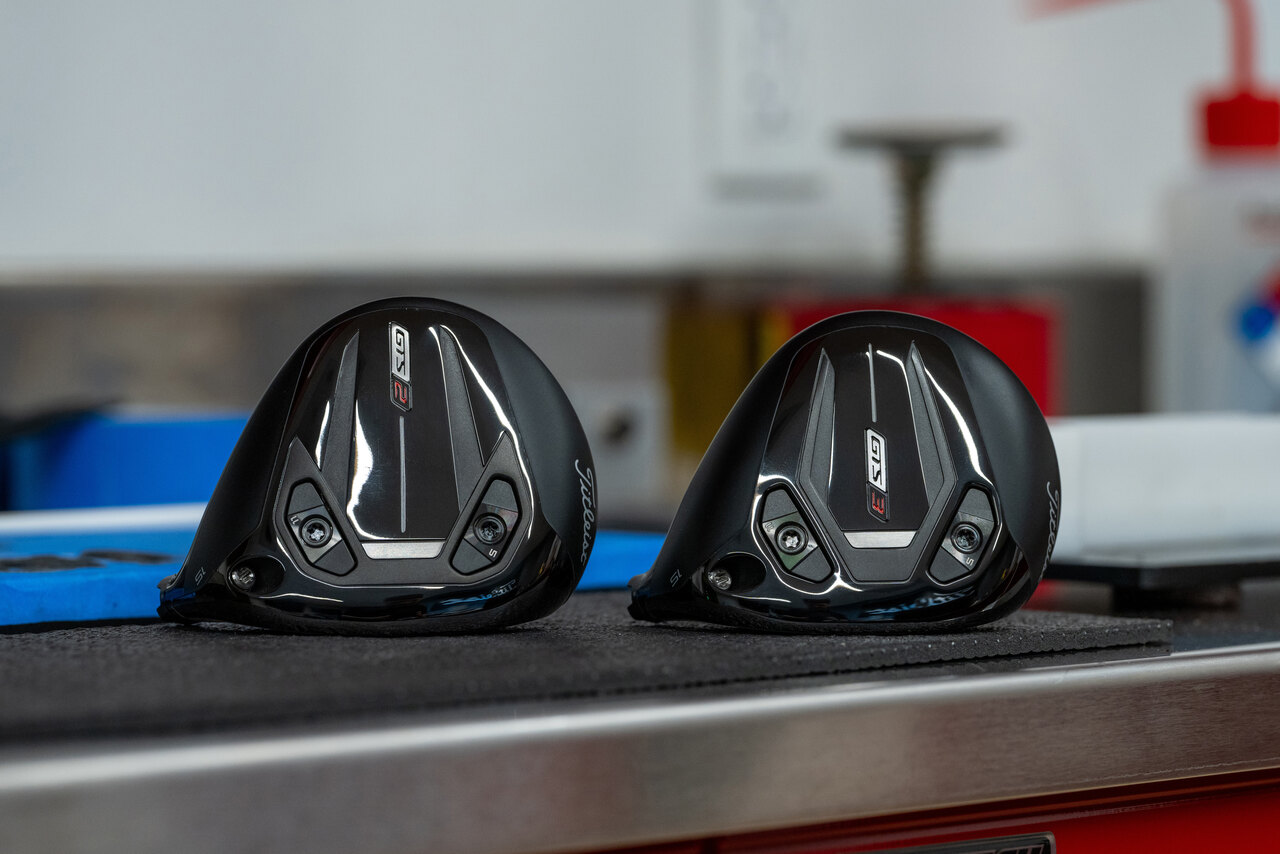
Cameron Young and Johnny Keefer have already put GTS3 7-woods in play, with Keefer testing his at the Texas Children's Houston Open and Young debuting his at Augusta National on Thursday.
The fairway rollout follows a driver launch that has been nothing short of a statement. More than 40 PGA Tour players have switched to GTS drivers in three weeks, and at the Valero Texas Open, Titleist had more drivers in play than any competitor's entire driver count. Justin Thomas added his GTS2 driver at the Masters. That kind of adoption speed does not happen by accident. It happens when a brand has spent decades building trust with tour professionals who treat equipment changes like surgical decisions.
Titleist holds the top spot in the DORMIED global rankings with a perfect 100 score, up 50 percent month over month. The numbers reflect what the tour bags already show. When players at the RBC Heritage and JM Eagle LA Championship start testing GTS fairways this week, the question is not whether Titleist will extend its metalwood presence but by how much. The company that built its reputation on balls and wedges is making a serious case for owning the top of the bag too.
The TaylorMade Problem Gets Worse
TaylorMade has owned the metalwood conversation for the better part of two decades. The company built its identity around driver innovation, from the original R7 Quad to the movable weight systems that became industry standard. Tour players trusted TaylorMade to deliver distance, and that trust translated into commercial dominance. But the GTS launch has exposed a vulnerability that competitors have struggled to exploit for years.
The numbers tell a clear story. TaylorMade still leads in overall driver count on the PGA Tour, but the gap is closing faster than at any point in recent memory. Titleist added more than 40 drivers in three weeks. That pace would have been unthinkable two years ago when Titleist's metalwood presence on tour was modest at best. The TSR line started the shift. The GTS appears to be accelerating it.
What makes this moment different is the type of player switching. Justin Thomas represents exactly the profile TaylorMade cannot afford to lose. Elite ball strikers with major championships care about precision and workability as much as raw speed. When those players start choosing Titleist, it signals something beyond marketing spend or tour rep relationships. It suggests the product has closed whatever gap existed.
TaylorMade's response will be instructive. The company has historically countered competitive pressure with aggressive innovation cycles and tour support. But Titleist's advantage is structural. The ball business generates consistent cash flow and keeps tour relationships warm regardless of what happens in hardgoods. TaylorMade has no equivalent anchor. Every equipment cycle becomes a referendum on the brand's relevance.
The DORMIED data shows TaylorMade holding steady in overall rankings, but the metalwood category tells a different story. Share of voice around driver technology has shifted toward Titleist over the past 90 days. Social engagement patterns suggest younger fans are paying attention to the GTS narrative in ways they have not engaged with recent TaylorMade launches.
None of this means TaylorMade is in crisis. The brand remains formidable, with deep tour relationships and genuine innovation capabilities. But the margin for error has shrunk. Titleist is no longer a niche metalwood player content to serve a small segment of purists. The company is competing for the middle of the market, and so far, it is winning.
What the Ball Business Buys
Titleist's metalwood surge cannot be understood without examining the economic engine that funds it. The golf ball division generates roughly 50 percent of Acushnet's total revenue and commands margins that dwarf anything in the hardgoods business. When Titleist decides to invest heavily in driver R&D, tour seeding, or marketing campaigns, the ball money underwrites the entire operation. Competitors without this cash flow cushion must make harder choices about where to allocate resources.
This dynamic explains why Titleist can afford patience in categories where others cannot. The TSR drivers took years to develop and even longer to gain meaningful tour traction. A company dependent on driver sales for survival would have faced pressure to rush updates or abandon the effort entirely. Titleist absorbed those years of modest returns because the Pro V1 kept printing money regardless of what happened in metalwoods. The GTS launch represents the payoff of that long investment cycle.
The structural advantage extends beyond pure capital allocation. Tour players who use Titleist golf balls already have relationships with the company's tour reps. They trust Titleist fitters. They know the brand's approach to equipment. Converting a ball loyalist to a Titleist driver requires less friction than convincing a player to switch both ball and driver simultaneously. The DORMIED data reflects this pattern. Players who switched to GTS drivers in the past month were disproportionately existing Titleist ball users.
Callaway and TaylorMade lack this built-in conversion funnel. Both companies sell golf balls, but neither dominates the category. Their tour relationships depend more heavily on hardgoods performance, creating vulnerability when a competitor launches something genuinely superior. Every product cycle becomes existential in a way Titleist never experiences.
The question for Titleist now is whether the company will use its advantage to push further into fairway woods and hybrids or consolidate the driver gains first. The early GTS fairway testing suggests an aggressive posture. If the seven wood data from Cameron Young and Johnny Keefer proves strong, expect a full fairway rollout by midsummer with the same tour seeding intensity that defined the driver launch.