
Golf apparel spent two decades convincing buyers that natural fiber was a handicap. Cotton held sweat, cotton stretched out, cotton was what your dad wore before the industry knew better. Then a handful of small brands started charging more for it than the big houses charge for polyester, and the argument quietly collapsed.
What Is in the B. Draddy Labor Day Sale?
B. Draddy is running a Labor Day sale, 15 percent off with the code LABORDAY15, and the shirts getting pushed hardest are the cotton ones: the Gibson, the Murph and the Jack long-sleeve. That is the entire announcement. What makes it worth a column is the fabric story sitting underneath it, because B. Draddy has built a business on the single input in this category that cannot be trademarked, licensed or protected by anybody.
The pivot to synthetics in the late nineties and 2000s was sold as performance and was, in large part, a margin decision. Polyester is cheap, dyes consistently, takes sublimation printing, does not shrink in unpredictable ways and forgives sloppy fit tolerances because it stretches. Cotton does none of that. It demands better yarn, better finishing and tighter grading, and it punishes a brand that cuts corners anywhere in the chain. Which is why cotton in golf now reads a bit like vinyl in music: a deliberate step backward that people pay a premium for, because the version they were sold as an upgrade never actually felt better.
What Makes a B. Draddy Cotton Polo Different?
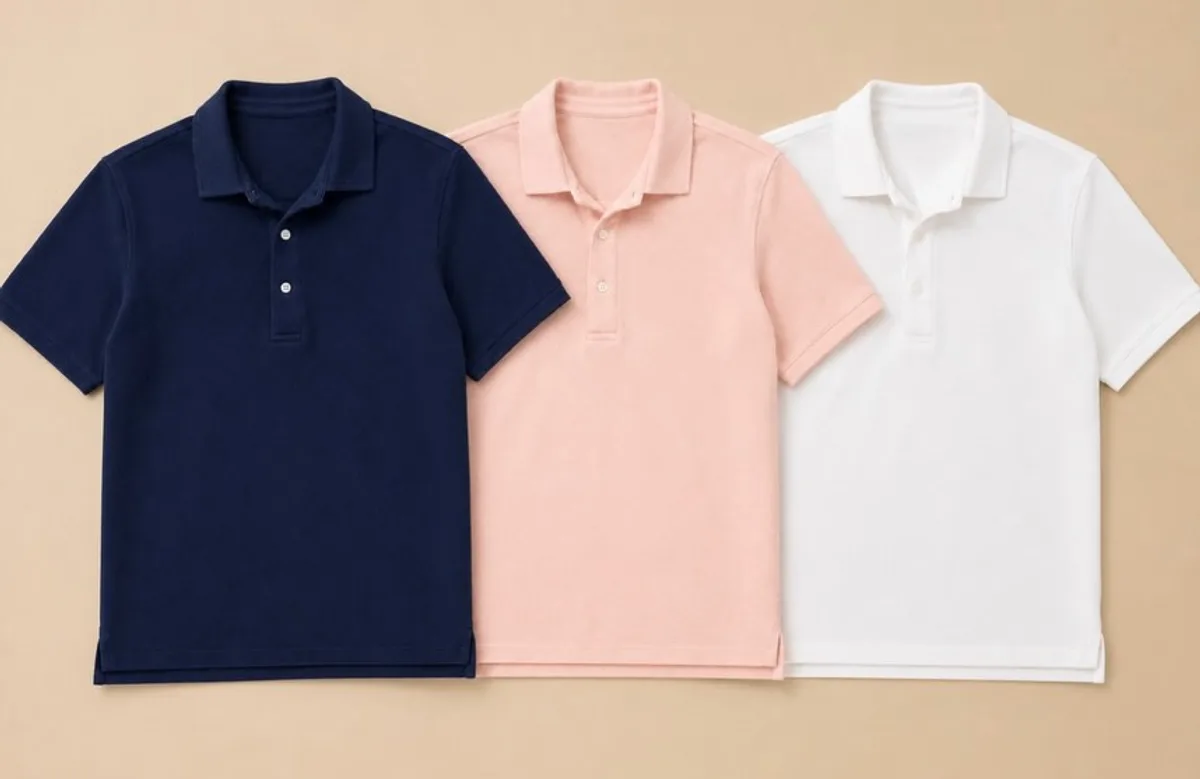
The detail that matters most in this drop is the Jack's 40s single yarn. Golf apparel almost never discloses yarn count. It discloses proprietary fabric names, four-way stretch percentages and UPF ratings, all of which are marketing language wrapped around a blend spec. Yarn count is a menswear convention, borrowed from oxford shirting and heritage tee brands, and putting it in the product copy tells you exactly which shelf B. Draddy thinks it belongs on. The Gibson's slightly cutaway collar is the same signal. That collar shape came out of dress shirting, not out of a wind tunnel, and it is the reason the shirt reads as a shirt rather than as athletic gear with buttons.
The strategic problem is the one every cotton-forward brand eventually hits. There is no moat in the fiber. Criquet did organic cotton pique first and loudest, Fairway and Greene has been in this lane for years, and Peter Millar can put a mercerized cotton program into a thousand green grass accounts by next spring if it decides the trend has legs. What B. Draddy actually owns is fit, collar geometry, colorway discipline and the repeat purchase that follows when a shirt survives thirty washes. That is a defensible position, but it is defended one customer at a time, not with a patent.
Does Discounting Help Premium Golf Polo Brands?
Which raises the question of the discount itself. B. Draddy sits at 62nd globally in our brand index and has moved zero percent month over month, and a sitewide 15 percent code is not the tool that changes that number. Holiday-weekend promotions are standard practice in apparel, but every code trains a segment of the customer base to wait for the next one, and a brand whose entire pitch is that the shirt is worth more than the polyester alternative is the brand with the most to lose from that habit. The Labor Day sale moves inventory into the shoulder season. It does not move positioning.
The more interesting move is seasonal. Cotton has an obvious summer story and a harder autumn one, and the long-sleeve Jack with shorts is B. Draddy arguing that cotton is a twelve-month program rather than a July indulgence. If that works, the brand stops being a warm-weather specialist and starts competing directly with the layering assortments that drive fall margin for Peter Millar and Holderness and Bourne. Watch the fall drop and watch whether the discount codes keep coming. One of those tells you where the brand is going. The other tells you whether it can afford to get there.