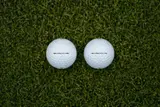
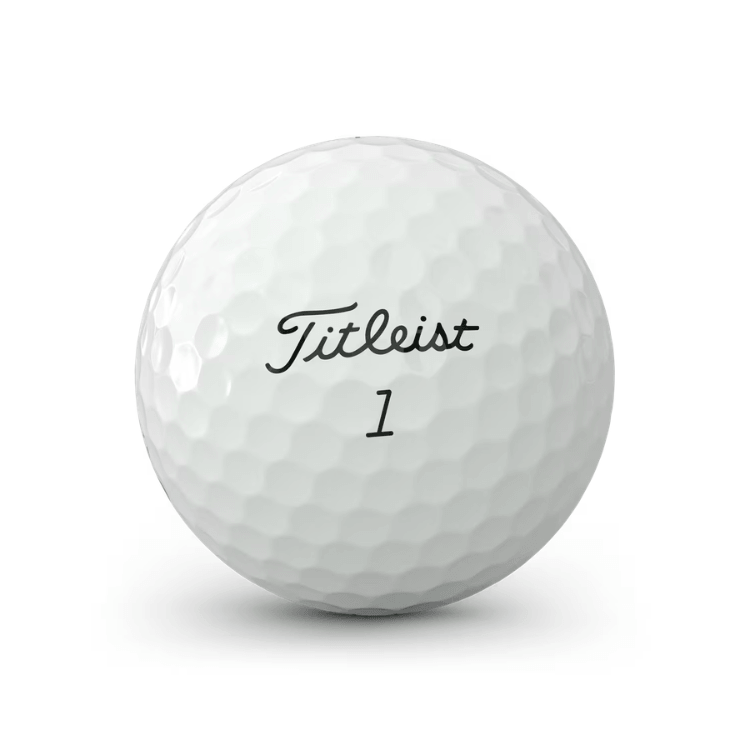
Ball Lab returned this week with a recalibrated scoring system that punishes defects harder and weights compression consistency above weight and diameter. The first ball tested under the new methodology was the Titleist Pro V1, which scored a 93.0 and earned a Quality Award. Zero bad balls across 36 units. Compression consistency in the top 10 of a 106-ball database. The ball that everyone else benchmarks against held up to the benchmark.
How Firm Is the 2025 Titleist Pro V1?
The data point worth sitting with is the compression number: 92.5. The Pro V1 has been creeping firmer for a few generations now, and this is the firmest reading the model has posted in recent memory. For context, the 2019 Pro V1 sat closer to the high 80s in third-party compression testing. Titleist hasn't publicly framed this as a design shift, but it is one. The Pro V1x exists for players who want firmer. When the standard Pro V1 climbs into 92-plus territory, the gap between the two models narrows, and the question of which Titleist a tour player should game gets more interesting.
The manufacturing story is the more impressive one. A 5.3-point compression delta across 36 balls is the kind of number that quietly explains why Titleist Ball Plant 3 in New Bedford remains the most-copied golf ball factory in the world. Compression symmetry averaged 1.0 points against a field average of 1.9, meaning the balls are not just consistent sleeve-to-sleeve but consistent within themselves. That second metric is the one that separates Titleist from the brands that have closed the gap on materials and aerodynamics but still can't match the consistency under the cover. Bridgestone, Srixon, and Callaway have all built credible premium balls. None of them are operating a manufacturing facility with this kind of process control at this scale.
Where Does the Titleist Pro V1 Rate Only Average?
Weight and diameter consistency both rated average, which is the only soft spot in the report and the reason the score didn't push higher. Worth noting: average in Ball Lab's database is not bad. The field includes balls from factories that produce wildly inconsistent product. Average against that field means the Pro V1 is doing what a $58 ball should do, just not doing it in a way that separates from competitors at those two specific measurements.
The broader context for this result is that Titleist sits at the top of nearly every brand intelligence measure in the category, and has for years. Holding the number-one position month after month is not a function of marketing spend. It's a function of the product holding up to scrutiny when the scrutiny gets more rigorous. Ball Lab's updated methodology was designed to be more punitive. The first ball through the new filter scored a 93. That is the story.
What Would a Firmer Pro V1 Mean for Titleist?
What to watch over the next 18 months is whether the firmer Pro V1 compression spec is a permanent direction or a one-generation outlier. If the 2027 model lands at 93 or higher, Titleist is effectively repositioning the standard Pro V1 as a firmer ball and creating room for something softer underneath it, possibly a refresh of the AVX or a new model entirely. The Pro V1 has been the most-played ball on the PGA Tour for two decades because it sits in a specific feel window. Pushing it firmer is a deliberate choice. Someone in Fairhaven has a reason. The next Ball Lab on the next generation will tell us whether it stuck.