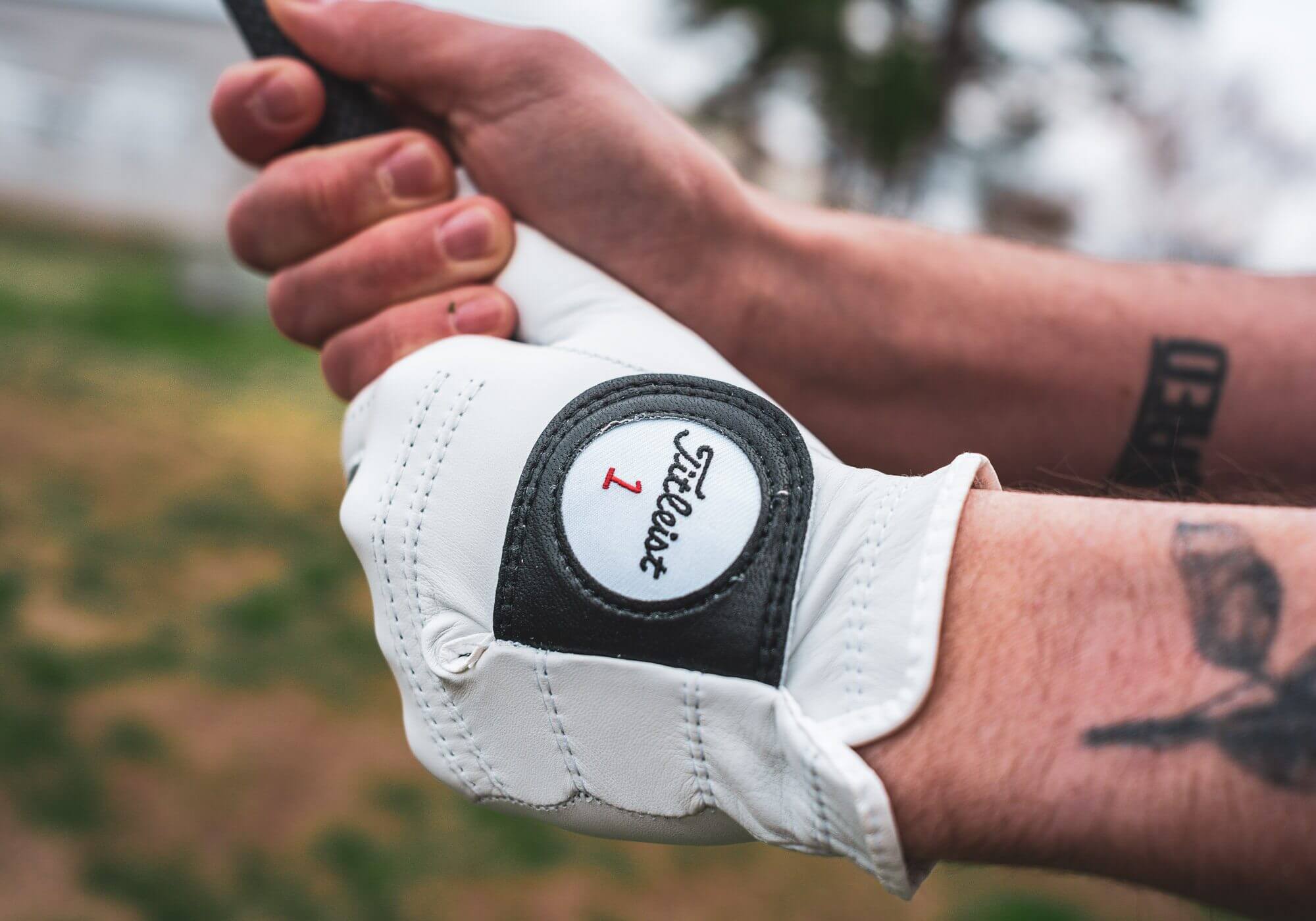
A brand that ranks second globally in club and ball mindshare just watched its best golf glove finish 29th in independent testing. That gap between TaylorMade's core equipment reputation and its accessories performance is not new, but the MyGolfSpy Most Wanted data makes it harder to ignore. The Tour Preferred glove scored 91.7 out of 100, a respectable number in isolation, but one that placed it firmly in the middle of a 50-plus glove field. Titleist, meanwhile, placed three models ahead of TaylorMade's best offering.
The glove category has never been TaylorMade's strength. The company built its identity on metalwoods, starting with the original Pittsburgh Persimmon in 1979 and accelerating through the Burner era and into the current Qi franchise. Accessories, gloves included, have historically operated as line extensions rather than development priorities. Titleist took the opposite approach. The Players glove line has been refined across multiple generations, with each iteration targeting the tour-level feel that Titleist's core customer expects. That sustained investment shows up in testing results.
What makes the 2026 data notable is the specificity of where TaylorMade's Tour Preferred fell short. The glove performed adequately across fit, grip, and feel, but testers consistently noted that competing models achieved thinner construction without sacrificing durability or feedback. The "ultra-thin" positioning that TaylorMade markets did not translate into a measurable advantage against Titleist's Players or even the mid-tier Perma-Soft. When a brand's flagship glove cannot beat a competitor's ventilation-focused option, the product development gap is real.
This is not a story about bad products. A 91.7 score represents a functional, well-made glove that most recreational golfers would never complain about. The issue is competitive positioning. TaylorMade's marketing engine operates at a scale that smaller accessories brands cannot match, but that marketing has not been matched by product differentiation in the glove category. The company has historically relied on bundling, retail placement, and brand loyalty to move gloves rather than on category-leading performance. Against Titleist's focused accessories strategy, that approach produces middle-of-pack results.
The broader question is whether TaylorMade views this as a problem worth solving. Gloves are a low-margin, high-frequency purchase category. The economics favor volume over innovation, and TaylorMade's retail footprint ensures that volume regardless of testing outcomes. A golfer buying a Qi10 driver is likely to grab a Tour Preferred glove from the same display case, and that purchase decision has little to do with independent testing data. The company's 22.4 percent month-over-month growth in the DORMIED Index reflects the strength of its club and ball business, not its accessories lineup.
Titleist's dominance in the glove space follows the same playbook the company runs in balls: incremental refinement, tour validation, and a premium positioning that justifies slight price increases. The Players glove at $28 is not dramatically more expensive than competitors, but it delivers measurably better performance across the categories that matter to serious golfers. That combination of price discipline and product execution is difficult to replicate without sustained R&D focus.
For TaylorMade, the path forward in accessories likely involves a choice. The company can continue treating gloves as a complementary revenue stream, accepting mid-pack performance in exchange for margin and volume. Or it can invest in the category with the same intensity it brings to metalwoods, accepting lower near-term returns for long-term competitive positioning. The current data suggests TaylorMade has chosen the first path. Whether that changes depends on how much the company cares about owning the full equipment relationship with its customers, not just the high-margin pieces.