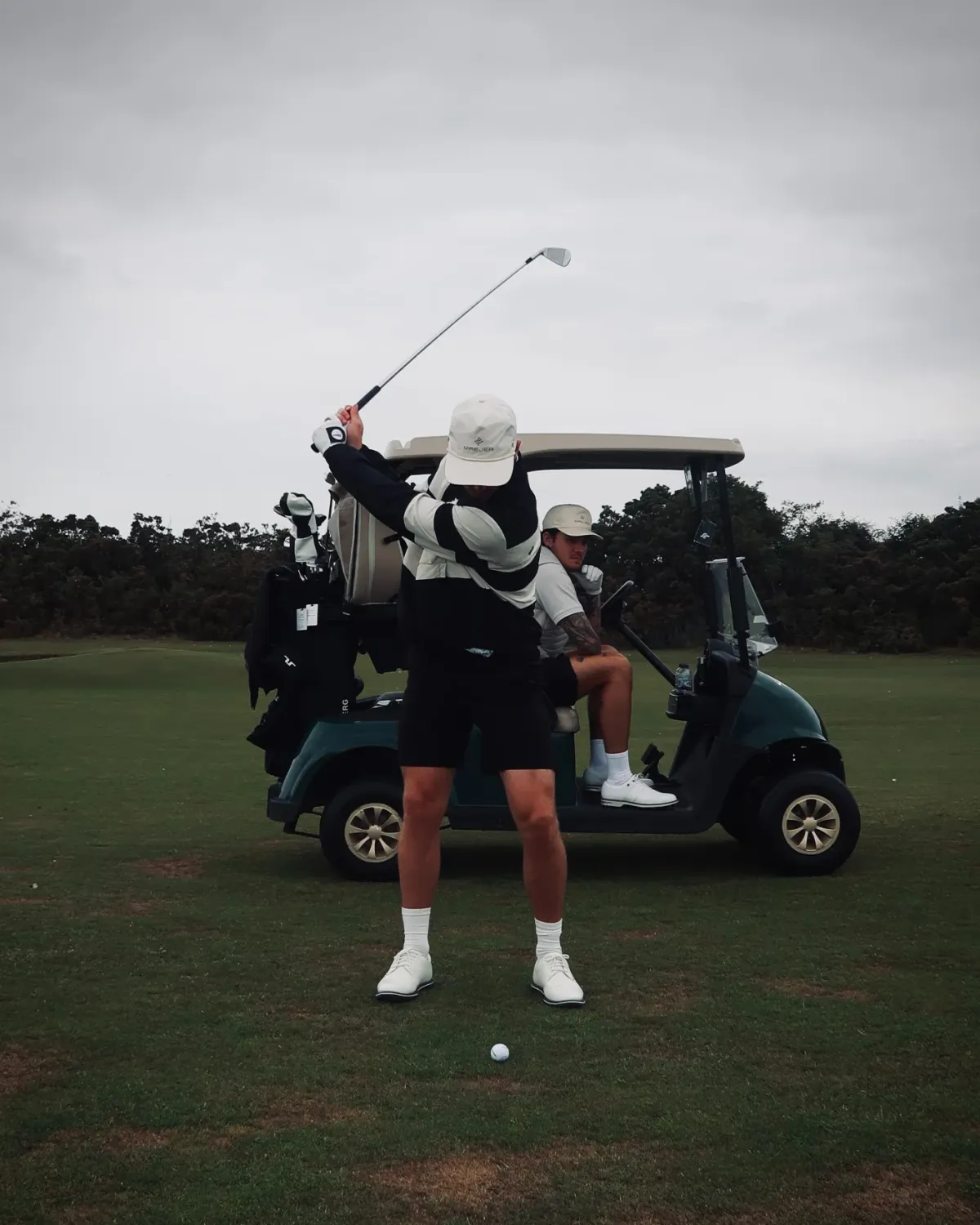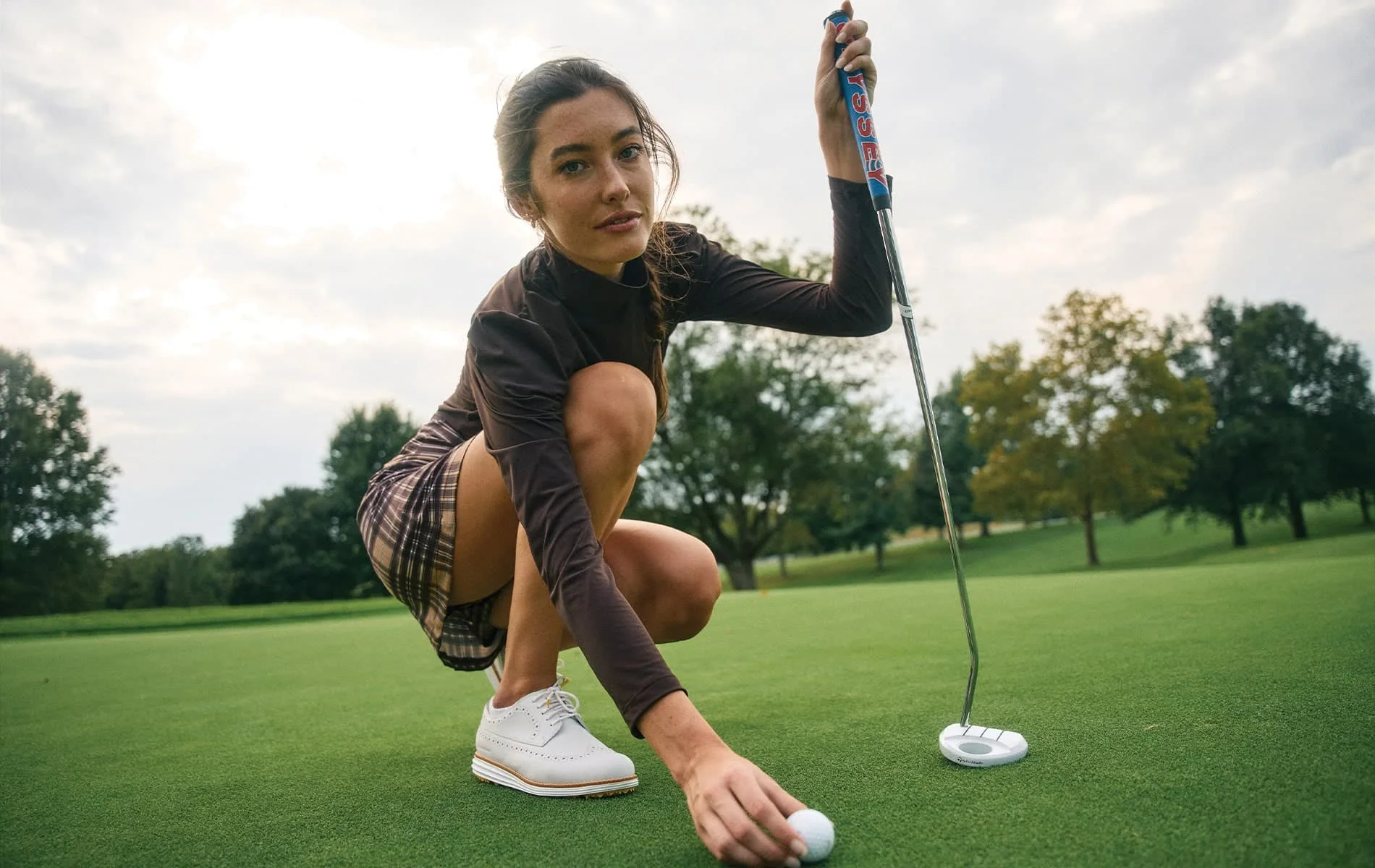
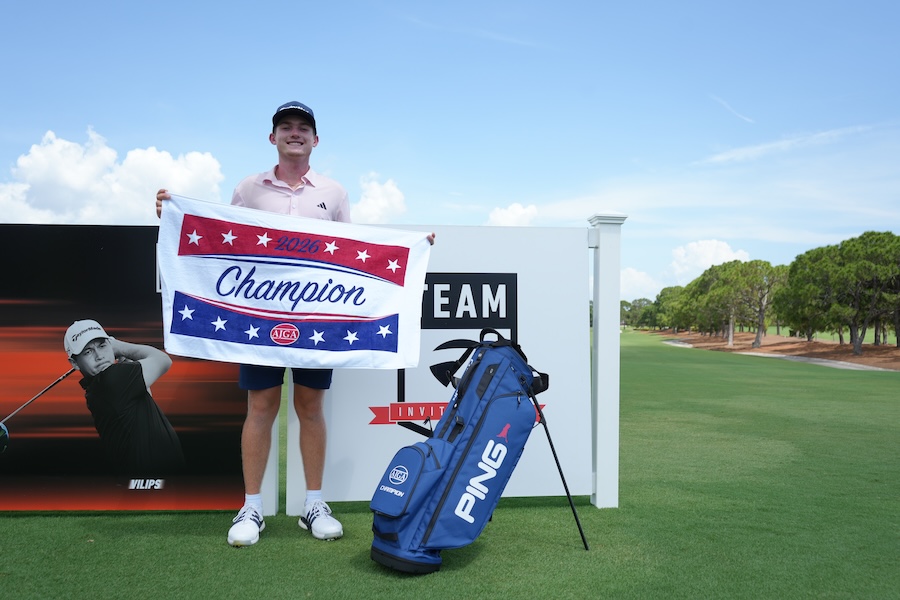
The last time a major OEM built a junior tournament series this ambitious, it was Nike Golf in 2012, and we know how that ended. TaylorMade's sixth annual Invitational at Pelican Golf Club produced a wire-to-wire drama, a course record, and a winner headed to Pepperdine, but the real story is the 78 kids who played branded equipment on national television while their college coaches watched.
Who Won TaylorMade's AJGA Invitational at Pelican Golf Club?
Luke Ringkamp closed with a 6-under 64 to win at 13-under, overcoming a five-shot final-round deficit with the kind of back-nine run that makes recruiting coordinators reach for their phones. The Palm Desert native birdied four of his final nine holes in 95-degree heat, holding off Bodie Brumlow, whose opening-round 61 set a new AJGA Invitational scoring record before a closing 72 let the tournament slip away. Giuseppe Puebla, ranked second in the Rolex AJGA Rankings, finished third.
TaylorMade's junior investment operates on a different timeline than its tour staff deals. Scottie Scheffler costs eight figures annually. Ringkamp costs a sleeve of balls and a fitting session. The calculus is obvious, but the execution is harder than it looks. Titleist has run the Titleist Junior Golf Tour since 1997 without producing a single player who became a brand cornerstone. Callaway's junior programming has been inconsistent at best. TaylorMade is betting that a premium event at a venue like Pelican, combined with AJGA's infrastructure, creates stickier brand loyalty than a logo on a bag the kid never chose.
Which Junior Golf Prospects Did TaylorMade Put in the Field?
The field at Pelican included four of the top ten players in the Rolex AJGA Rankings. Miles Russell, the Jacksonville Beach phenom who played the Korn Ferry Tour at 15, finished T4. Cameron Kuchar, son of Matt, tied for 11th. These are not anonymous participants. They are the players who will be signing equipment deals in three to five years, and TaylorMade is making sure its name is on every scorecard between now and then.
The timing aligns with TaylorMade's broader market position. The brand ranks second globally in DORMIED's index, up 22.4% month-over-month, driven largely by the Qi10 driver cycle and aggressive tour presence. But tour dominance is a short-term play. The players who win majors in 2035 are currently breaking course records at AJGA Invitationals, and TaylorMade is building relationships now that Titleist and Callaway will have to buy later. It is the same logic that drove Nike's junior investments a decade ago, except TaylorMade has no plans to exit the equipment business.
Why Does Pelican Golf Club Suit a Junior Invitational?
Pelican Golf Club, site of the LPGA's Pelican Women's Championship, provided a tour-caliber venue that junior events rarely see. The greens were firm, the temperatures brutal, and only 18 players broke par on Sunday. Brumlow's 61 in round one looked like the kind of performance that would hold up. It did not. Ringkamp's consistency across three rounds, never posting higher than 68, proved more durable than Brumlow's early fireworks. It is a lesson in tournament golf that these players will carry forward, whether they remember the brand on their hats or not.
The pipeline strategy only works if the players remember who invested early. TaylorMade is betting they will. Ringkamp already has one AJGA Invitational win at the Rolex Tournament of Champions. He is a Rolex Junior All-American headed to a program that has produced major champions. The equipment deal will come eventually. TaylorMade is making sure it arrives with a decade of receipts attached.
Whether this investment converts to market share in 2030 depends on variables TaylorMade cannot control. College programs have their own equipment deals. Tour contracts get renegotiated. Players switch brands for reasons that have nothing to do with junior golf. But TaylorMade is playing a game its competitors have largely abandoned, and the early returns suggest the bet is worth making.