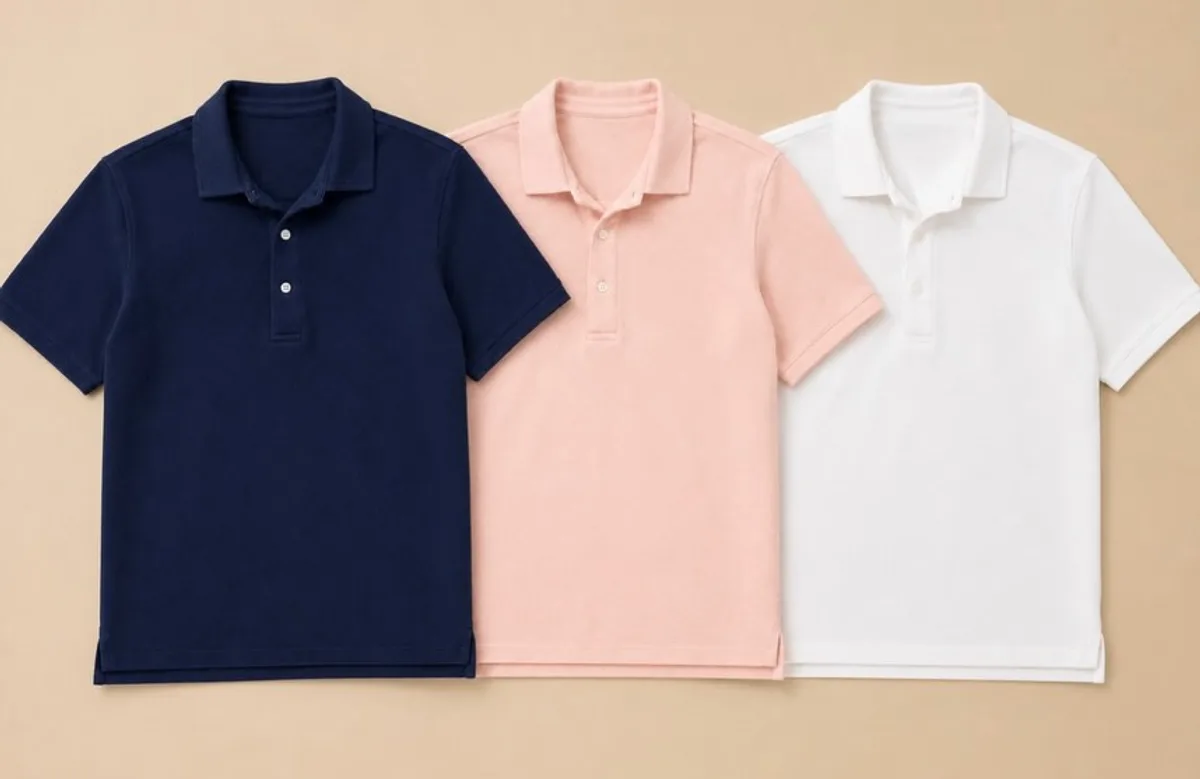

Sun Mountain has opened its fall outerwear push early, adding the Peak Jacket in a new Cypress colorway at $175, the Peak Vest at $155, and two women's pieces, the All Day Vest and the TQR Standard Crew. It is a small drop by announcement standards. It is also the part of Sun Mountain's business that makes the most sense and gets the least attention.
The obvious read is that a bag company is dabbling in apparel because apparel is where the margin is. The less obvious read, and the correct one, is that nobody buys a stand bag in October. Bag sales are front-loaded into spring, the replacement cycle runs five years or longer, and a green grass shop that sold through its bag inventory in May has a wall of nothing to do with in the fall. Outerwear fills that calendar. It turns over faster, it sells on weather rather than on intention, and it does not compete for the same shelf.
Why Does Sun Mountain Sell Outerwear Instead of More Bags?
Sun Mountain has been in Missoula, Montana since 1981, which is the least glamorous and most useful fact about the company. This is a business built by people who play golf in conditions that would send most of the industry's product managers indoors. The stand bag leg mechanism came out of that shop. So did the rainwear line, which predates most of the current premium outerwear market and has quietly been good for a long time.
That matters because credibility in cold-weather golf apparel is not something you can buy with a lookbook. Galvin Green has it because of Sweden. FootJoy has it because of volume and because the DryJoys name carries. Sun Mountain has it because of geography and because the product has historically worked. A $175 jacket and a $155 vest slot neatly underneath Galvin Green, where a comparable shell runs several hundred dollars more, and sit right alongside FootJoy's mid-tier thermal pieces. That is a deliberate price band. It is the band a head pro can stock four of in each size without a conversation with ownership.
How Does the Peak Jacket Fit Sun Mountain's Retail Position?
This is where the distribution advantage shows up. Vessel, Jones and Stitch are winning the aesthetic argument in bags right now, and Sun Mountain is not going to out-design them. What Sun Mountain has instead is a relationship with essentially every pro shop in North America, built on stand bags, cart bags, ClubGliders and push carts. The rep is already walking through the door. Adding four apparel SKUs to that conversation costs almost nothing in acquisition terms, and it turns a once-a-spring vendor into a twice-a-year vendor.
A DTC bag brand cannot replicate that. It can sell a beautiful bag to an enthusiast on Instagram, but it cannot get a vest onto a rack in Ohio in September without building a wholesale operation from scratch. Sun Mountain built that operation forty years ago and is now amortizing it across a second category.
What Does the Fall Drop Signal About Sun Mountain's Direction?
None of this registers as brand heat. Sun Mountain sits 60th of 215 in the DORMIED Index with a flat month, which is roughly what happens when a company makes excellent products and almost no noise about them. Competence and cultural relevance are different currencies, and Sun Mountain has only ever collected one of them.
The interesting question is whether Peak eventually gets treated as its own line rather than a footnote on the bag page. Apparel is the one category where Sun Mountain's actual identity, function-first gear built by people in a cold place, translates without any explanation. If the company ever decides to market that as hard as it engineers it, the ranking moves. Watch the spring line for whether they bother.