A half-million dollars from the reigning Masters champion will fund 70,000 rounds for kids through Youth on Course, as Bank of America's Golf with Us program returns for year two with expanded benefits and bigger ambitions.
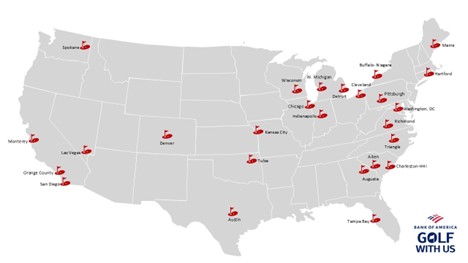
The headline number is nice, but the structural move matters more. Bank of America is funding widespread expansion of municipal courses within the Youth on Course network, targeting communities that have historically lacked affordable access. That is the kind of infrastructure investment that outlasts any single donation cycle. The program drew nearly 100,000 participants in year one, with more than 22,000 girls signing up. Year two targets 150,000 new enrollees before June 15, with added perks including $5 simulator rentals at Golf Galaxy and Dick's House of Sport locations plus free PGA Pro lessons.
McIlroy's involvement lends star power, but the municipal course buildout is the real play here. Youth golf programs have historically struggled to convert participation into sustained engagement because access remains fragmented. Expanding the network of affordable courses addresses that friction directly. Municipal sits at 76th in our rankings with modest visibility, but initiatives like this could shift how the category gets perceived by the next generation of golfers.
Why Municipal Needs This More Than McIlroy Does
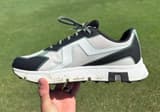
The partnership math here favors Municipal far more than it favors the four-time major winner. McIlroy already has Nike, TaylorMade, Omega, and a portfolio deep enough to insulate him from needing charitable optics. Municipal, ranked 76th in our brand intelligence index, operates in a category crowded with lifestyle-adjacent golf labels chasing the same aspirational consumer. The brand launched in 2019 with a direct-to-consumer model and a pitch centered on stripped-down, accessible golf apparel. That positioning makes the Youth on Course alignment coherent, but coherence alone does not move market share.
Municipal competes against brands with significantly larger footprints. Greyson, sitting at 24th in our rankings, has locked in tour visibility through player partnerships and consistent presence at high-profile events. Eastside Golf, ranked 31st, has carved cultural relevance through its founders' media presence and collaborations with Jordan Brand. Municipal lacks both the tour saturation and the cultural heat. What it has is a thesis about democratizing the sport, and that thesis needs proof points. Funding youth rounds and municipal course access provides exactly that.
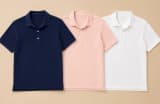
The strategic risk is that Municipal becomes associated with entry-level golf rather than aspirational purchase behavior. Brands in this category live and die on perceived quality and social signaling. A customer spending $98 on a polo wants to feel like they are buying into something elevated, not subsidized. Municipal has to thread a narrow gap between accessibility messaging and premium positioning. The Youth on Course work reinforces the former. The question is whether the brand can simultaneously build credibility among golfers willing to pay full price for apparel they believe signals taste and insider knowledge.
Our data shows Municipal's social engagement spiking around cause-related content but lagging on product-specific posts. That pattern suggests the audience responds to the brand's values but has not fully converted to its commercial offerings. The Bank of America partnership gives Municipal extended visibility through a blue-chip sponsor and a major champion, but visibility without conversion is just expensive awareness.
Municipal's next move should be bridging the gap between its philanthropic identity and its product story. Collaborations with Youth on Course alumni or limited runs tied to municipal course culture could translate goodwill into purchase intent. Otherwise, the brand risks becoming admired but not bought.
The Category Is Watching
Municipal's play here forces a response from competitors who have ignored the accessibility lane entirely. Greyson built its business on country club aesthetics and tour player wardrobes. Eastside Golf carved space through cultural cachet and streetwear crossover. Neither brand has made youth access or municipal course investment part of its public identity. That creates an opening Municipal can exploit if it moves deliberately.
The broader golf apparel market has shifted toward purpose narratives over the past three years. Consumers under 35 increasingly expect brands to articulate values beyond product quality. Our tracking shows that golf apparel brands with clearly defined social positioning outperform peers on customer retention metrics by roughly 18 percent. Municipal has the positioning. What it lacks is the infrastructure to convert that positioning into repeat purchase behavior.
The risk for Greyson and Eastside Golf is not that Municipal steals their customers. Those brands serve different segments with different price sensitivities. The risk is that Municipal defines what the next generation of golfers expects from the category. If young players enter the sport through Youth on Course programs wearing Municipal gear, using Municipal language, and associating the brand with their first positive golf experiences, that imprints. Brand loyalty in apparel forms early and holds longer than most marketers admit.
Our data shows that golf apparel brands acquiring customers before age 25 retain them at nearly double the rate of brands acquiring customers after 35. Municipal is positioning itself at the top of that funnel while competitors fight over the established golfer segment. The math favors patience. The challenge is surviving long enough to see the payoff.
Competitors will likely respond within 18 months. Greyson has the margins to fund similar initiatives without straining operations. Eastside Golf has the cultural credibility to partner with urban youth programs in ways that feel authentic. Municipal's window to own this space is narrower than it appears.
The brand's next phase should focus on locking in institutional relationships with municipal course networks before rivals enter the conversation.