Premium golf apparel ending up at off-price retail used to be a quiet failure. Now it looks like a channel strategy.
Which Peter Millar Items Are on TJ Maxx's Website?
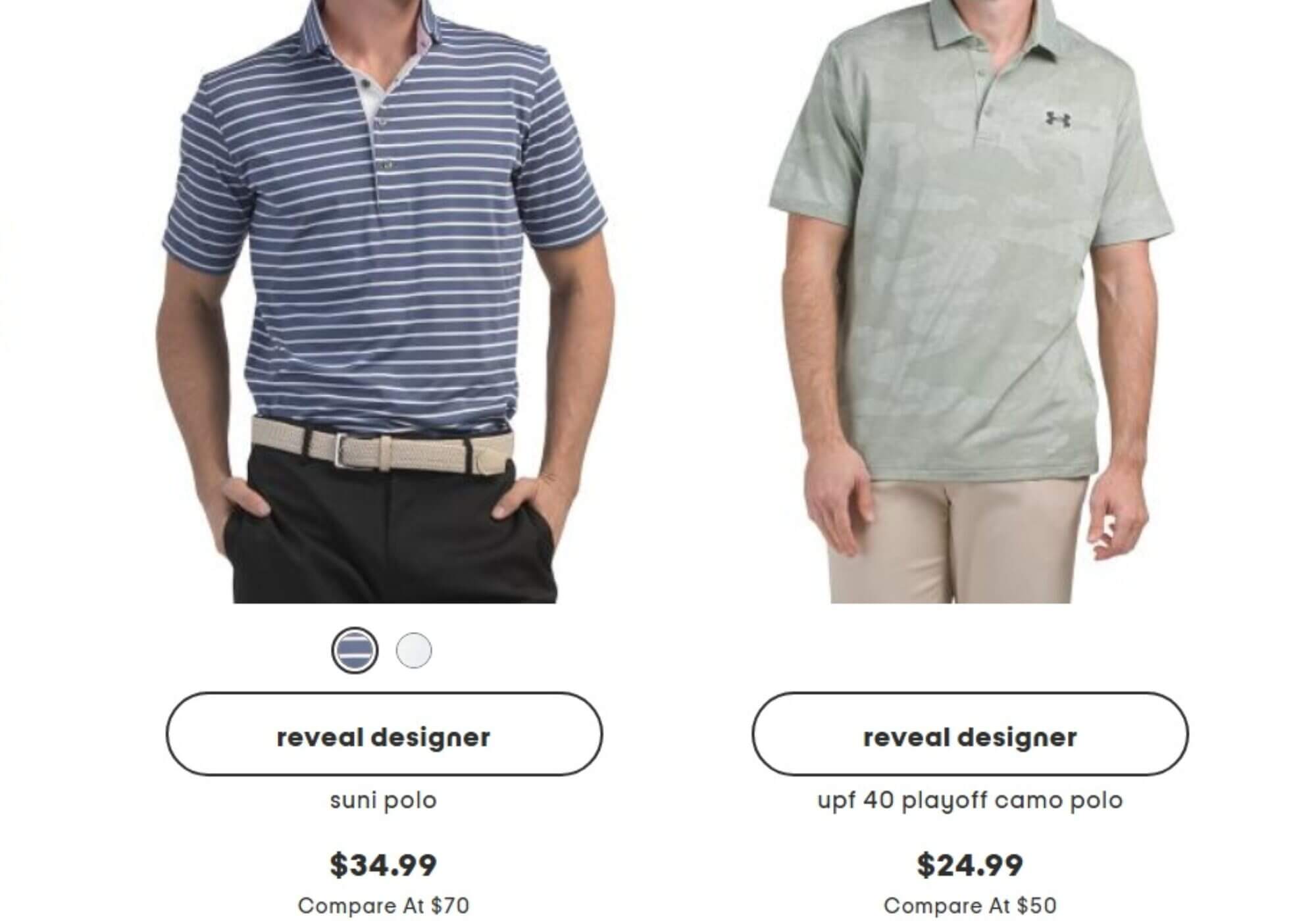
MyGolfSpy ran a piece this week about TJ Maxx's online golf section, which currently carries 139 men's items (none over $39) and more than 500 women's pieces. The brand list reads like a Sunday tee sheet at a top-100 club: Peter Millar, G/FORE, Greyson, TravisMathew, Tommy Bahama, PUMA. The catch is that TJ Maxx hides some of these labels behind a "Reveal Designer" button, a polite fiction that lets premium brands liquidate without showing up in a Google search for their own name.
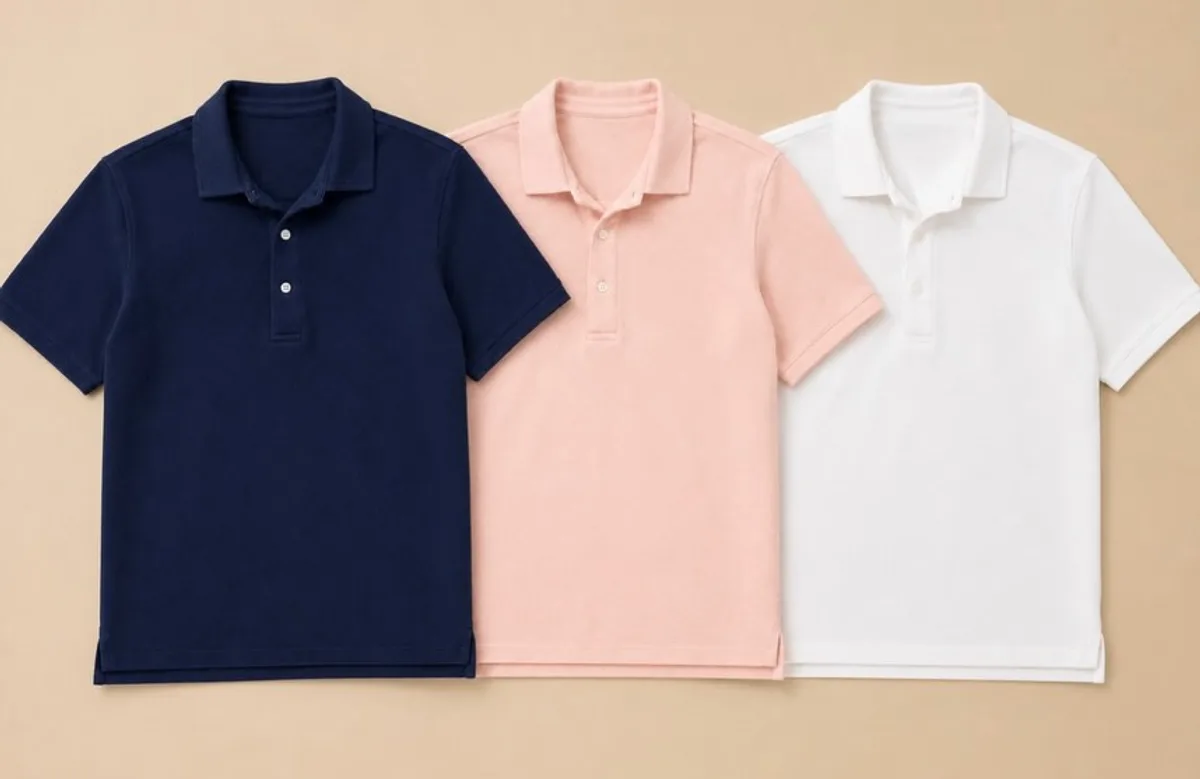
Peter Millar is the interesting one on that list. The brand has spent two decades building itself into the de facto uniform of the American private club, with the pricing structure to match. A Crown Crafted polo retails for $115. A summer cashmere quarter-zip clears $300. The whole business model depends on the perception that you cannot get this stuff at a discount, which is why finding it at TJ Maxx, even with the brand name hidden, is the kind of thing that should make a brand manager flinch.
Why Does Premium Golf Clothing Go Off-Price?
Except it probably doesn't anymore. The off-price channel has quietly become a release valve for the entire premium apparel category. Theory does it. Vince does it. Faherty does it. The math works because the alternative, sitting on excess inventory or running deep markdowns on your own DTC site, is worse for brand equity than letting TJ Maxx move it under a curtain. The "Reveal Designer" mechanic exists precisely so the brand and the retailer can both pretend this isn't happening. Peter Millar's full-price customer at Sea Island never sees it. The deal-hunter on the TJ Maxx app does. Everyone gets what they want.
What's worth flagging is the volume. Five hundred women's pieces from premium labels is not a one-off liquidation. That's a standing relationship, and it tells you something about where the inventory cycles in golf apparel are right now. Brands over-ordered for a 2024 and 2025 that did not match 2021 demand. The pandemic-era growth curve flattened, golf participation stabilized rather than compounding, and the warehouses filled up. Off-price is absorbing the difference. Peter Millar's 124% jump in DORMIED visibility this month is partly tied to women's product expansion, and a chunk of that expansion is now visible at TJ Maxx prices, which complicates the story the brand wants to tell about its premium positioning.
How Does the TJ Maxx Discount Affect Pro Shops?
The more interesting question is what this does to the pro shop. Head pros have spent years justifying $115 polos to members who could feel the fabric and accept the math. When that same polo, in last season's colorway, shows up online for $34.99 under a reveal button, the justification gets harder. Green grass accounts have always tolerated a small leakage to outlet malls and Sierra Trading Post. Online off-price is a different scale of problem because the friction is gone. You don't drive to it. It comes to your phone.
Peter Millar isn't going to publicly acknowledge any of this, and they don't have to. The brand is still the category leader in country club apparel and will be for the foreseeable future. But the trajectory worth watching is whether the off-price relationship stays a back-door release valve or becomes a structural part of the business. If it's the latter, the brand has more in common with J.Crew circa 2018 than it does with the Loro Piana comparison its marketing keeps reaching for.