A second collection is the only product review that matters in collaboration retail. Gap and Malbon shipped their first one in 2025. The second one landed today, which means the first one moved units, and that is a more useful piece of information than anything in the lookbook.
What Is in the Gap x Malbon Second Collection?
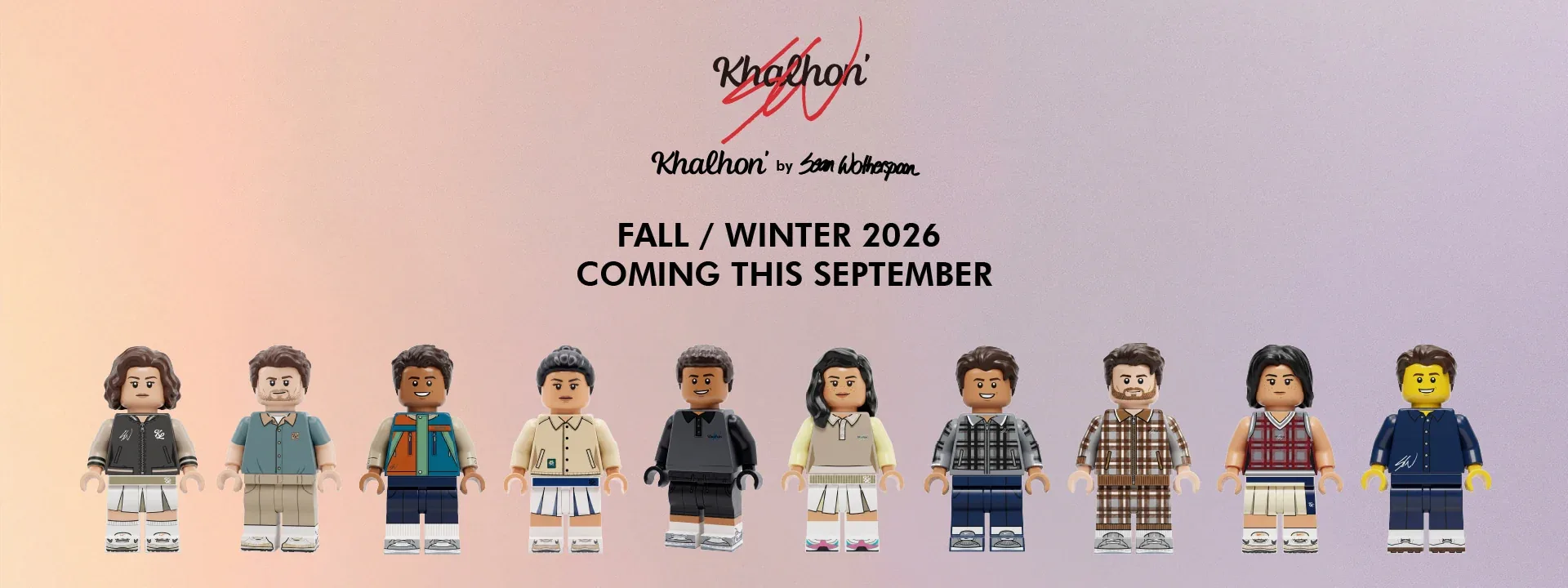
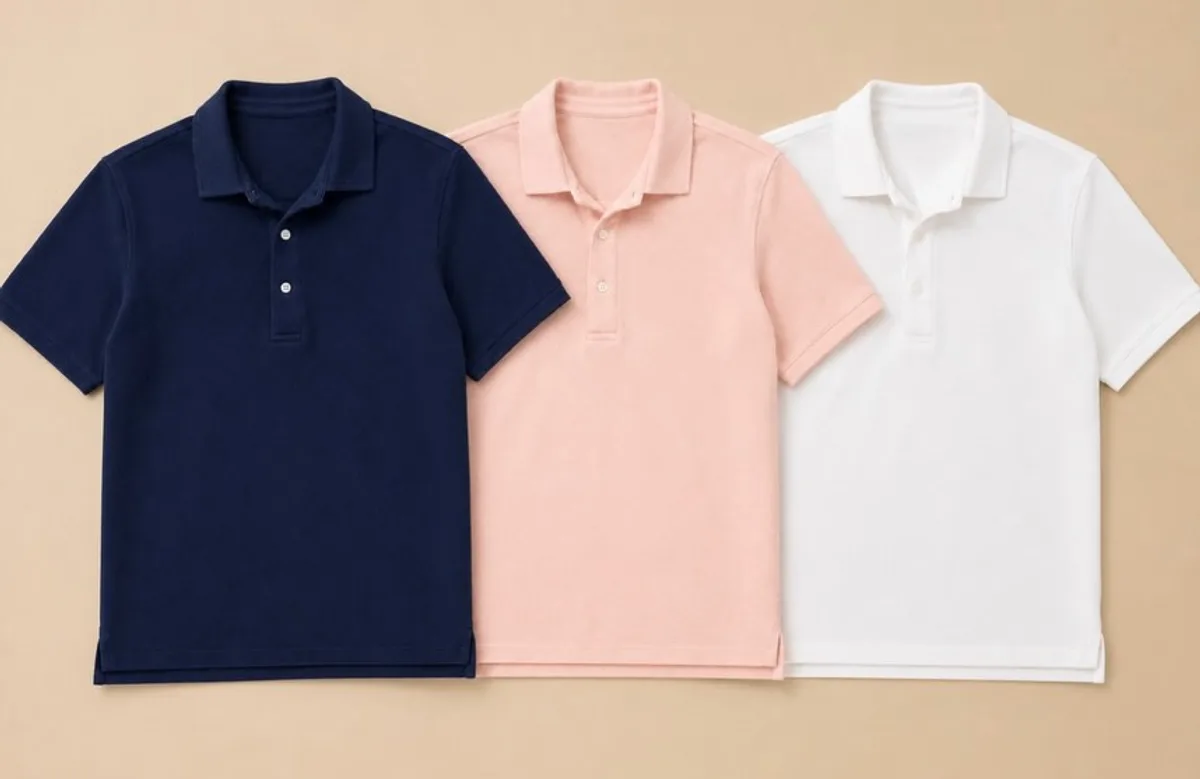
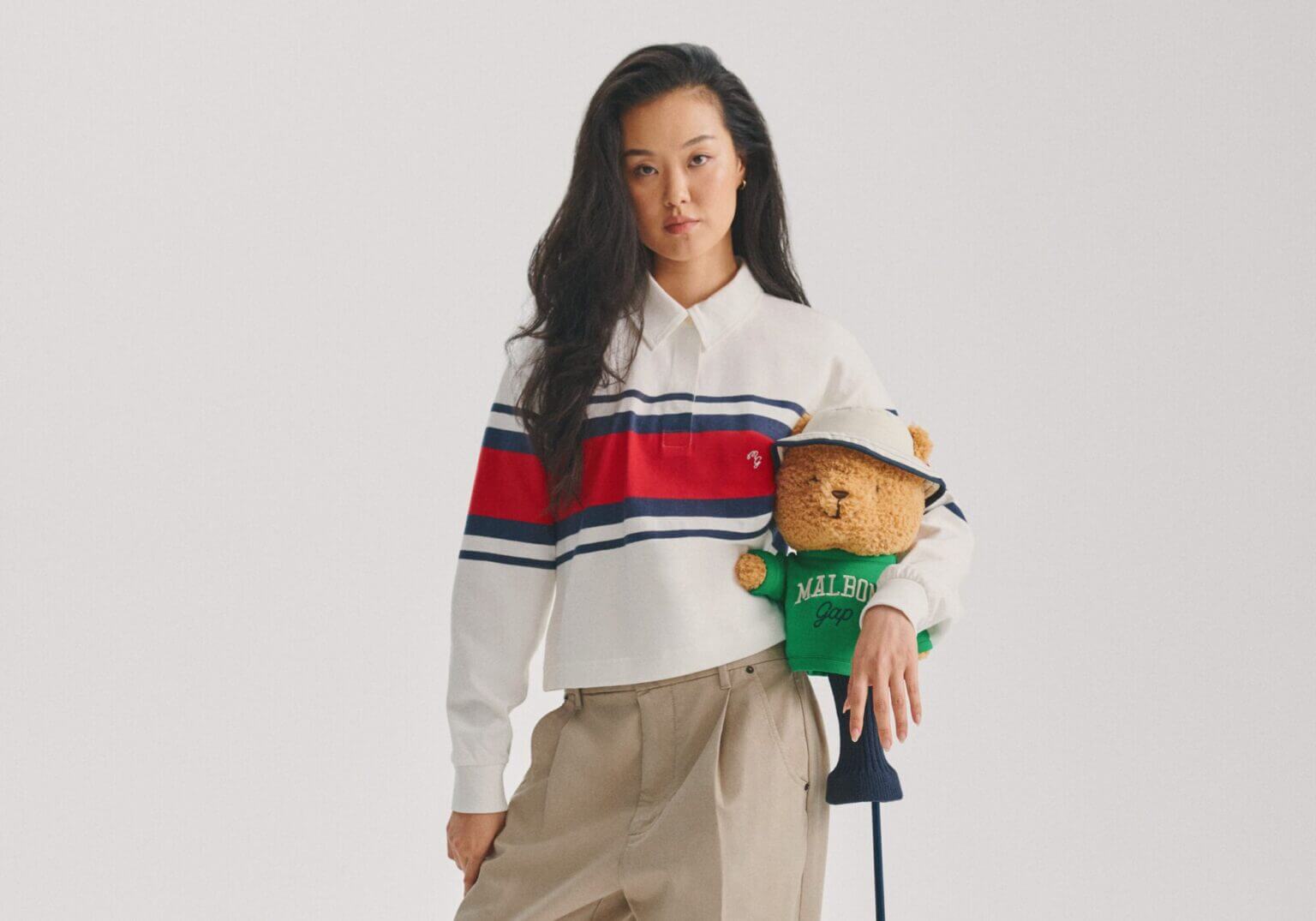
The drop is 35 pieces across men's and women's, plus a short run of limited-edition golf accessories. Rugby polos, pleated skirts, prep knits, relaxed outerwear. The stated hook this time is the overlap between golf, tennis and general sportswear, and the women's offering is noticeably deeper than round one, which Malbon frames as a deliberate push past golf into the broader sport-and-fashion middle. It is available now.
What Gap gets is the easier half to explain. The company has spent the last two years rebuilding relevance through partnership rather than in-house design risk, and golf is the most obvious cultural adjacency left in American sportswear that Gap does not already own. Building a credible golf line from scratch means merchandising decisions about apparel weight, four-way stretch and whether a collar sits right at address, and it means convincing golfers you understand them. Renting that credibility for a season is cheaper, faster, and reversible if it does not work. It worked, so here is season two.
Why Did Malbon Golf Apparel Go Mall-Scale?
Malbon's side is the more interesting business decision. The brand has built its equity on collaborating upward: footwear partners, limited runs, a scarcity model where the thing sells out and the resale market does the marketing. Gap is the opposite motion. This is collaborating outward, into mall-scale distribution at mall-scale pricing, which gives Malbon a price ladder it cannot build on its own site without cannibalizing its core product. A shopper who will not spend Malbon money on a Malbon polo will spend Gap money on a Gap x Malbon polo, and the brand gets the impression either way. That is the trade every premium apparel label eventually has to price out, and most of them get it wrong by discounting themselves instead of finding a partner to do the volume for them.
The tennis mention is not filler. Golf apparel brands hit a ceiling as golf apparel brands, because the addressable market is people who play golf, and the aesthetic Malbon actually sells, prep, court, club, is not golf-specific at all. Adding racquet product widens the total market without changing a single design instinct. It also puts Malbon in the same conversation as the tennis-adjacent labels that have been eating the premium sportswear category for five years. The bigger women's assortment is the same logic applied to the fastest-growing segment in golf participation, and a segment where most golf-native brands are still shipping a shrunken version of the men's line.
Does Mall Retail Threaten Malbon's Scarcity Model?
The risk is straightforward. Scarcity built this brand, and mall retail is the natural enemy of scarcity. A collaboration that lands twice becomes a fixture, and a fixture is not a drop. Malbon currently sits third of 215 brands in DORMIED's global ranking with a 22.7 percent month-over-month move in July, so the near-term signal is that broad exposure is working rather than diluting. The question is what the same numbers look like after a third and fourth collection, when the co-branded polo is a permanent fixture on a folded table in a mall in Ohio.
Watch for whether Malbon takes the tennis idea in-house. If the racquet pieces perform inside a Gap collection, the logical next step is a Malbon-owned court line at Malbon pricing, and at that point the Gap partnership stops being a distribution play and starts being product research with a retail partner paying for it. That would be the smartest thing anyone in golf apparel has done with a collaboration in years.