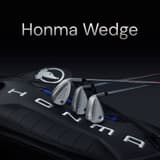
Three forged-look wedges for $170 should not exist in 2026. MacGregor is selling them anyway, and the price tag does more damage to the premium wedge category than any MyGolfSpy testing report could.
The math is the part worth sitting with. A single Vokey SM10 runs $189. A Mizuno T24 lists at $180. A ZipCore from Cleveland, often the value pick in the category, is $169.99 for one wedge. MacGregor is asking $56.67 per club for a three-piece gap, sand, and lob setup. The obvious response is that you get what you pay for, and in performance terms that's broadly true. CNC milled grooves, heat-treated 8620 carbon steel, and tour-validated grinds are not what shows up at this price. But the gap between what MacGregor is delivering and what a weekend 14-handicap actually needs from a wedge is narrower than the wedge industry would like the consumer to believe.
MacGregor's positioning here is the interesting part. This is the brand that put a driver in Jack Nicklaus's bag for the better part of two decades and effectively invented the modern persimmon. The IP is enormous. The current operation is a licensing shell that mostly shows up at Dick's and on Amazon. The DORMIED Index has MacGregor at #85 globally with a 22 percent month-over-month rise, which is less about brand revival and more about the value-tier search traffic that follows any aggressively priced set drop in spring. The brand is not coming back. It is functioning as a price anchor at the bottom of the category, and that role has commercial value to whoever holds the trademark.
The broader signal matters more than the product. Wilson tried a similar move with the Staff Model wedges at $129 each in 2021 and could not sustain shelf presence against Vokey. Sub 70 has built a direct-to-consumer wedge business around the same logic MacGregor is leaning on here, and Sub 70's wedges have shown up in enough independent fitter conversations to suggest the category's bottom is more contested than Titleist's market share implies. Maltby has done this for twenty years. Hogan tried it twice. The price floor in wedges keeps getting tested, and it keeps holding because the tour validation engine still drives the premium tier. What changes is how many golfers in the middle of the handicap range opt out of that engine entirely.
That is the read on MacGregor's $170 set. It is not competing with Vokey. It is competing with the part of the golfer's brain that asks whether the $189 wedge is actually $130 better than the $57 wedge sitting next to it on the rack. For a meaningful slice of the market, the answer is no, and the wedge category has not had to reckon with that question seriously since the original Cleveland CG10 made forged-feel-at-cast-price a real conversation in 2006.
MacGregor will not be the brand that breaks the premium wedge tier. The licensing model does not support that kind of category disruption, and the product itself is not engineered to convert the buyer who already owns a fitted set. What MacGregor is doing is keeping the price ceiling visible. As long as a recognizable name sits at $57 per wedge, the $189 wedge has to keep justifying itself. The next test is whether any tier-two brand, the Sub 70s and Maltbys of the category, uses that visibility to push harder into the middle. That is where the actual disruption lives. MacGregor is just the brand cheap enough to remind everyone the math exists.