Every apparel brand shoots its fall campaign somewhere scenic. Almost none of them turn the location into a retail account.
What Is the Sunriver Resort Golf Package With Bad Birdie?
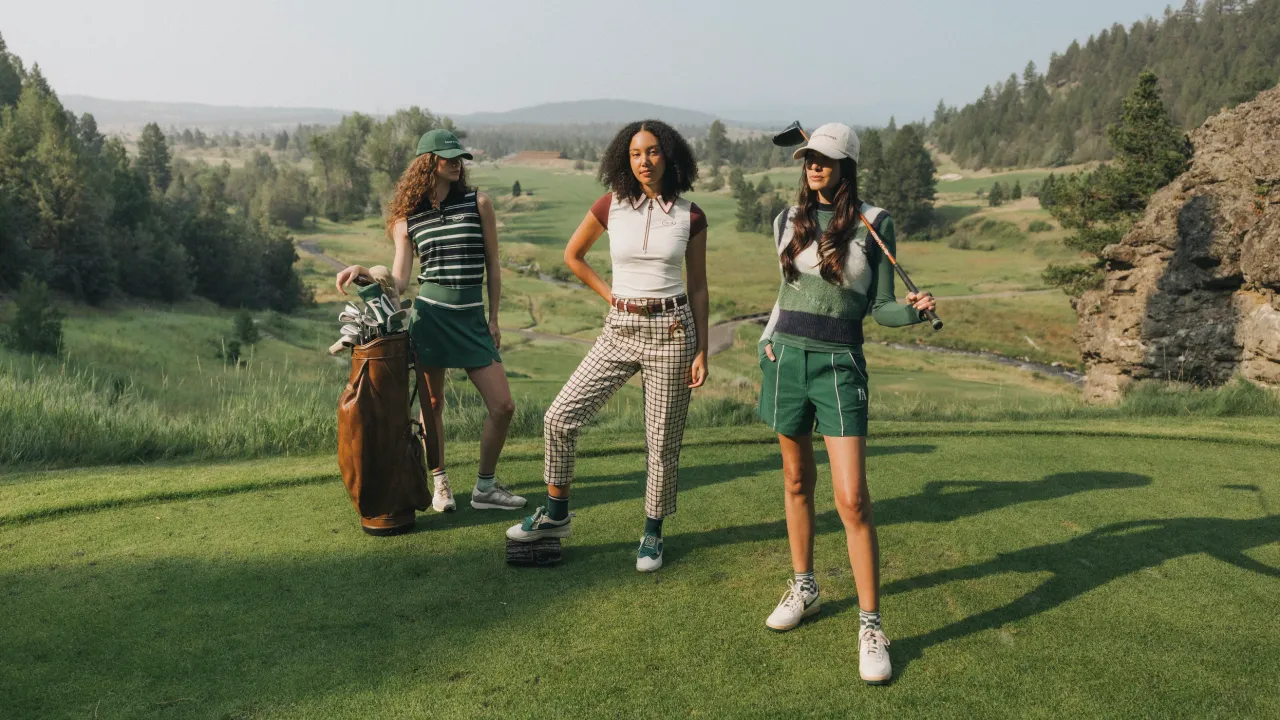
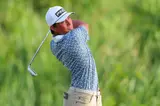
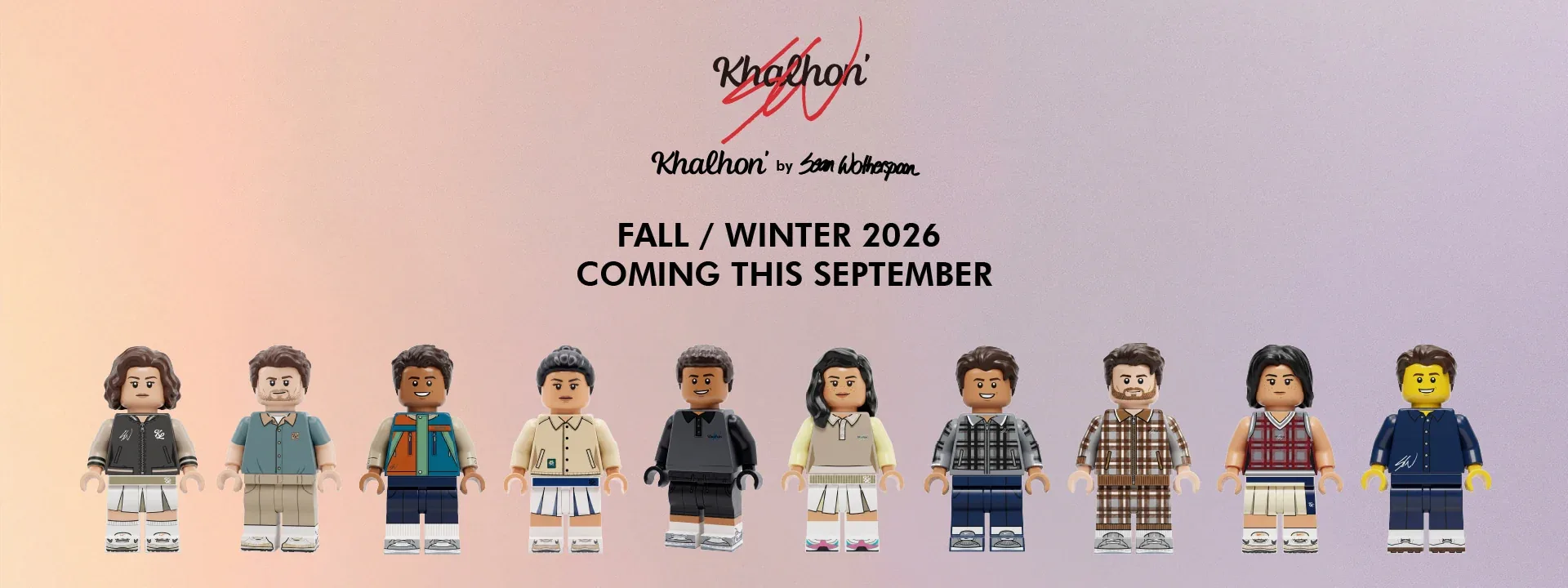
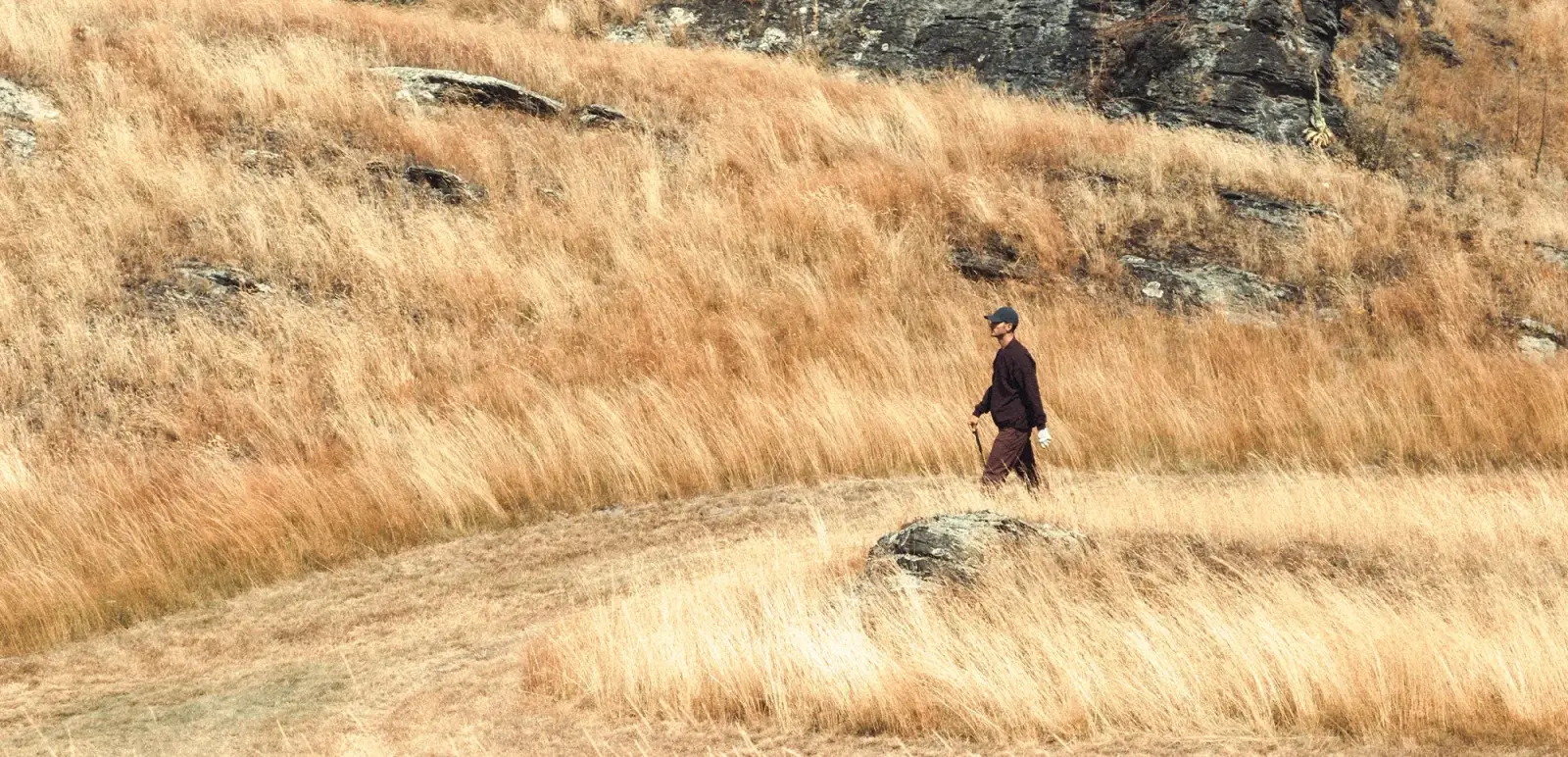
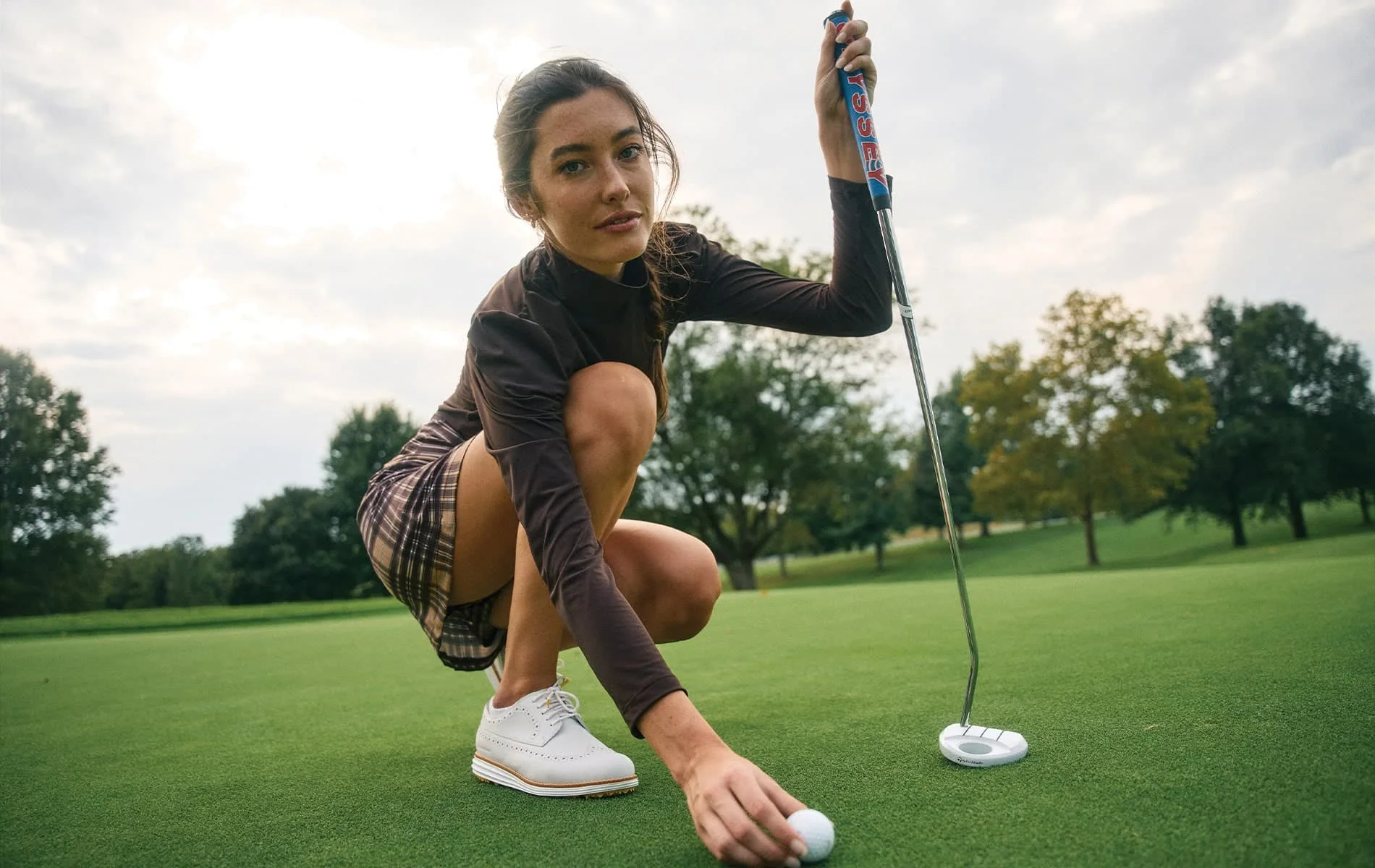
Bad Birdie shot its Fall 2026 collection at Sunriver Resort in Central Oregon, and rather than pack up the lights and go home, the brand left inventory behind. Select pieces from the collection are now on display and for sale in the Meadows pro shop. Alongside that, the resort has launched the Bad Birdie Golf Package: 15 percent off best available rates on a two-night stay for two, a $300 nightly resort credit good toward golf and toward the apparel itself, and a Bad Birdie headcover and towel for the first 50 guests. Bookable through September 30, travel through November 1. There is also an Instagram giveaway, entries closing September 4, offering one winner the same two-night stay and $300 credit.
The headcovers are the giveaway. The nightly credit is the actual mechanism. A resort guest with $300 a night to burn on property is going to spend part of it in the pro shop, and the pro shop has been stocked with the exact collection they just saw on the resort's own marketing channels. Sunriver is effectively subsidizing trial for a brand whose product it now carries, and Bad Birdie got a campaign location, a wholesale door and a co-funded customer acquisition channel out of one production budget. Most brands spend that money on a location fee and a Hypebeast-adjacent lookbook that converts nothing.
Why Is Bad Birdie Chasing Green-Grass Golf Apparel Distribution?
That matters more for this brand than most. Bad Birdie built itself on direct-to-consumer volume and loud prints, then took a minority investment from Dick's Sporting Goods in 2021, which solved big-box shelf space and did nothing for the green-grass channel. Resort pro shops are the awkward middle: too fragmented to build a national account team around, too valuable to ignore, because a golfer on a trip buys apparel at a rate that golfer at home never does. Doing it one resort at a time, with the resort paying for the campaign imagery, is a cheaper way in than hiring reps. A flat month at 18th globally in apparel and footwear is not what this move is for. Channel-building does not show up in a thirty-day window.
The product itself is the more interesting tell. The Fall 2026 line introduces a new Waffle franchise, which is Bad Birdie naming a fabric rather than a print. Waffle knit is the mid-weight texture that Vuori, Faherty and roughly every lifestyle label of the last five years has used to bridge the gap between a tee and a real layer, and it works because the honeycomb structure traps air without adding a technical face fabric. For a brand whose entire identity has been pattern, building a repeatable franchise around a knit structure is a maturation signal. Prints have a ceiling. Customers age out of cactus flora and topographic golf maps, both of which appear in this collection, and they do not age out of a good waffle quarter-zip.
What Does Sunriver Resort Get From Bad Birdie?
Sunriver gets the better end of the awareness trade, at least short term. Sixty-three holes, Crosswater in Golf Digest's America's 100 Greatest, and the 2027 and 2028 U.S. Adaptive Open coming to Meadows with accessibility work already underway. A resort with a USGA championship on the calendar wants to look like a place a 34-year-old will book, not a place his father books. Bad Birdie is the cheapest available shortcut to that impression.
The thing to watch is whether this becomes a template or stays a one-off. If Bad Birdie runs the same play at three or four more destination resorts next spring, shooting seasonal campaigns on property and converting each into a stocked pro shop with a co-funded package, it will have built a green-grass distribution network without ever calling it one. If Sunriver is just a nice location with a promo attached, it was a well-executed photo shoot and nothing more. The difference shows up in the fall 2027 booking calendar, not in the giveaway entries.