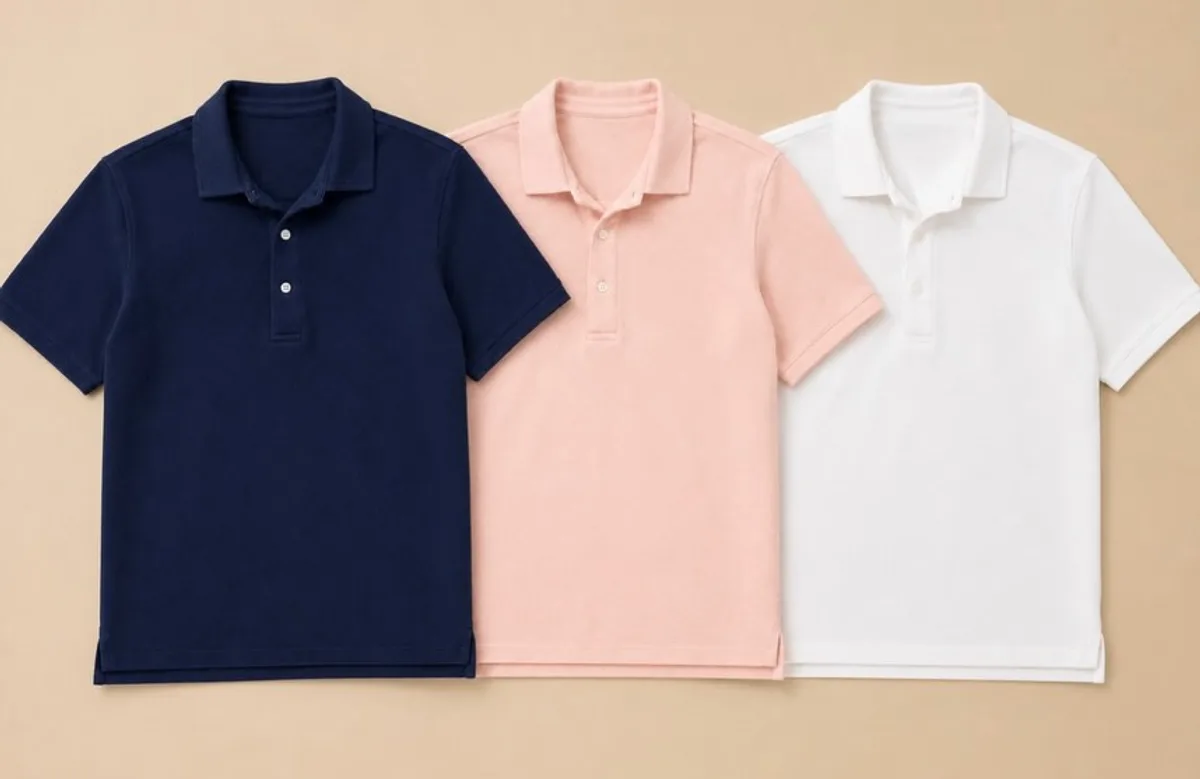

A green grass pro shop is a small door. Four sizes deep if you are lucky, a handful of units per style, one reorder if the thing actually moves, and a women's rack that has to hold everything from outerwear to a visor in the footprint of a card table. A brand can be in 150 of those and still be looking for volume. That is the structural math sitting underneath the announcement.
What Is Williams Athletic Club Showing at Coterie New York?
Williams Athletic Club will exhibit at Coterie New York from September 9 to 11 at the Javits Center, booth 5175, its first appearance at a fashion and lifestyle wholesale show. The Lake Oswego brand was founded in 2023 by Susi Proudman, whose résumé runs Nike, Lululemon and Aritzia, and it has built distribution across more than 150 golf and country clubs. It launched with Nordstrom in July. Coterie is the follow-on.
The sequencing is the interesting part. Nordstrom first, then the trade show, is the right order and not the common one. Boutique buyers at Coterie are risk-averse about brands with no consumer proof outside their home category, and a golf label walking in cold gets asked whether anyone who does not play has ever bought the product. Having a department store answer already on the sheet is worth more in that appointment than any amount of quiet luxury language.
How Does Boutique Wholesale Differ From Green Grass Distribution?
What changes on the other side of that booth is the operating model, not the marketing. Green grass runs on two buys a year, minimal markdown exposure, and a pro who reorders because he knows the member who wants it. Fashion wholesale runs on four to six deliveries, cancellation windows, return-to-vendor terms and a markdown culture that has killed better-funded brands than this one. Proudman came up at Lululemon and Aritzia, so none of that will be a surprise, but the working capital required to service both calendars at once is the reason most club-channel brands never make the jump.
There is also a positioning problem worth naming. In a pro shop, "quiet luxury and high-performance design" is a genuine differentiator, because the alternative on the rack is a logo the size of a coaster. At Coterie, every third booth says a version of the same thing, and the technical story that separates Williams Athletic Club from other golf apparel does not separate it from anything else. The traffic in this lane already runs both ways: Lululemon and Vuori have been taking club shelf space from the outside for years. Going the other direction means competing on their terms.
Why Does Name Recognition Matter for Williams Athletic Club?
The brand's visibility numbers do not flatter the story. It sits 178th of 215 on the DORMIED Index and slipped 12 percent month over month, which is roughly what you would expect from a business built on 150 buyer relationships and almost no consumer media. That was survivable while the club channel carried it. It is less survivable in boutique wholesale, where a buyer's first question after fit and margin is whether the customer already knows the name.
Watch the spring line. If the golf-specific construction survives contact with the boutique buyer and the club accounts get fed the same quality in season two, this is a category expansion by a founder who knows exactly how Lululemon stopped being a yoga company. If the technical detail quietly thins out to make the range work for a Nordstrom floor, it is an exit from golf dressed as a next chapter. Three years in, with the club relationships still the most valuable asset on the balance sheet, that is the call that decides what this brand actually is.